Cartagena vs Medellín: Which One Should You Visit?
Cartagena vs Medellín compared honestly by someone who did both: weather, safety, cost, nightlife, things to do, and which city fits which kind of trip.
What is it Like Being Asian in Colombia 🇨🇴
I did both cities back to back on the same Colombia trip, and they could hardly have treated me more differently: Cartagena earned a 9 out of 10, and Medellín is where I got drugged and robbed — and the comparison still isn't as one-sided as that sentence makes it sound. They're the two cities everyone shortlists for a first Colombia trip, they're a one-hour flight apart, and they're so unalike that picking between them is really picking what kind of trip you want.
The short answer
Short trip, first time, want the postcard: Cartagena. Longer trip, better value, a city to live in rather than look at: Medellín. Ten days or more: both, coast last or coast first, never coast in the middle.
That's the skeleton. The rest of this post is the flesh: weather, safety, money, the actual things you'll do, and the honest failure modes of each city.
The two cities at a glance
| Cartagena | Medellín | |
|---|---|---|
| Vibe | Caribbean colonial postcard | Modern valley city, eternal spring |
| Weather | 30-33°C, humid, year-round | 17-28°C, mild, two rainy seasons |
| Beach | Yes (Rosario Islands, Playa Blanca) | No — it's the Andes |
| Cost (backpacker/day) | $50-95 USD | $33-66 USD |
| Homicide rate (2024) | 37.4 per 100,000 | 11.04 per 100,000 |
| Tourist crime pattern | Vendors, overcharging, pickpockets | Drink spiking, dating-app robbery |
| Transport | Walking + taxis | Colombia's only metro + cable cars |
| Best stay length | 3-4 days | 4 days to a month |
| Signature day | Rosario Islands boat day | Comuna 13 + Metrocable |
Weather: Thailand heat vs eternal spring
Cartagena's climate reminded me of Thailand the second I stepped outside — the same wall of humidity, the same two-changes-of-clothes-a-day rhythm. Daytime sits at 30-33°C year-round, with December-April as the drier, slightly kinder window. You plan your days around shade and a mid-afternoon retreat, and the payoff is Caribbean water and golden-hour light on colonial walls.
Medellín is the opposite deal. The eternal-spring thing is real — 17-28°C every day of the year, no aircon needed, perfect café weather. The catch is rain: April-May and September-November bring near-daily afternoon downpours, and I picked my dates badly enough that it rained on me nearly every day. No beach, either; the closest Medellín gets to a water day is the lakes at Guatapé.
If you wilt in humidity, that's your answer already. If a swimmable sea is the point of the holiday, that's your answer too.
Safety: the honest version, from someone with a stake in it
Here's the counterintuitive part. Medellín's homicide rate (11.04 per 100,000 in 2024, its lowest in 82 years) is a third of Cartagena's (37.4). By the number most people reach for, Medellín is the safer city. And yet Medellín is where I got drugged, because the risk that actually applies to tourists there — drink spiking and dating-app robbery, targeted specifically at foreigners — doesn't show up in a homicide rate. The full breakdown of what happened and what I'd do differently is its own post, and I'd call it required reading before a Medellín nightlife trip.
Cartagena's tourist friction is constant but lower-stakes: vendor pressure that resets every fifty metres, gringo pricing, pickpockets in the crowds. Wearying, occasionally expensive, rarely dangerous. Standard travel habits cover it.
So the safety comparison isn't "which city is dangerous" — it's "which rules do you have to follow." Cartagena: normal ones. Medellín: normal ones plus watch-your-drink discipline that has to hold even four cocktails in.
Cost: Medellín wins, and it's not close
Medellín is cheaper at every tier — roughly $33-66 USD a day backpacking against Cartagena's $50-95, with the gap widening as you go up-market because Cartagena's Old Town hotels price for cruise passengers and long-weekend Americans. Medellín's metro makes transit nearly free; Cartagena is a walking-and-taxis city. Food follows the same pattern: a great Medellín lunch is $4 with soup, while Cartagena's Old Town patios charge resort prices for average plates (eat at street level there, always).
The one place Cartagena claws value back is that its headline experiences — the walled city, Getsemaní, the sunset walls — are free. You pay to sleep there, not to see it.
What you'll actually do in each
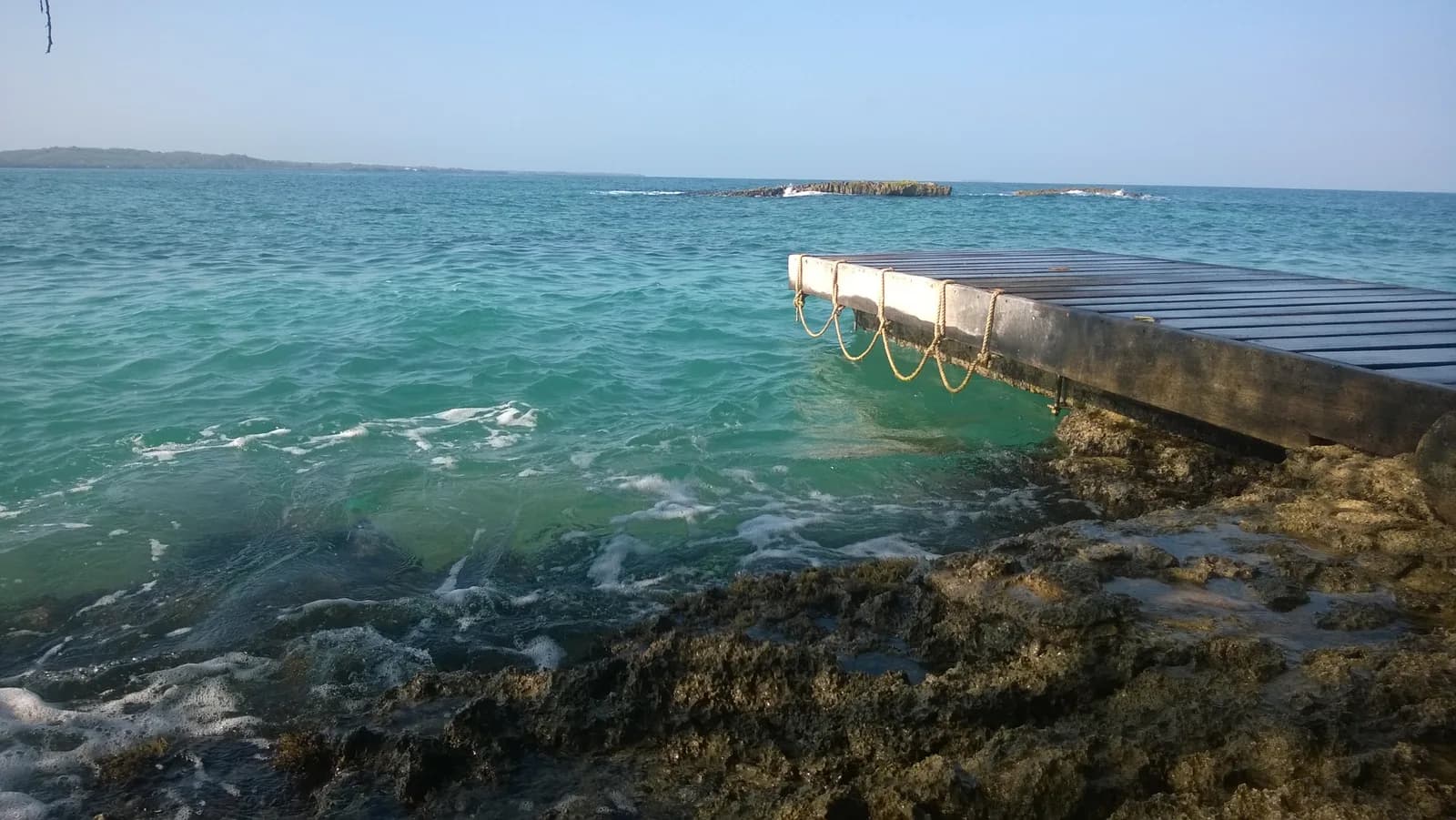
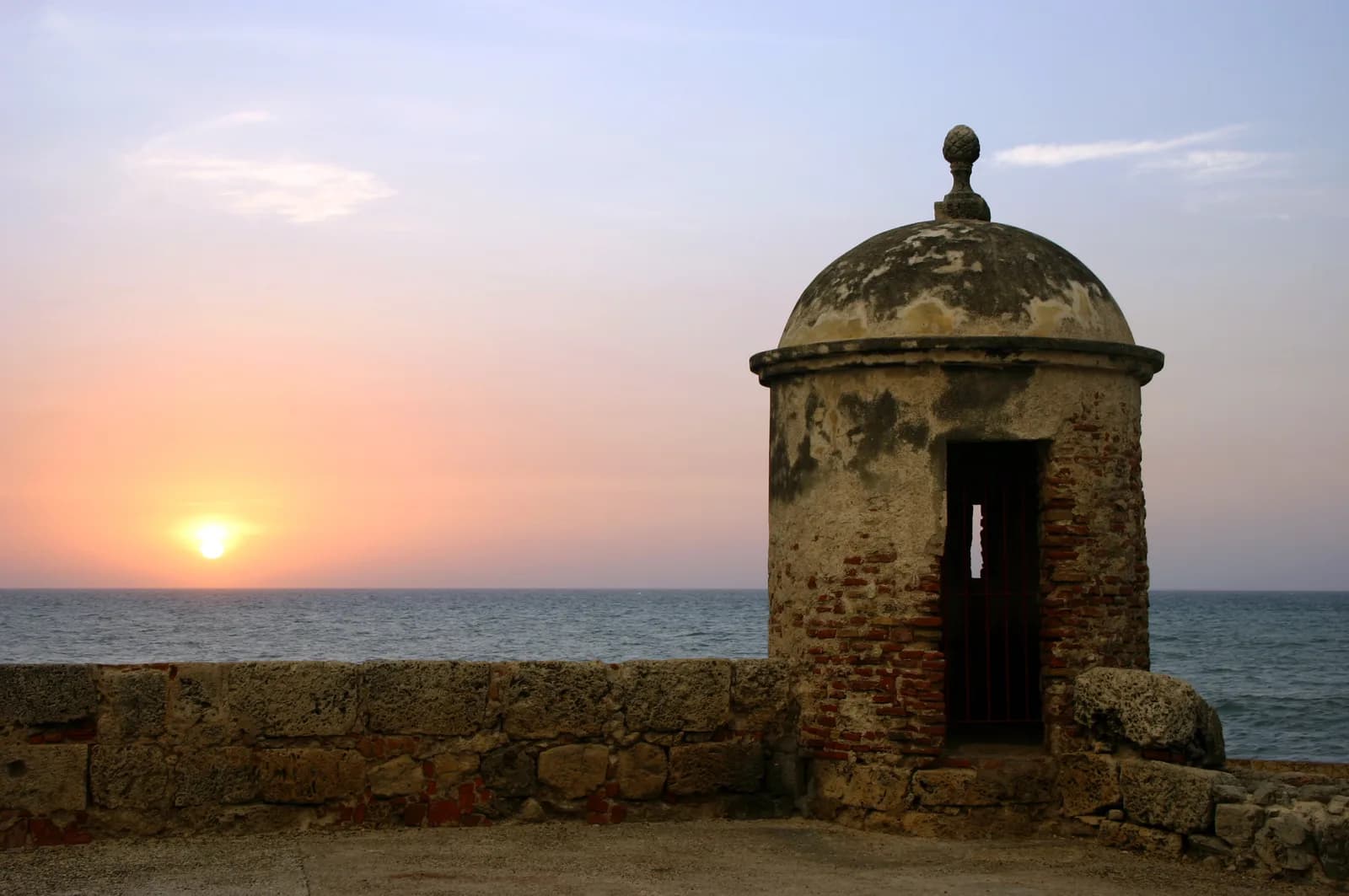
Cartagena is a place you wander: the Old Town and its walls, Getsemaní's street art and salsa bars, the fort at San Felipe, then boat days — Rosario Islands over Playa Blanca if you book one thing. Three or four days does it properly; after that you're repeating yourself, pleasantly.
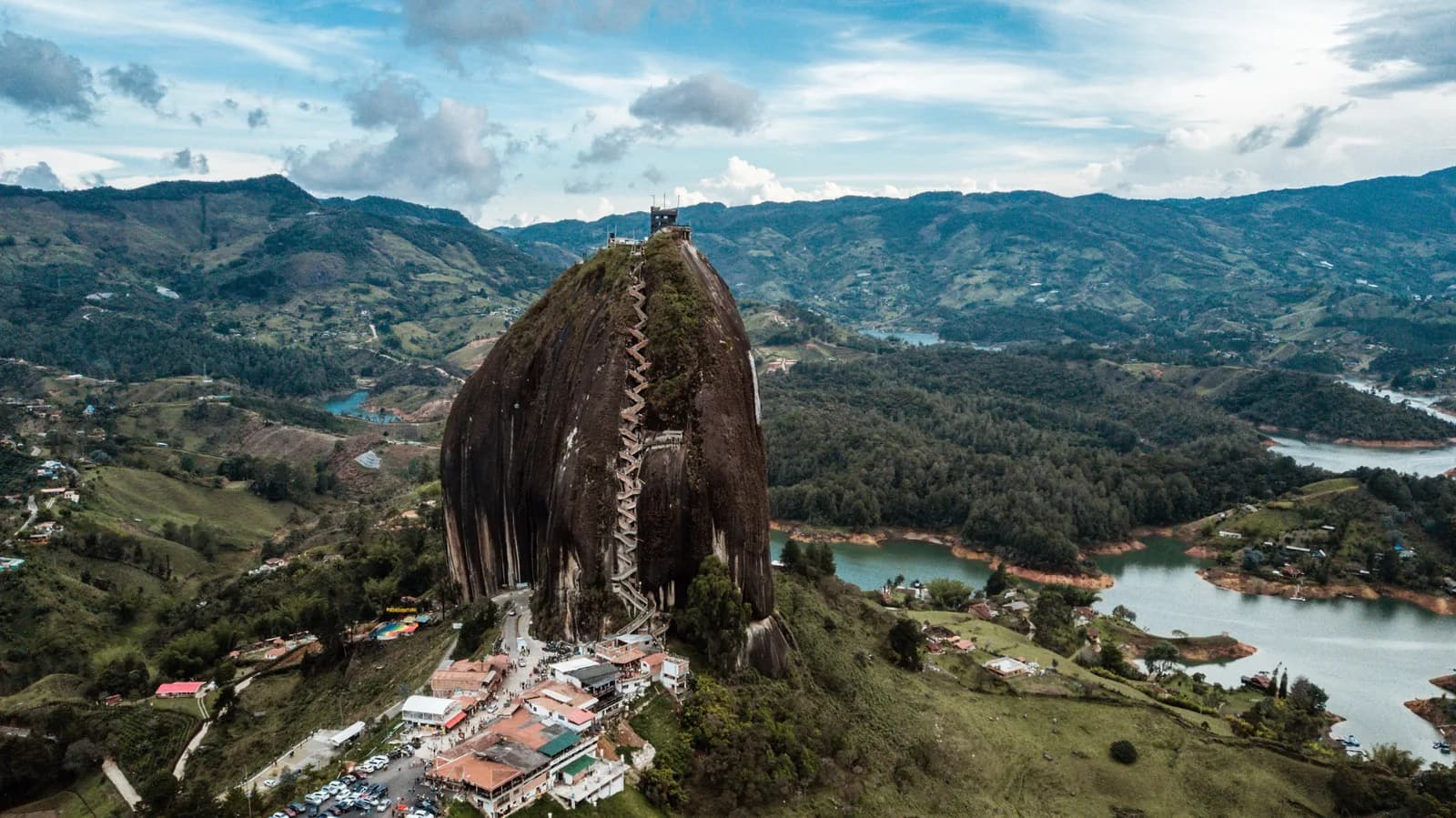
Medellín is a place you use: the Metrocable over the hillside barrios, Comuna 13 with a guide on a weekday morning, a full day at Guatapé climbing the Piedra del Peñol, paragliding off San Félix, football at the Atanasio, and a lot of very good unstructured café time. It rewards four days and keeps rewarding four weeks — it's the city travellers accidentally move to.
The things to do in Cartagena and things to do in Medellín guides rank everything in both, including what to skip.
Where you'd stay in each
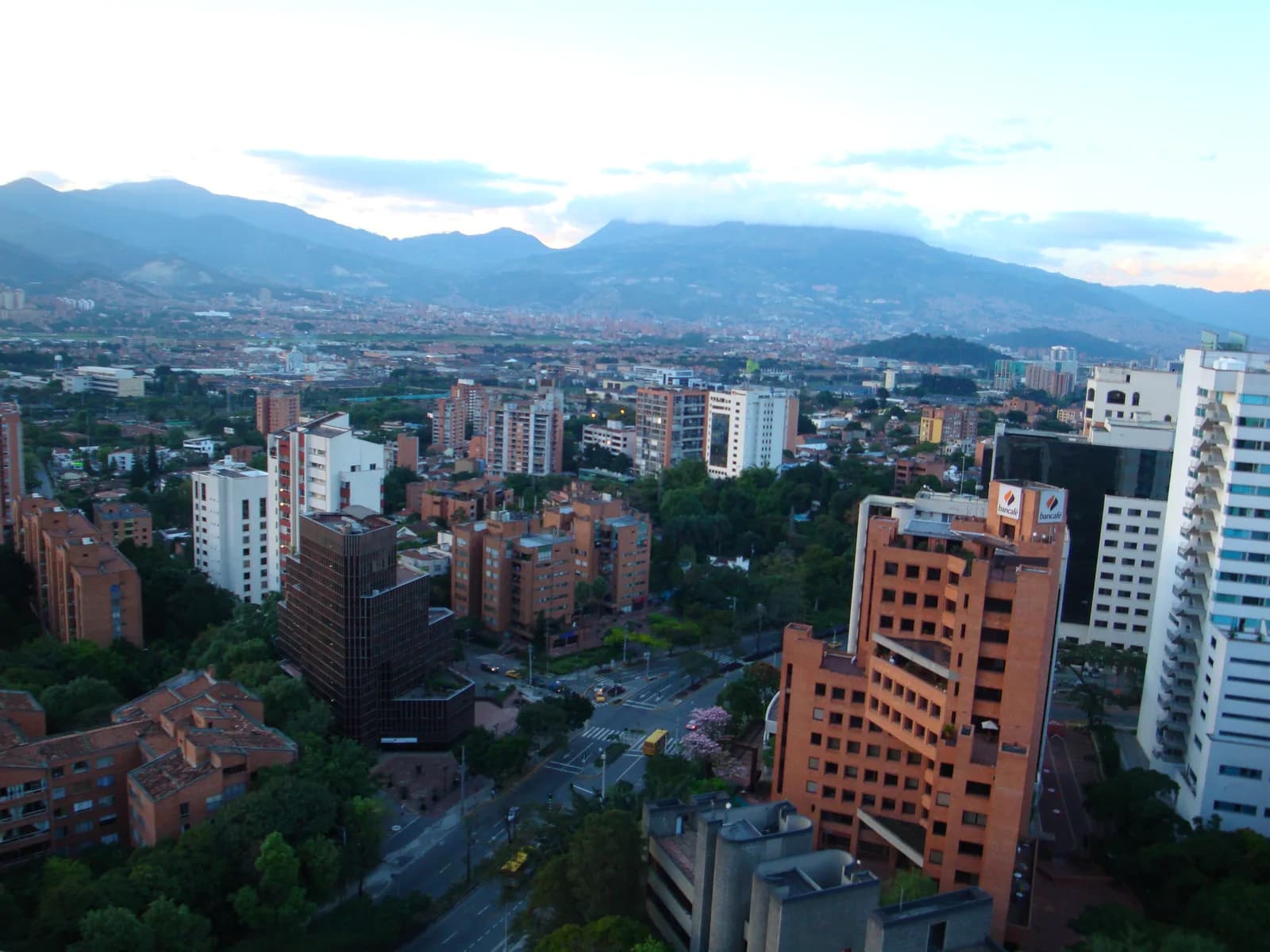
The zone logic differs completely. Cartagena is a small map where you're choosing distance from the postcard: the Old Town for the full colonial immersion at a premium, Getsemaní for budget and nightlife five minutes' walk away, Bocagrande for a modern beach high-rise. Medellín is a long valley where you're choosing a lifestyle: Laureles for the local-cool sweet spot, El Poblado for walk-to-everything tourist convenience (eyes open at night), Envigado for long-stay quiet.
Both have a full zone-by-zone comparison with live availability maps: where to stay in Cartagena and where to stay in Medellín.
Doing both (the actual best answer)
With 10-14 days, don't choose. Direct flights between the two run about an hour and are frequently cheaper than the 13-plus-hour mountain bus. The order rule I'd apply after doing it: keep the climates in blocks. Land in Cartagena, do the coast first while you're fresh for the heat, then finish in Medellín's mild valley — or run it the other way. If Bogotá's in the plan too, it slots naturally as the altitude bookend (the capital's guide is here); the full three-city feel comparison is in the being Asian in Colombia post, and my first day in Cartagena is what landing on the coast actually feels like.
Recommendations
- Under a week, first Colombia trip: Cartagena, 3-4 days, Old Town or Getsemaní.
- A week or more, or any remote-work component: Medellín, Laureles.
- Ten days plus: both, one flight, climates in blocks, coast at the start or the end.
- Beach non-negotiable: Cartagena. Heat intolerable: Medellín. That single axis settles most cases.
- Budget-led: Medellín stretches every dollar roughly a third further.
- Going out a lot in Medellín: read the safety post first. Order your own drinks, watch them poured, keep dating-app meets public.
- In Cartagena, eat at street level and take the vendor hustle as weather: constant, impersonal, survivable.
- February is the sweet spot for Cartagena; December-March and July-August are Medellín's dry windows. Both cities at once: aim for December-March.
Final note
If I could only send you to one, I'd ask a single question: is this trip for seeing something or for being somewhere? Cartagena is the thing you see — and it's genuinely worth seeing, my 9 out of 10 stands. Medellín is the place you'll be — cheaper, cooler, easier to live in, and the city I'd still go back to tomorrow despite it giving me my worst travel story. Most people fly home from Cartagena talking about Medellín. Book the flight between them and you won't have to choose.
Frequently asked
Cartagena or Medellín: which is better for a first trip to Colombia?
For a short first trip (under a week), Cartagena: it's the postcard, the Old Town is walkable, the tourist infrastructure is dense, and you get the full Caribbean-colonial hit in three or four days. For anything longer, or if you care more about living well than sightseeing, Medellín: better weather, better value, better transport, and a city you settle into rather than tick off. The genuinely best answer for 10+ days is both — they're a one-hour flight apart.
Is Cartagena or Medellín safer?
They're different risks, not different amounts. Medellín's homicide rate (11.04 per 100,000 in 2024, an 82-year low) is actually far below Cartagena's (37.4), but the tourist-targeted crime — drink spiking, dating-app robbery — is concentrated in Medellín, and it's the thing that got me. Cartagena's tourist problems are lower-stakes: relentless vendors, overcharging, pickpocketing around the Old Town. Standard precautions cover Cartagena; Medellín needs the specific drink-and-apps rules.
Is Cartagena or Medellín cheaper?
Medellín, clearly, at every tier. A comfortable backpacker day runs about $33-66 USD in Medellín against $50-95 in Cartagena, and mid-range accommodation gaps are wider still — Cartagena's Old Town hotels are priced for cruise passengers and US long-weekenders. Food, transit (the metro is nearly free) and activities all stretch further in Medellín.
What's the weather difference between Cartagena and Medellín?
Cartagena is hot, humid Caribbean heat year-round — 30-33°C days that feel like Bangkok, with a December-April dry season. Medellín is the 'eternal spring': 17-28°C all year, no beach, and two rainy seasons (April-May and September-November) with near-daily afternoon downpours. If you melt in humidity, Medellín. If you want heat and water, Cartagena.
Does Medellín have a beach?
No. Medellín sits in an Andean valley at about 1,500 m, five-plus hours from any coast. The water day out of Medellín is the Guatapé lakes; the real beaches are Cartagena's department — the Rosario Islands and Playa Blanca. If a swim in the sea is non-negotiable, that decides the comparison on its own.
Can you do Cartagena and Medellín in one trip?
Easily, and it's the best version of a 10-14 day Colombia trip. Direct flights take about an hour and are often cheaper than a long-distance bus, which takes 13+ hours through the mountains. Order matters for comfort: do the altitude/spring cities first and finish on the coast, or land in Cartagena and work inland — just avoid bouncing between climates mid-trip.
Which has better nightlife, Cartagena or Medellín?
Medellín for scale and variety — Parque Lleras and Provenza run deep, La 70 in Laureles is the more local strip, and the reggaeton pedigree is real (with the caveat that Lleras is also where tourist-targeted drink crime concentrates). Cartagena's nightlife is smaller but more atmospheric: salsa bars and rooftops in Getsemaní, Café Havana as the institution. Party trip: Medellín. Great-nights-out-on-holiday trip: Cartagena.