Where to Stay in Medellín: A Real Comparison of Every Zone
Where to stay in Medellín by traveller type: honest comparison of Laureles, Envigado, El Poblado, Estadio and El Centro, from someone who learned the safety trade-offs the hard way.
Medellín is the city where I got drugged and robbed, and it's also a city I'd go back to tomorrow. I've written the full story and the actual risk breakdown in the is Medellín safe post; this one is the question that follows from it, because in Medellín more than almost anywhere I've been, where you sleep is a safety decision, not just a comfort one. The drink that got me was handed over in a normal-looking venue in a normal-looking part of town. The zones where that's most likely to happen to a foreigner are precisely the zones most foreigners book.
So this is the zone-by-zone comparison I wish I'd read first: what each neighbourhood is actually like, what it costs, who it suits, and where the trade-offs really sit.
The short answer
If you only read one paragraph: stay in Laureles. It has the best risk-to-fun ratio in the city — leafy, flat, walkable, with its own nightlife on La 70 and a strong café scene — and it's the neighbourhood every recent safety guide points at first. If you want maximum tourist infrastructure and don't mind being in the fishbowl, El Poblado is the convenient pick. Staying a month? Envigado or Laureles. On a tight budget? An El Poblado hostel dorm, eyes open. And don't sleep in El Centro, full stop.
Why your zone choice in Medellín really matters
Three things shape this decision, and the second one is the one most guides undersell.
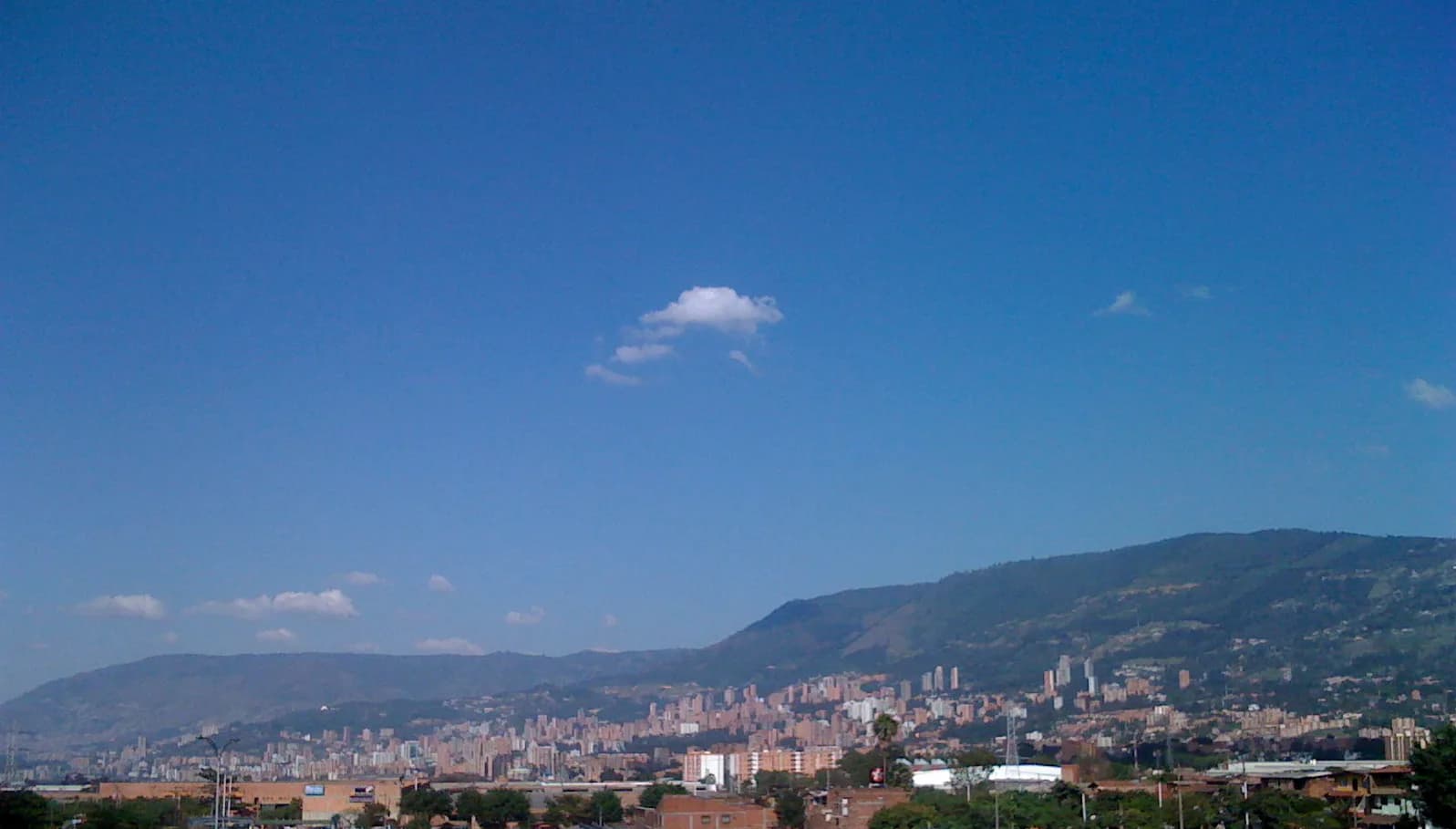
First, the geography. Medellín runs along a valley floor with its comfortable neighbourhoods strung north-south along the metro line. The tourist core (El Poblado), the local-cool zone (Laureles) and the quiet family zones (Envigado, Sabaneta) are each 15-30 minutes apart. You can't easily hop between them on foot, so your base sets your default scene.
Second, the crime pattern is targeted, not ambient. As I found out personally, the documented risks to foreigners here — drink spiking, dating-app robberies, phone snatching — cluster where foreigners cluster. That's Parque Lleras and Provenza in El Poblado more than anywhere else. Laureles and Envigado aren't magically safe, but the tourist-hunting economy is thinner there because the tourists are. The full safety breakdown covers the patterns; the short version is that your zone changes your odds.
Third, Medellín is a live-in city. The sights take two days; the reason people stay a month is the rhythm — the cafés, the weather, the metro, the food. That pushes the calculus toward neighbourhoods that are pleasant to exist in (Laureles, Envigado) over zones optimised for a 72-hour tour schedule.
The Medellín zones at a glance
| Zone | Vibe | Price tier (double/night) | Best for | Watch-outs |
|---|---|---|---|---|
| Laureles / Estadio | Leafy, local-cool, café-dense | $70-130 USD boutique, $35-70 private hostel room | First-timers, nomads, most people | Less English, fewer tours pick up here |
| El Poblado / Provenza | Tourist hub, hostels, nightlife | $100-180 boutique, dorms $16-19 | Short trips, backpackers, nightlife | Pickpockets, drink spiking, gringo prices |
| Envigado | Quiet, family, small-town feel | $60-120 | Month-plus stays, families | Metro ride to most nightlife |
| Sabaneta | Even quieter Envigado | $50-100 | Long stays on a budget | Furthest south, fewest tourist services |
| El Centro | Dense, historic, rough at night | Cheap | Nobody, honestly | Avoid after dark; don't sleep here |
Conversions are ballpark at roughly 4,000 COP to the dollar. Rates move; check the map below for live prices in your dates.
Where to stay in Medellín: your real options
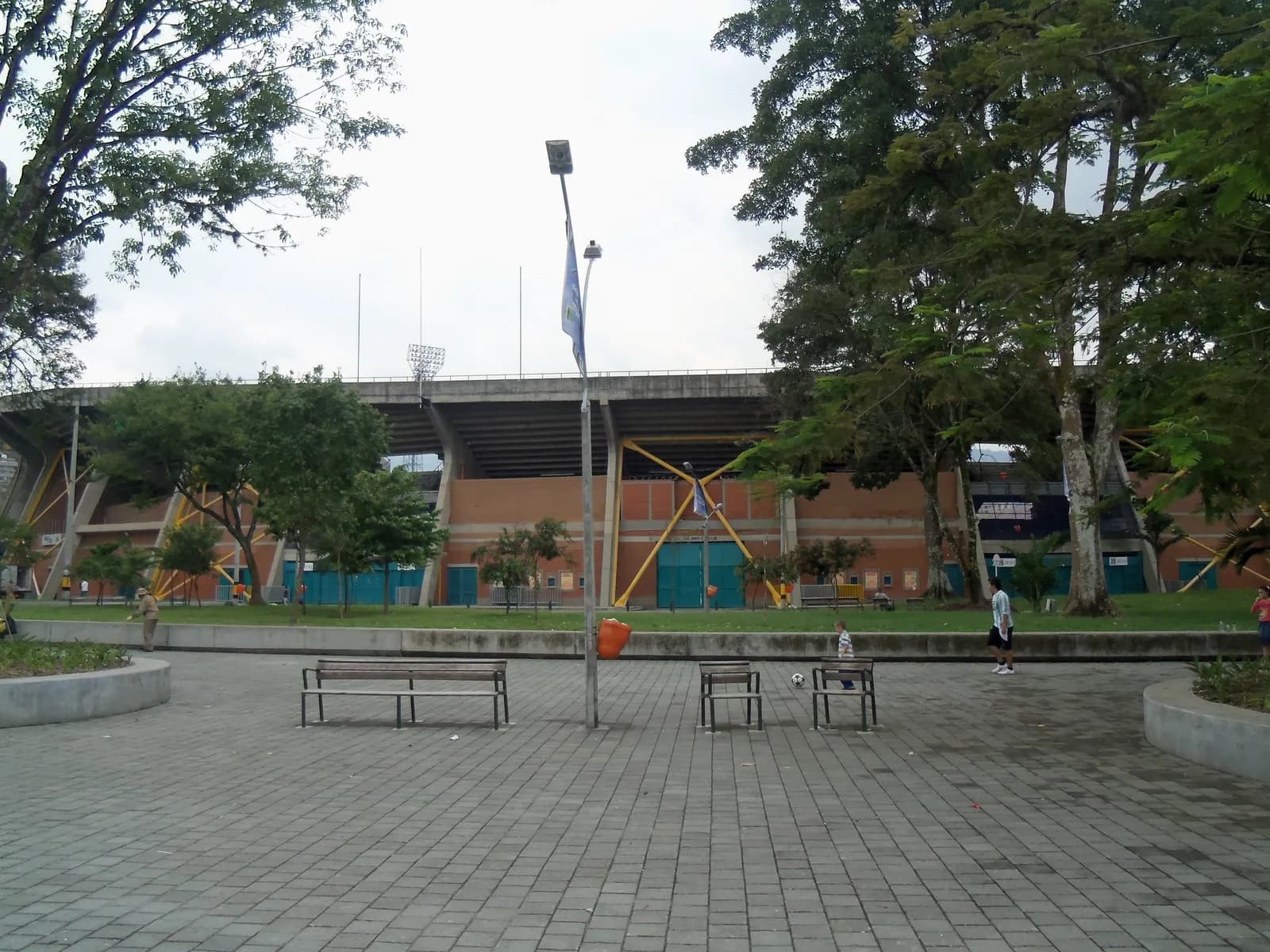
Laureles, stay here if you want the version of Medellín locals actually live in. It's flat where El Poblado is hilly, residential where El Poblado is commercial, and its grid of tree-lined streets holds the best café density in the city. La 70 covers your nightlife without a taxi, the Estadio metro station connects you to everything else, and Time Out put it on its world's-coolest-neighbourhoods list in 2023. Every recent safety guide I've read lands on Laureles first, and so do I. Trade-off: less English, fewer tour pickups, and the hostel scene is thinner than El Poblado's — this is more a boutique-and-apartment zone than a dorm zone.
El Poblado / Provenza, stay here if you want everything walkable and you accept the trade. This is where the hostels, restaurants, rooftop bars and tour companies concentrate, and it's also where pickpockets and drink-spikers go fishing, because the fish are here. Los Patios is the hostel that comes up in nearly every recent list (dorms around $17 USD, privates near $77, rated 9.5 on Hostelworld, rooftop pool, its own Spanish school), with Masaya (dorms around $19) close behind. On the hotel end, be aware Click Clack has a reputation among travellers as a working-girl hotel, which may or may not be what you want from a lobby. If you stay in El Poblado, the safety post's drink rules aren't optional reading.
Envigado, stay here if you're staying a month or you want family-town quiet. Technically its own municipality, practically the calm southern end of the city, with its own metro station, a proper local plaza culture, and a much lower crime profile — it's regularly described as one of the best-organised municipalities in the metro area, and several 2026 guides call it the safest base outright. Cheaper than both Laureles and El Poblado. Trade-off: you're committing to a metro ride or taxi for most nightlife and nearly all tours.
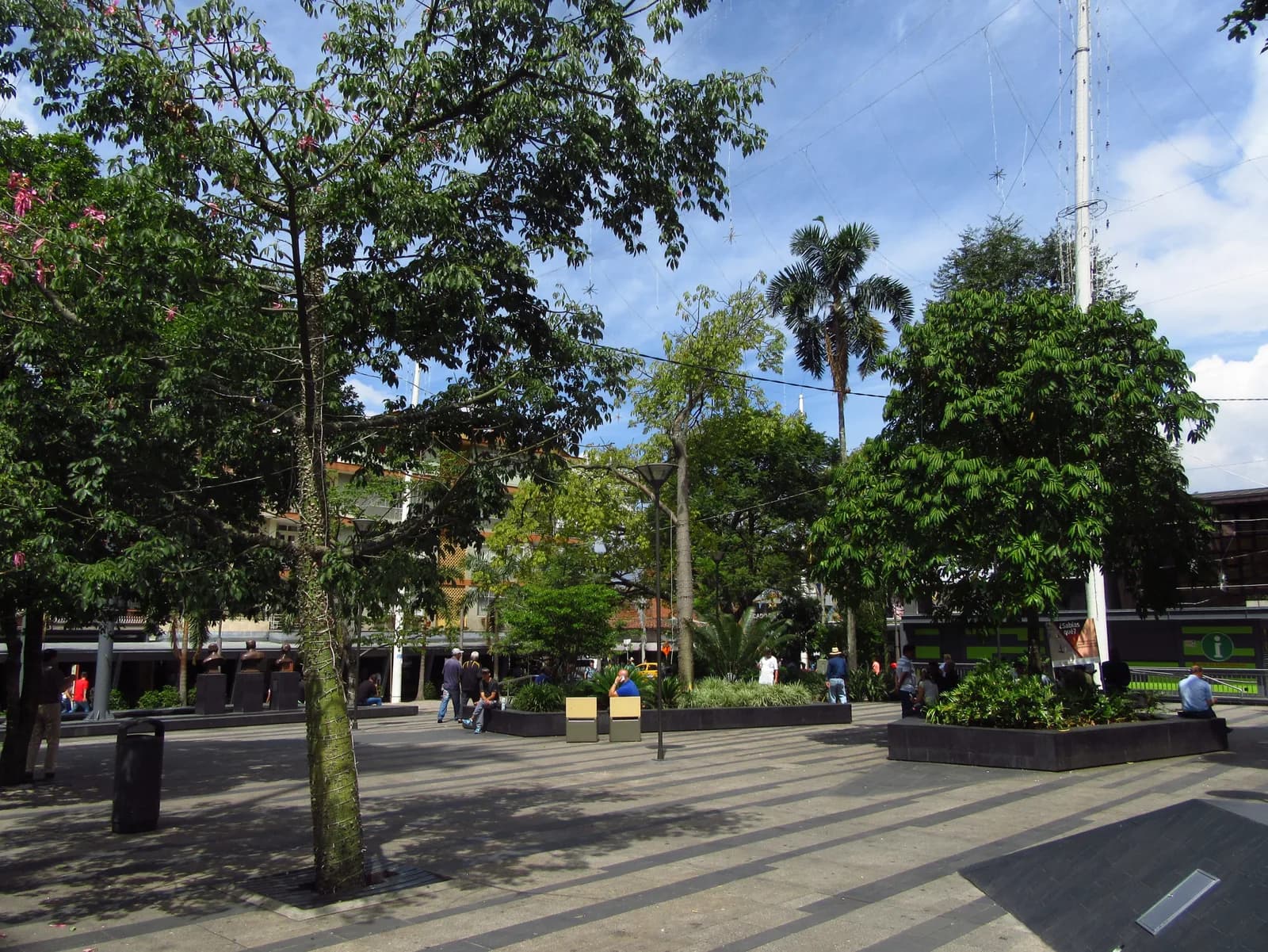
Sabaneta, stay here if Envigado sounds right but you want it smaller and cheaper again. One more stop south on the metro, a former village with a famous plaza, and the kind of place where a month's rent costs what a week can cost in El Poblado. Trade-off: you're a genuine commute from everything touristy, and English essentially disappears.
El Centro, don't. Cheap rooms exist near the centre and no recent guide recommends sleeping in them. Visit in daylight for Plaza Botero and the Museo de Antioquia with your phone in your pocket, then head back south before dark. The things to do in Medellín guide covers how to do the centre properly as a visit rather than a base.
Travel-style picks
- First-timer: Laureles. Safe-feeling, walkable, a real neighbourhood, still fun. The lowest-regret choice.
- Budget: El Poblado dorms at $16-19 (Los Patios, Masaya), or Hostel Metro in Floresta around $17 if you want a quieter solo base on the Laureles side.
- Comfort: El Poblado boutiques for walkability, or a Laureles boutique at $70-130 for the same quality with less noise.
- Nomad or month-plus: Laureles or Envigado. Better value, better wifi culture, far less tourist-targeting.
- Family: Envigado. Quiet, organised, local, with the metro when you need the city.
Getting there and when to go
Medellín has two airports and the distinction matters. International flights land at MDE (José María Córdova), which is up on the plateau in Rionegro, 45-60 minutes from the city depending on traffic. The official airport taxi runs roughly 100,000-120,000 COP (about $25-30 USD). Uber works and is the standard tourist recommendation in the city, but it can't collect from the arrivals curb, so you walk two to five minutes to the parking structure. Locals use InDrive, and I'd skip it for a jet-lagged arrival: a foreigner was charged 1.6 million COP (about $370, roughly 15 times normal) from the airport late at night in February 2026. The small in-city airport, EOH (Olaya Herrera), handles some domestic hops and is 15 minutes from most zones.
Once you're in, the metro is the single safest and cheapest way to move between the zones in this post — a flat 3,820 COP with a Cívica card (about 4,400 on an occasional card), Metrocable transfers included. It's Colombia's only metro, it's spotless, and locals are quietly proud of it. Ride it at least once even if you Uber everywhere else.
On timing: the eternal-spring thing is true (17-28°C year-round) but the rain is not evenly spread, and I picked wrong — it rained on me nearly every day. Rainy seasons are April-May and September-November, with October and November the wettest. December-March and July-August are the dry windows. The Feria de las Flores (1-10 August in 2026) is the city's biggest festival: brilliant if you're here for it, but book your room well ahead and expect event pricing.
Budget breakdown (per day, USD)
| Item | Backpacker | Mid-range | Comfort |
|---|---|---|---|
| Accommodation | $16-25 (El Poblado dorm) | $50-120 (Laureles boutique) | $180-350 |
| Meals (3/day) | $10-20 | $30-55 | $75-150 |
| Transit (metro / Uber) | $2-6 | $8-18 | $25-45 |
| Activities | $5-15 | $25-50 | $60-160 |
| Daily total | $33-66 | $113-243 | $340-705 |
Medellín is cheaper than Cartagena across every tier, and Laureles and Envigado are cheaper than El Poblado for equivalent quality — the "gringo pricing" premium in Poblado restaurants and rooms is real and widely reported.
Recommendations
What I'd tell a mate booking Medellín accommodation:
- Book Laureles if you're unsure. It's the best risk-to-fun ratio in the city and the pick I'd make again.
- If you book El Poblado, read the drink and dating-app rules first. That zone is where the targeting concentrates, and it's where it got me.
- Don't sleep in El Centro no matter how cheap the room looks. Daylight visits only.
- Pick a place near a metro station. The metro is the safest transport in the city and a flat fare regardless of distance.
- Staying over two weeks? Look at Envigado or Sabaneta and pay month-stay rates, not nightly rates.
- Arriving at MDE, use the official taxi queue or walk to the Uber pickup. Skip InDrive at night.
- Aim for the December-March or July-August dry windows; I had rain nearly every day outside them.
- Booking around 1-10 August? That's Feria de las Flores. Book early or aim elsewhere in the calendar.
- Ground-floor rooms facing busy streets are the noise trap in Laureles and Provenza both; ask for an interior or upper room.
Final note
Medellín's accommodation question is really a question about what kind of trip you're having. A 72-hour tour-heavy visit points at El Poblado and its conveniences, eyes open. Anything slower points at Laureles, and anything longer points south to Envigado. The city rewards the slower version — it's the best city in Colombia to simply exist in, which is exactly why so many people's three days become a month.
The things to do in Medellín guide covers what to actually do from whichever base you pick, the is Medellín safe post is the required reading I wish I'd taken more seriously, and if you're still choosing between here and the coast, Cartagena vs Medellín makes the call. Routing wider through Colombia: the where to stay in Bogotá and where to stay in Cartagena guides are the parallels for the capital and the coast, being Asian in Colombia covers the city-by-city experience, and my first day in Cartagena is where the whole Colombia leg started.
Frequently asked
What's the best area to stay in Medellín for first-timers?
Laureles. It's leafy, flat, walkable, has its own nightlife strip on La 70, and sees noticeably less petty theft and tourist-targeting than El Poblado. Time Out named it one of the world's coolest neighbourhoods in 2023, and it's the zone recent safety guides point at first. El Poblado has more tourist infrastructure and more English, but it's also where pickpockets and drink-spikers concentrate, because that's where the tourists are.
Is El Poblado safe to stay in?
Broadly yes, with the caveat that it's the most targeted zone in the city precisely because it has the most foreigners. Violent crime is rare; pickpocketing, phone snatching and drink spiking are the real risks, mostly around Parque Lleras and Provenza at night. If you stay there, treat your drink like your passport and keep your phone off the street. The zone itself is walkable, green and full of hostels, cafés and restaurants.
Laureles or El Poblado: which should I pick?
Laureles if you want the better risk-to-fun ratio, local prices and a real neighbourhood; El Poblado if you want maximum walkability to hostels, restaurants and nightlife and you accept being in the tourist fishbowl. Price is a genuine factor too: a boutique room in Laureles runs roughly $70-130 USD against $100-180 for the El Poblado equivalent. First trip, short stay, lots of tours: El Poblado is convenient. Anything longer: Laureles.
Where should I stay in Medellín for a month or longer?
Laureles or Envigado. Laureles has the café and coworking culture plus La 70 for nights out. Envigado is quieter, cheaper, family-oriented, has its own metro station, and is often described as one of the best-organised municipalities in the metro area — several recent guides call it the safest base in the city. Sabaneta, one stop further south, is the same idea with even fewer tourists.
Where should you NOT stay in Medellín?
El Centro. Cheap rooms exist around the centre and no recent guide recommends taking them. It's fine to visit in daylight for Plaza Botero and the Museo de Antioquia with your phone put away, but after dark the police presence evaporates and it's repeatedly described as the most desolate part of the city. Aranjuez, Manrique and anywhere north of Avenida 33 are also not tourist zones.
How do you get from Medellín airport to El Poblado or Laureles?
MDE (José María Córdova) sits up in Rionegro, about 45 minutes to an hour from the city. The official airport taxi runs roughly 100,000-120,000 COP (about $25-30 USD). Uber works but can't collect from the arrivals curb, so you walk 2-5 minutes to the parking structure. Skip InDrive for a jet-lagged arrival: there's a documented February 2026 case of a foreigner charged about 15 times the normal fare from the airport at night.
How many nights do you need in Medellín?
Three or four as a tourist: one for Comuna 13 and the Metrocable, one for a Guatapé day trip, one for the food and the neighbourhoods themselves. But Medellín is more a live-in city than a sight-list city, which is why so many people come for three days and stay a month. If that's remotely your style, book somewhere you'd be happy living, not just sleeping.