Things to Do in Medellín: What's Worth Booking and What to Skip
The best things to do in Medellín: Comuna 13, the Metrocable, a Guatapé day trip, paragliding, football at the Atanasio, and what to DIY instead of booking.
Medellín is the city that gave me my worst travel story and it's still the Colombian city I'd send people to first. I've covered the getting-drugged part and what it taught me in the is Medellín safe post; this one is the good list — what's actually worth your time and money in the city, what recent travellers consistently rate, and what you can do yourself for the price of a metro fare instead of booking.
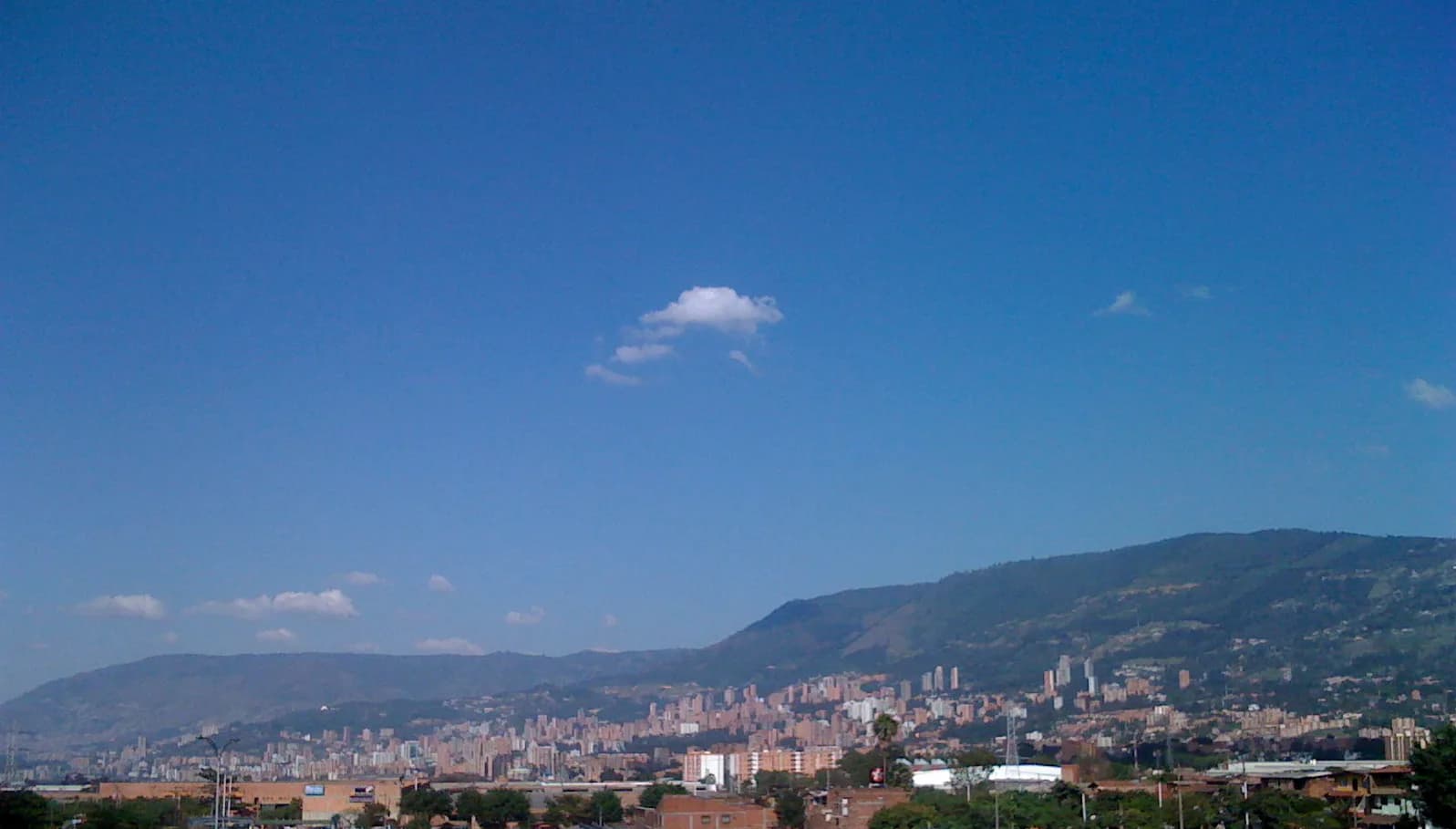
One framing note up front: Medellín's sights are good, not world-beating. What's world-beating is the city itself — the valley, the weather, the metro, the food, the way the neighbourhoods each run at their own speed. So this list mixes bookable activities with the free civic stuff, because the free civic stuff is half the point.
The two things everyone books, ranked honestly
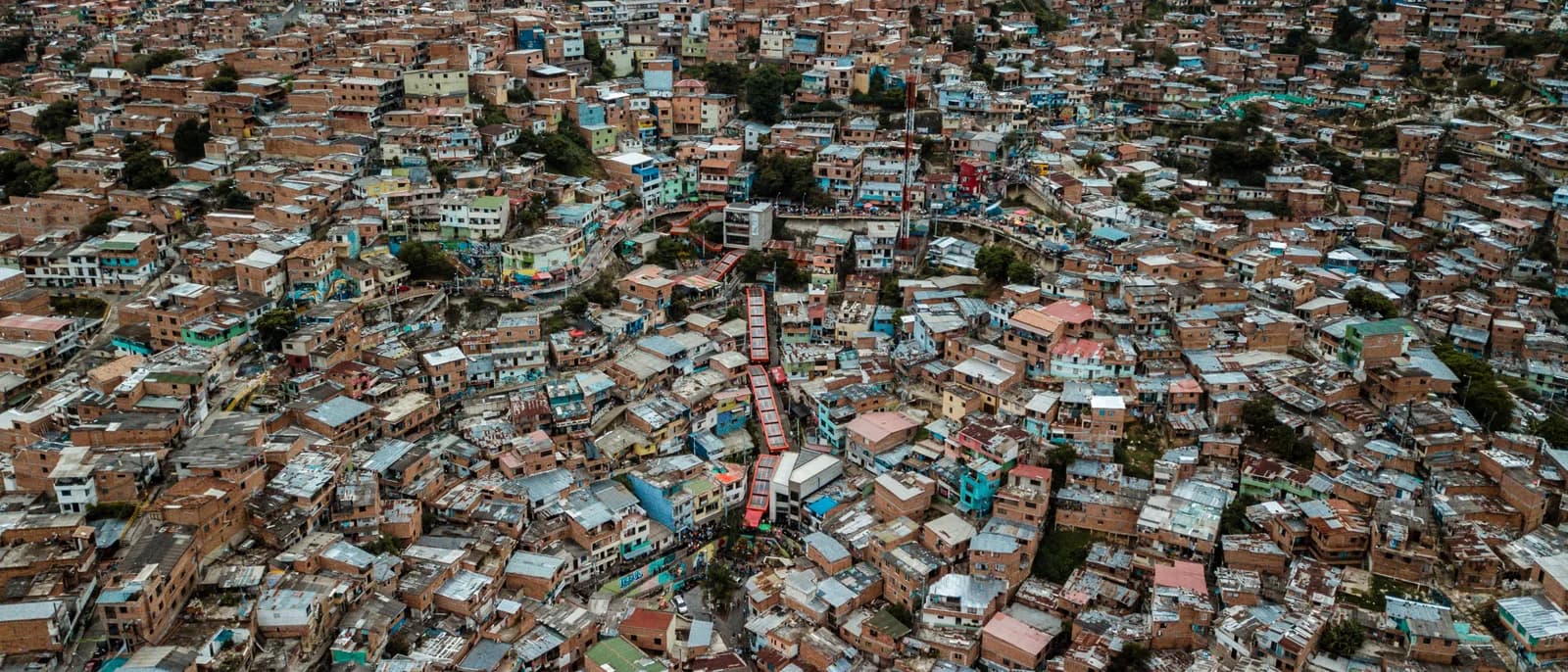
Comuna 13 graffiti tour is the signature Medellín experience and it earns the status. The hillside barrio that was once the most dangerous part of the city is now its biggest attraction: outdoor escalators, murals layered over murals, hip-hop crews performing on the platforms, and a story of transformation that the local guides tell better than any plaque because they lived it. That story is why I'd book the guided version rather than just wandering the escalators solo. Two practical rules from my visit and every recent report since: go on a weekday morning (weekend crowds are crushing, and crowds are where phones vanish) and leave before dark, when the tourist volume and the police presence thin out together.
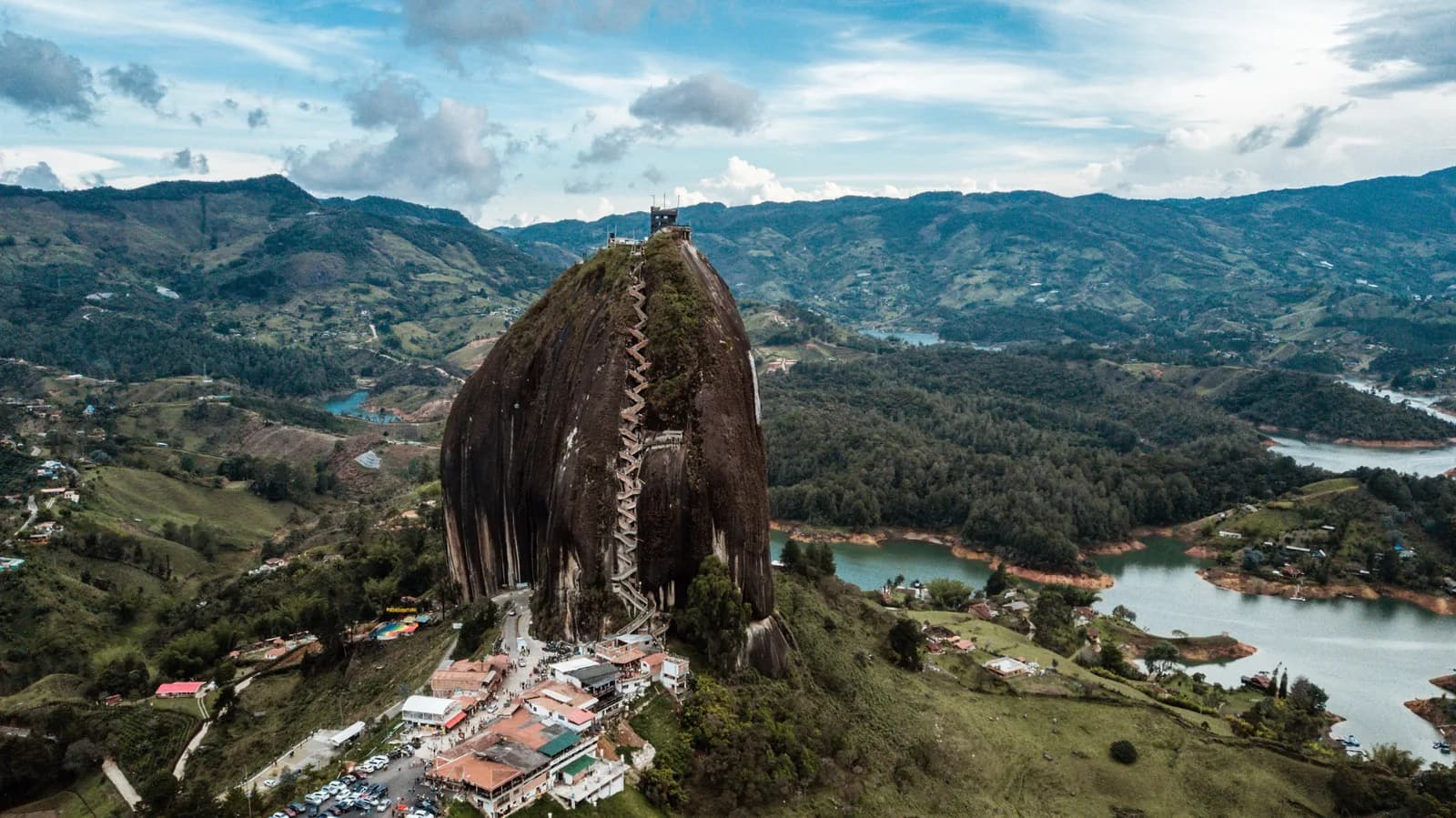
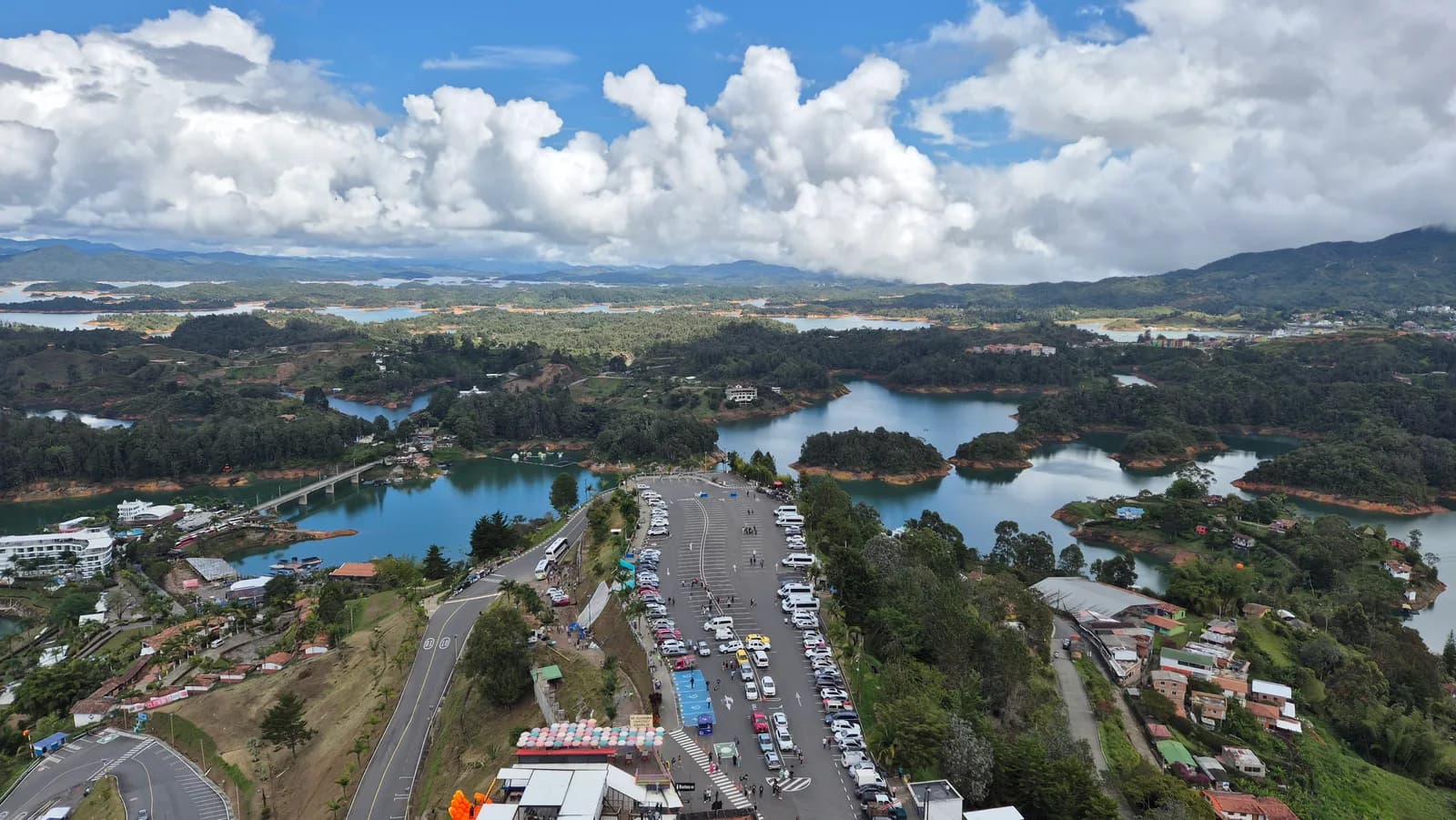
Guatapé and El Peñol is the most-booked day trip out of the city, about two hours each way. You climb the 740-odd zig-zag steps up the Piedra del Peñol, a 200-metre granite monolith, for a view over a flooded landscape of lakes and green islands that doesn't look real from the top. Then Guatapé town itself: every building painted in colour panels (zócalos), lakefront restaurants, an easy afternoon. Tours bundle transport, a boat ride and lunch; the DIY version is a bus from Terminal del Norte for a fraction of the price if you'd rather set your own clock. Either way it's a full day — don't try to squeeze it into an arrival or departure day. The bus-versus-tour logistics, the rock ticket and the timing are all in my Guatapé day trip guide.
The best free-to-cheap things in the city
- Ride the Metrocable. The cable cars are part of the actual metro network, not a tourist ride, and one flat fare (3,820 COP with a Cívica card, about 4,400 without, transfers included) buys you the best view in Medellín. Line K from Acevedo up to Santo Domingo is the classic. This is the single best-value activity in the city and it doubles as the safest way to move around.
- Parque Arví, at the top of Metrocable Line L: a genuine forest escape on the plateau above the valley, with walking trails and a weekend market. Check locally that Line L is running before you commit the morning.
- Plaza Botero and the Museo de Antioquia, in El Centro. Twenty-three of Botero's fat bronzes in the open air, and the museum behind them holds the paintings. Daylight only, phone in your pocket — the safety post explains the El Centro rules.
- Jardín Botánico, free, next to the Universidad metro station, with iguanas in the trees and a good weekend crowd of local families. Pairs naturally with the adjacent Parque Explora end of town.
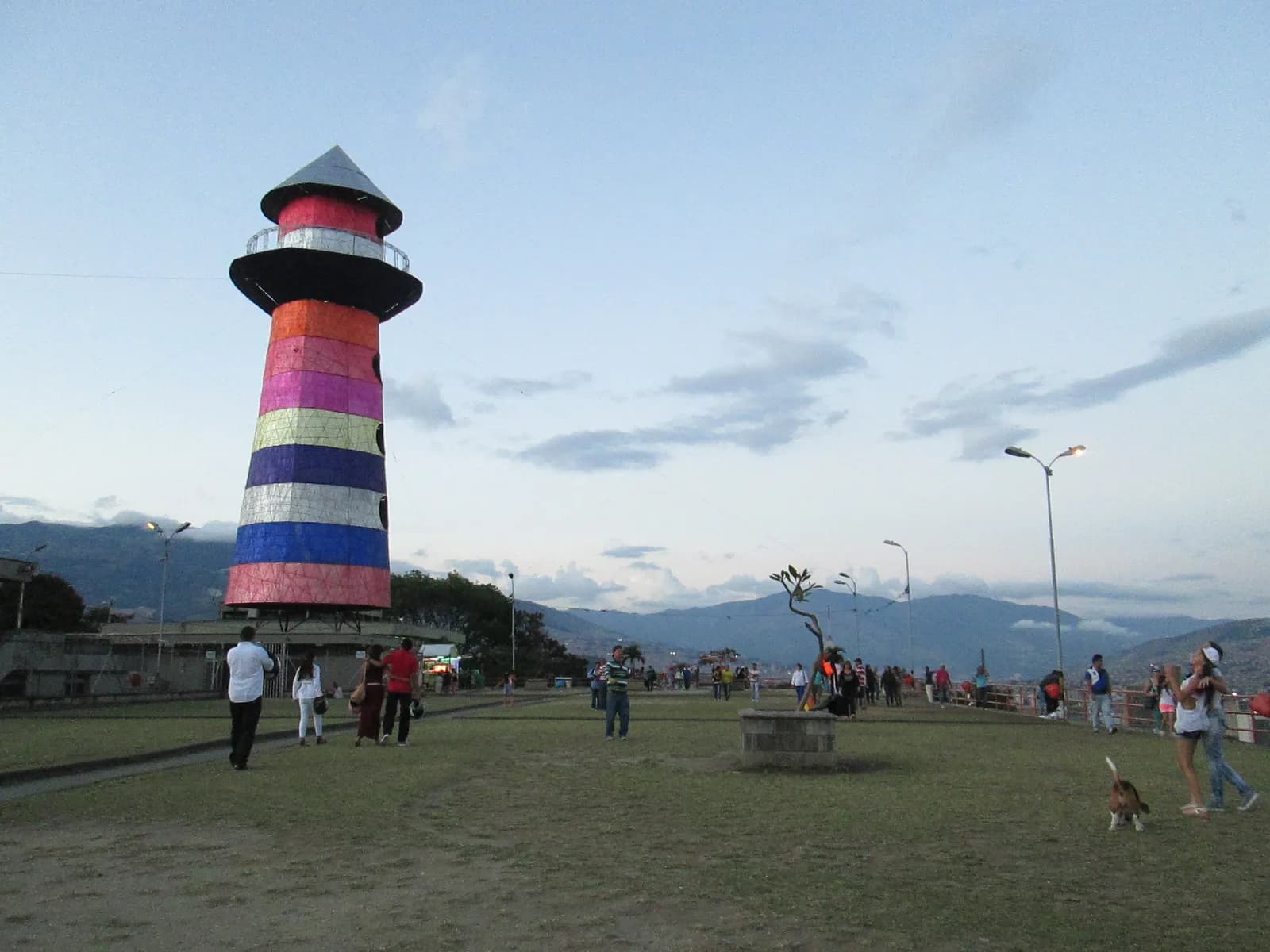
- Pueblito Paisa, the replica Antioquian village on top of Cerro Nutibara. The village itself is a photo stop; the 360-degree view over the valley is the reason to go up.
- Football at the Atanasio Girardot. If Atlético Nacional or DIM are playing at home while you're in town, go. The stadium sits right on the metro by Estadio station (Laureles side) and the atmosphere is the loudest cultural experience in the city. Buy official tickets, skip the touts, and wear neutral colours if you don't want to pick a side.
Worth booking if it's your thing
- Paragliding at San Félix, tandem flights off the ridge above the valley, roughly $60-100 USD with transport. One of the most popular launches in South America and consistently rated a trip highlight in recent reports. Mornings are more reliable for weather; rainy-season afternoons get cancelled a lot.
- A Medellín food tour, the efficient way to meet bandeja paisa, arepas, buñuelos and the fruit you've never heard of without wandering into the wrong block to find them. Also the best structured way to eat in El Centro safely.
- A coffee farm day trip, out toward Jardín or the fincas above the valley. You're in the actual coffee axis here, and the farm tours (picking, processing, tasting) are the real version of what the tourist cafés gesture at. Full day.
- A city tour that includes the Metrocable and Comuna 13 if you're short on time — it stacks the two best halves of the city into one day and handles the logistics.
What to skip, and what to be careful with
Skip the Pablo Escobar tours. I'm not neutral here: the city is visibly tired of the narco-tourism economy, locals will tell you as much, and the Comuna 13 tour covers the same history from the perspective of the people who survived it rather than the man who caused it. If you want the era's context, the Museo Casa de la Memoria does it seriously and free.
Be careful with Parque Lleras and Provenza at night. They're the nightlife, and they're also where the documented tourist-targeting concentrates — drink spiking and dating-app robbery patterns are real enough that the US Embassy has issued specific alerts. Go out, have the night, and treat your drink like your passport. The full safety rules are required reading before a big night here, and they're the reason this post exists at all.
Time Guatapé and paragliding around the rain. April-May and September-November bring near-daily afternoon downpours. I got rained on nearly every day, and the view from the Piedra del Peñol in cloud is a grey wall.
A realistic 3-4 day shape
- Day one: Metrocable Line K in the morning, Plaza Botero and the Museo de Antioquia around midday, back south for the afternoon, easy night in Laureles or wherever you're based.
- Day two: Comuna 13 on a weekday morning with a guide, Jardín Botánico or Pueblito Paisa in the afternoon.
- Day three: Guatapé and El Peñol, the full day.
- Day four (if you have it): paragliding or a coffee farm in the morning, food tour or a football match at night.
Budget notes (per day, USD)
| Item | Backpacker | Mid-range |
|---|---|---|
| Activities | $5-15 (metro, free sights) | $25-60 (one booked tour) |
| Guatapé day | $15-25 DIY by bus | $50-80 on a tour |
| Food | $10-20 | $30-55 |
| Transit | $2-6 (metro) | $8-18 (Uber mix) |
The full accommodation and daily-cost breakdown lives in the where to stay in Medellín guide — the short version is that Medellín is cheaper than Cartagena at every tier, and the metro keeps transit costs close to zero.
Recommendations
What I'd tell a mate planning their Medellín days:
- Do Comuna 13 on a weekday morning with a local guide. The story is the product; the murals are the packaging.
- Ride the Metrocable even if you're Ubering everywhere else. Best-value view in the city, flat fare, and it's real transport.
- Give Guatapé a full day and a dry-window day if you can. The view is the point and clouds erase it.
- El Centro in daylight only, phone away, and pair it with the Museo de Antioquia so the visit has a spine.
- Book paragliding for the morning, not the afternoon, and expect a weather reschedule in the rainy months.
- Skip the Escobar tours; do the Museo Casa de la Memoria or the Comuna 13 version of the history instead.
- If there's a home match at the Atanasio while you're in town, go. Loudest two hours in Medellín.
- Nights out in Lleras and Provenza: order your own drinks, watch them poured, never leave one on a table. The safety post has the full version, learned the hard way.
Final note
Medellín's activity list is good, but the city's real trick is that ordinary days here are better than highlight days most places. The metro works, the weather holds, lunch costs $4 and comes with soup, and every neighbourhood runs at its own speed. Do the big two — Comuna 13 and Guatapé — ride the cable cars, eat well, and let the rest of the time be unstructured. That's the version of Medellín people fall for.
If you're still picking a base, the where to stay in Medellín comparison covers the zones, and the is Medellín safe post covers the rules that let you enjoy all of the above with your stuff still in your pockets. Routing wider: things to do in Bogotá and things to do in Cartagena are the parallels for the capital and the coast, being Asian in Colombia covers the city-by-city experience, and the is Cartagena worth it review settles the coast question.
Frequently asked
Do you need a guided tour for Comuna 13?
You can walk the graffiti escalators free on your own, but this is the one place in Medellín where the guided version genuinely earns its price. The murals are the surface; the story of how the most dangerous comuna in the city turned into its biggest attraction is the actual content, and the local guides lived it. Go on a weekday morning — weekends are extremely crowded and that's when phones get lifted — and leave before dark.
Is the Guatapé day trip worth it from Medellín?
Yes, and it's the most-booked day trip out of the city for a reason. You climb the 740-odd steps of the Piedra del Peñol for a view over a drowned landscape of lakes and islands, then wander Guatapé's absurdly colourful streets. It's around two hours each way, so it eats a full day. Book a tour for the transport convenience or DIY it by bus from the Terminal del Norte for a fraction of the price.
How many days do you need in Medellín?
Three or four covers the tourist version: Comuna 13 and the Metrocable one day, Guatapé another, the neighbourhoods and food on the third. But Medellín is a live-in city more than a checklist city — the sights are decent, the rhythm is the actual attraction, which is why so many three-day visitors end up staying a month.
Is the Medellín Metrocable a tourist attraction or real transport?
Real public transport that happens to have the best view in the city. The cable cars are integrated into the metro network — one flat fare (3,820 COP with a Cívica card, transfers included) covers train and cable. Line K up to Santo Domingo is the classic ride, and Line L continues to Parque Arví when it's running. It's the best-value 'activity' in Medellín by a wide margin.
Is El Centro safe for sightseeing?
In daylight, with your phone in your pocket, yes — and Plaza Botero plus the Museo de Antioquia are worth the hour. After dark, no: the police presence evaporates and it's repeatedly described as the most desolate part of the city. Do the centre as a daytime visit from a base in Laureles or El Poblado, not as a place to linger into the evening.
Is paragliding in Medellín safe and worth it?
The San Félix launch above the valley is one of the most popular paragliding spots in South America, flights are tandem with licensed pilots, and recent travellers consistently rate it a highlight. It's weather-dependent — mornings are more reliable, and the April-May and September-November rainy months see more cancellations. Around $60-100 USD including transport depending on the operator and flight length.
When is the best time to visit Medellín?
December-March or July-August, the dry windows. The eternal-spring temperature (17-28°C) holds year-round, but April-May and September-November bring near-daily afternoon downpours — I got rained on nearly every day of my visit. The Feria de las Flores (1-10 August in 2026) is the city at its best and busiest; book accommodation well ahead if you're aiming for it.