Asians in Colombia: My Honest Experience in 3 Cities
Kids asked for a selfie within 4 hours of landing. What being Asian in Colombia is really like: the 'chino' thing, which city is easiest, and what never happened.
What is it Like Being Asian in Colombia 🇨🇴
Two weeks in Bogotá and nobody said a word about my face. Four hours into Cartagena, a group of kids ran across a plaza to take a photo with me. Same country, same passport, same me. The difference was about 1,000 km and a completely different idea of how unusual an East Asian person is.
That gap is the actual answer to "what is it like being Asian in Colombia," and most posts miss it because they treat Colombia as one place. It isn't. I'm a Kiwi, East Asian, and I did the standard route: Bogotá, then Medellín, then Cartagena. The experience of being visibly Asian changed more between those three cities than it did between Colombia and anywhere else I've travelled in Latin America.
The short answer
Colombia is about 0.4% Asian. That's roughly 200,000 people out of 52 million, according to 2023 Latinobarómetro data, and the Chinese community specifically sits somewhere around 20,000-25,000. For comparison, Auckland is about 28% Asian. So the baseline is this: outside a handful of neighbourhoods, you are the first East Asian person some people have seen that week, and occasionally the first they've seen at all.
What that translates to on the ground is curiosity, not hostility. In a dozen recent traveller accounts I can find from Asian visitors to Colombia, the recurring words are "friendly," "curious," and "nobody bothered me." A Korean-American traveller who did Bogotá, Cartagena, Tayrona and Medellín over two weeks in December 2024 reported not seeing a single other Asian tourist the entire trip, and had zero incidents. That matches mine.
The one thing that genuinely varies is volume. How often does your face become a topic? In Bogotá and Medellín: rarely. In Cartagena's Old Town: constantly.
"Chino" is not what you think it is
You will be called chino. Or china, if you're a woman. It'll happen in every city, and it will happen regardless of whether you're Chinese.
In Colombian usage, chino is the blanket term for anyone who reads as East or Southeast Asian. Korean, Japanese, Vietnamese, Filipino, doesn't matter. It's the same linguistic shortcut that produces arroz chino (fried rice) on menus across the country, in restaurants that a Chinese-Canadian blogger in Medellín noted are staffed roughly 99% by Colombians. The word is descriptive far more often than it's an insult.
That doesn't mean it always lands well. There's a real difference between a kid saying it to their mother and a vendor shouting it across a plaza to sell you a bracelet. The second one is what wears people down, and it's a Cartagena problem more than a Colombia problem (more on that below).
The other recurring thing is the question: ¿de dónde eres? And then, when you answer, the follow-up that Asian travellers everywhere will recognise, the one that means "no, where are you really from." A Chinese-Canadian writer living in Medellín documented exactly this pattern, along with the stereotype menu locals would cheerfully list to his face: Asians are stern, good at maths, and know karate. None of it hostile. All of it about 40 years out of date.
My honest read after three cities: the vocabulary is blunter than what I'm used to in New Zealand, and the intent behind it is softer. Those two things are easy to confuse if you've just landed.
City by city: where it ramps up and where it disappears
Here's the comparison nobody writes, because most people only visit one of these cities and generalise from it.
| City | "Chino" frequency | Vendor pressure | Asian community | Verdict |
|---|---|---|---|---|
| Bogotá | Rare | Low | Real (Chapinero food scene) | Easiest big city; you're one foreigner among many |
| Medellín | Occasional, roughly twice a day | Low-moderate | Small but visible, Korean creators based here | Close to uneventful |
| Cartagena (Old Town) | Constant | Relentless | Historic, small | The intense one, by a distance |
| Cartagena (Getsemaní / Bocagrande) | Moderate | Noticeably milder | Small | The workaround |
| Smaller towns | Frequent, curious | Low | Effectively none | Wholesome, occasionally a photo |
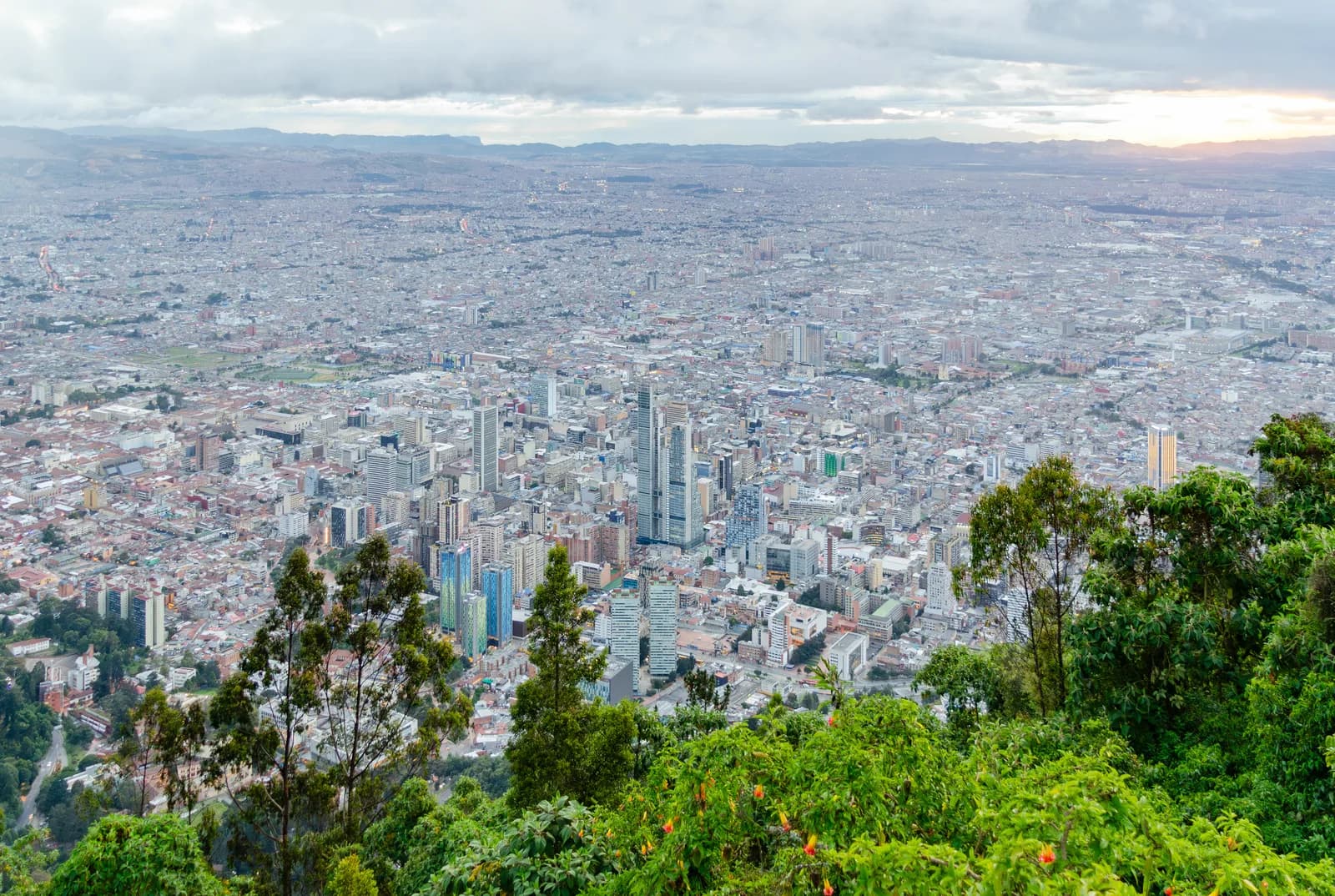
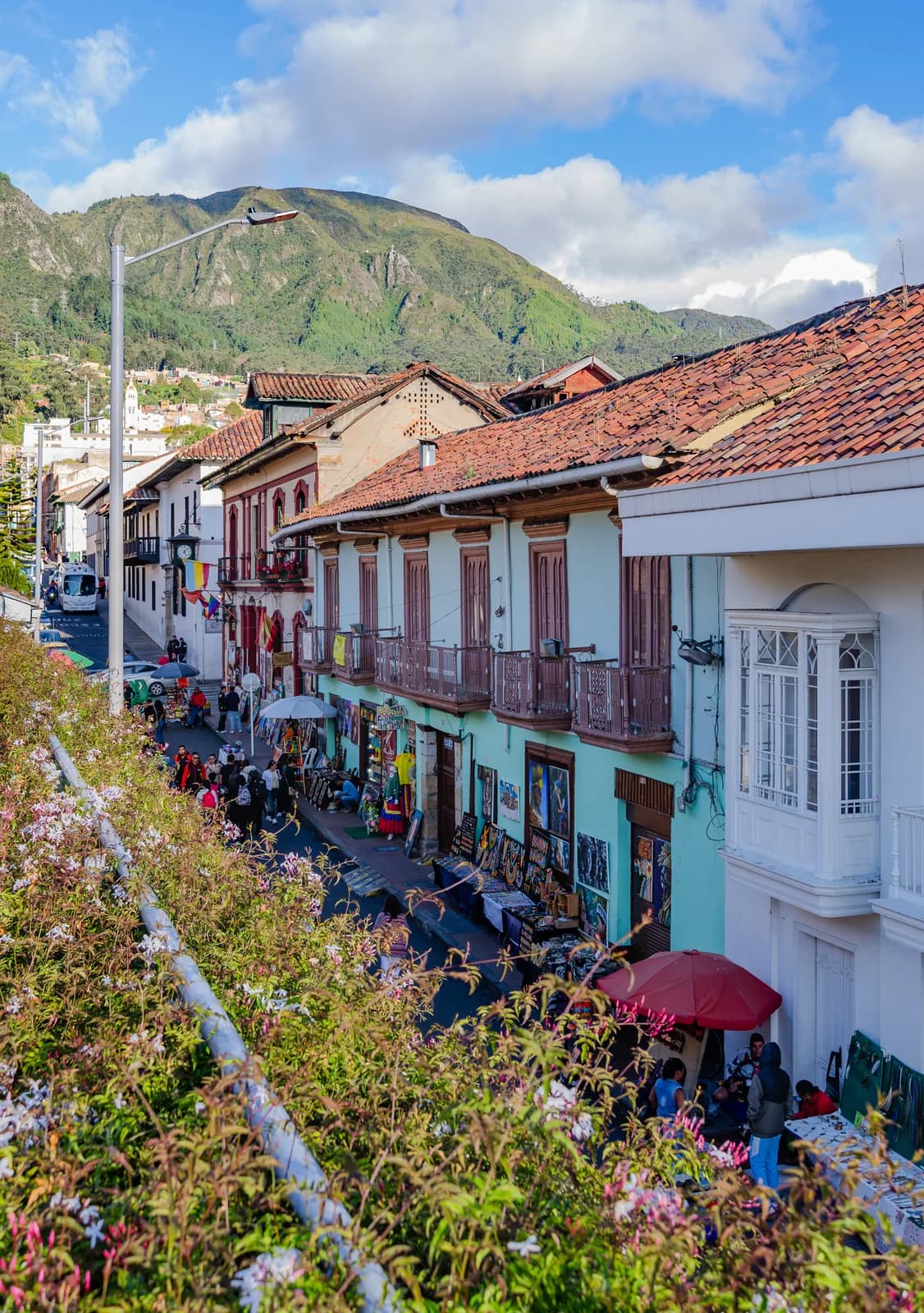
Bogotá was the least eventful two weeks of the trip on this front. It's a cosmopolitan capital of eight million people, it has a genuine Asian food scene, and a visible foreigner is background noise. The things that actually challenged me there were the altitude (2,640 m, and I couldn't breathe properly climbing Monserrate, which is humbling for a Kiwi who thinks the Southern Alps are tall) and the cold. Not my face. A Korean TikToker with a large following named Bogotá his favourite Colombian city to live in, citing the climate and the food, which tells you roughly how threatening it isn't. The things to do in Bogotá guide and the where to stay in Bogotá deep-dive cover the rest of the city.
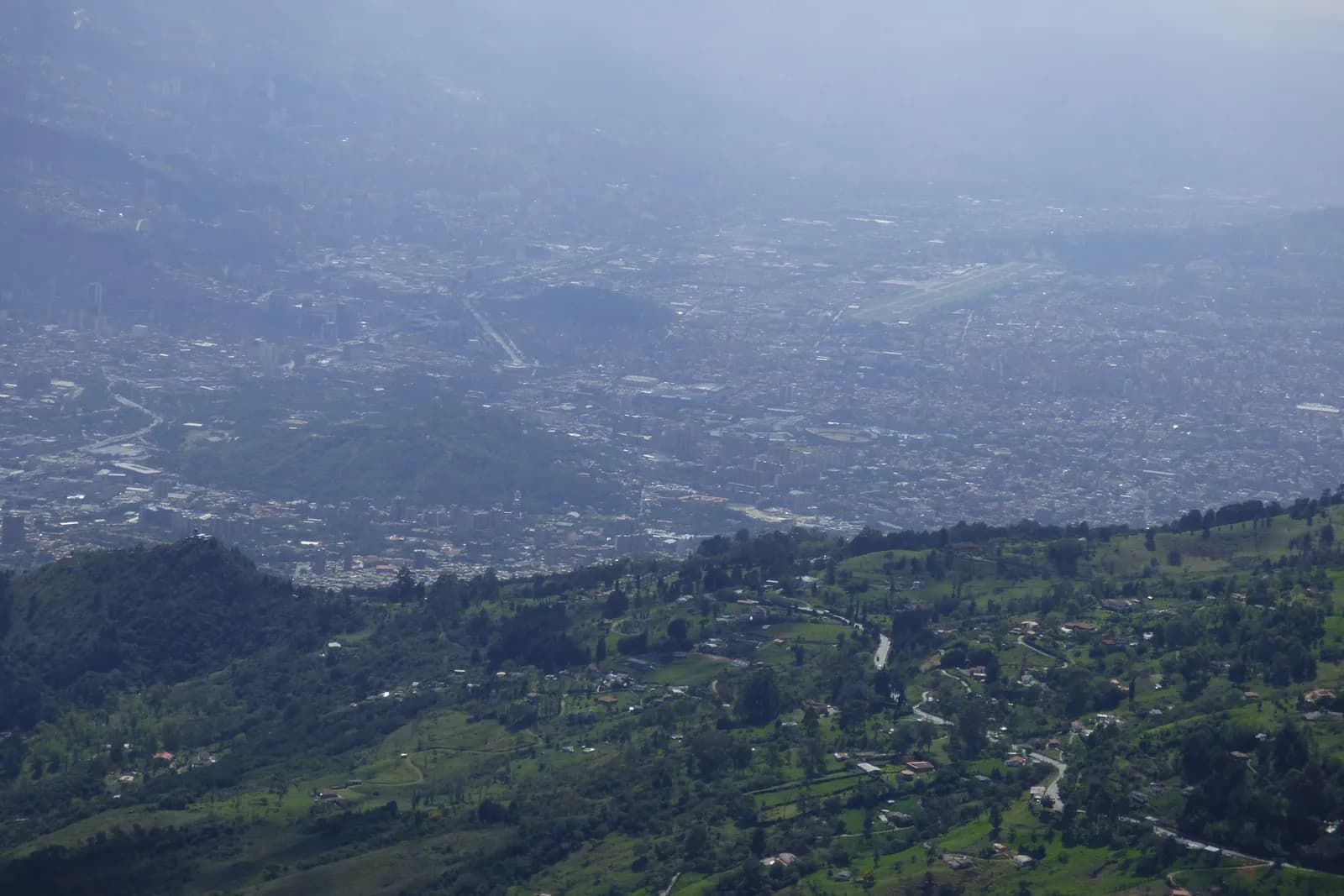
Medellín was similar. An Asian-American couple who did both cities put a number on it: in Medellín they heard "chino" maybe twice a day, versus what felt like every minute in Cartagena's walled city. Medellín also has actual Asian public figures. Zion Hwang, a Korean creator with millions of followers, has been based there for six years, picked up the paisa accent and parce, and opened a Korean gastrobar in Bogotá in 2023. Another Korean creator, Steve, does the same beat from Medellín. The city is used to it. My Medellín problem was completely different and had nothing to do with being Asian, which I'll get to.
Cartagena is the outlier. That same Asian-American couple described being approached "literally every five seconds" in the Old Walled City, with "Jackie Chan" and "Manny Pacquiao" thrown at them alongside "chino." They left after a day and a half. My day one was gentler: two double-takes from older locals, one group of kids who wanted a photo and got it, zero rude moments. But four hours isn't a week, and I was walking around with a camera, which changes the maths.
The important nuance: this is tout pressure aimed at obvious tourists, and being Asian just gives them a hook to grab. Getsemaní is noticeably milder. Bocagrande drops to roughly one approach every two or three blocks. The full picture on the city is in the is Cartagena worth it review and my first day in Cartagena.
Where the Asian communities actually are
There is no Chinatown in Colombia. Not in Bogotá, not anywhere. Barranquilla had a historic one and it dissolved through assimilation rather than surviving as a district, which is a genuinely different immigration story to the one most Asian diaspora travellers are used to.
The community that exists is concentrated in Cali (the largest Asian population in the country), Barranquilla, Cartagena and Buenaventura, and the modern wave is business-driven: Huawei, ZTE and Sinopec postings rather than family chain migration. Chinese cooking left the biggest mark on the culture, and the surviving artefact is arroz chino on menus nationwide.
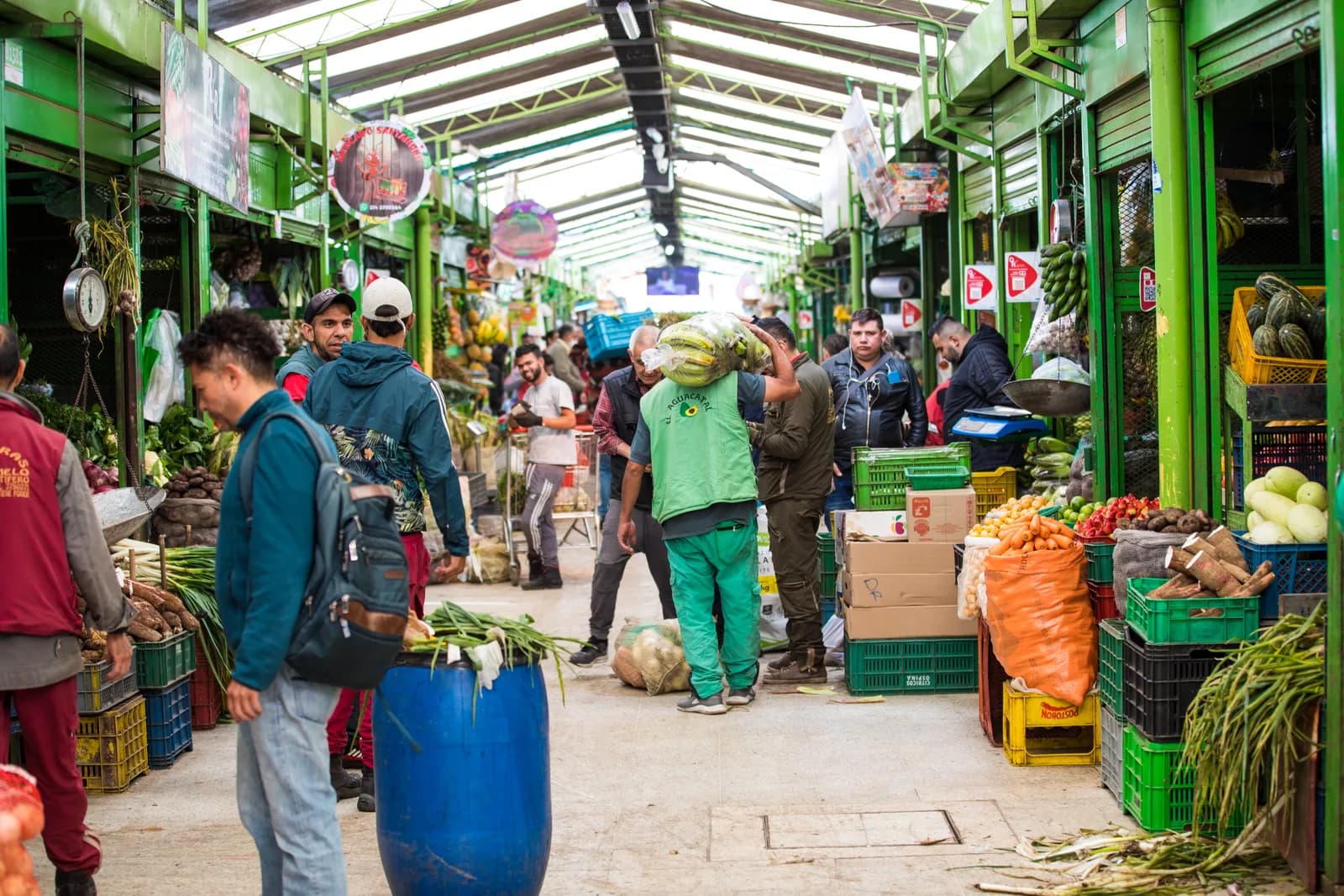
If you want to eat Asian food that isn't arroz chino, Bogotá is the answer, and specifically Chapinero. The G district has Sexy Seoul BBQ doing proper table-grill Korean barbecue. Cooking Taichi, Tio Mao and Ko Asian Kitchen are the Chinese-restaurant names that come up repeatedly, several run by immigrant families for decades. The Wok chain is everywhere and is fine in the way airport sushi is fine.
For a diaspora traveller this is the quiet surprise of Colombia: you can't lean on a Chinatown to reset your palate the way you can in Lima, Mexico City or Buenos Aires. Plan your food accordingly, or go full local, which is the better trip anyway.
The risk that actually matters is not about your face
Here's where I'd rather be blunt than reassuring. Nothing bad happened to me in Colombia because I'm Asian. Something bad did happen to me in Medellín, and it's the single most documented crime pattern against foreigners in the country: I got drugged and robbed.
That's a scopolamine-style incident, and it's not rare. The US State Department estimates something in the order of 50,000 scopolamine cases a year in Colombia, and a Universidad CES study found the majority are administered through a spiked drink. Not a business card. The poisoned-business-card story that circulates constantly, including from a mate in Bogotá who warned me about it two days before I went to Medellín, has been debunked repeatedly; the transdermal dose from touching paper is medically implausible. It's the drink you have to watch.
The US Embassy issued a security alert in January 2024 after eight suspicious deaths of American citizens in Medellín in two months, several linked to dating apps. Criminals work in teams. The pattern is consistent enough that Medellín police have arrested multiple all-female gangs running it. This risk applies to every foreigner, of every background, and it deserves its own post: is Medellín safe goes through it properly.
The point for this post: if you're an Asian traveller researching Colombia and you're worried about racism, you're worrying about the wrong thing. Watch your drink instead.
Where to stay across the three cities
Different cities, different logic. Here's where I'd book for each if the goal is minimum friction as a visible foreigner.
Laureles, Medellín, stay here if you want the easiest base in Colombia. Leafy, walkable, residential, with La 70 for nightlife and a fraction of El Poblado's petty theft. It's the consensus pick across recent safety guides and it's where I'd go back to.
El Poblado, Medellín, stay here if you want the tourist infrastructure and don't mind paying for it in price and pickpockets. Los Patios (dorms around $17 USD, privates near $77) and Masaya (dorms around $19) are the two hostels that come up in nearly every recent list.
Chapinero, Bogotá, stay here if you want the best Asian food in Colombia within walking distance, plus the bar and café scene. This is the most anonymous you'll feel in the country.
Getsemaní, Cartagena, stay here rather than inside the walls if the vendor pressure is a concern. Same walkability, half the Old Town price, noticeably fewer approaches per block. The where to stay in Cartagena breakdown compares all four zones properly.
Travel-style picks
If you're a first-timer, Getsemaní in Cartagena and Laureles in Medellín. Cheap, walkable, low-friction.
If you're on a budget, El Poblado hostel dorms run $16-19 USD; Getsemaní budget rooms run $25-45.
If you want comfort, El Poblado or Cartagena's Old Town boutiques, at $120-280 a night.
If you're a digital nomad or staying a month, Laureles or Envigado, which is quieter, cheaper and consistently described as one of the best-organised municipalities in the metro area.
Getting around and when to go
The Medellín metro is Colombia's only metro and a genuine point of civic pride: spotless, nobody eats on it, and the flat fare in 2026 is 3,820 COP with a Cívica card or about 4,400 COP on an occasional card, metrocable transfers included. One occasional card can be shared between travellers. Use Uber over street taxis, though be aware it operates in a legal grey zone and can't collect from the arrivals curb at MDE airport (walk to the parking structure). The official airport taxi runs roughly 100,000-120,000 COP, about $25-30 USD. Skip InDrive at the airport late at night; there's a documented February 2026 case of a foreigner charged 1.6 million COP, about 15 times the normal fare.
For timing, Medellín's "eternal spring" is real, 17-28°C year-round, but the rain isn't evenly spread. It rained on me almost every day, which was my own fault for going in the wrong window. Rainy seasons are April-May and September-November, with October and November the wettest. December-March and July-August are the dry windows. The Feria de las Flores runs August 1-10 in 2026 if you want the city at its loudest. Cartagena's dry season is December-April, and the heat there is closer to Bangkok than to anywhere else in Colombia.
Budget breakdown (per day, USD)
Roughly what the three-city route costs:
| Item | Backpacker | Mid-range | Comfort |
|---|---|---|---|
| Accommodation | $16-30 (hostel dorm) | $60-140 | $200-400 |
| Meals (3/day) | $12-22 | $35-60 | $80-160 |
| Transit (metro / Uber) | $3-8 | $10-20 | $25-50 |
| Activities | $5-15 | $25-55 | $70-180 |
| Daily total | $36-75 | $130-275 | $375-790 |
Two weeks across Bogotá, Medellín and Cartagena lands around $500-900 backpacking, $1,800-3,500 mid-range. Domestic flights between the three cities are usually cheaper and always faster than the bus.
Recommendations
Things I'd tell an Asian mate before they booked Colombia:
- Don't let the "chino" thing get in your head before you land. It's a descriptor, not an attack, and after week one you'll stop clocking it.
- Book Cartagena for three or four days, not a week. The vendor pressure is the thing that wears you out, not the city.
- Stay in Getsemaní over the walled city if you'd rather be approached less; the difference per block is real.
- Watch your drink in Medellín. Never leave it, never accept one you didn't see poured, and treat dating-app meetups as public-place-only.
- Ignore the poisoned-business-card story. It's a myth, and believing it makes you relax about the drink, which is the actual vector.
- Learn 50-100 Spanish phrases minimum, and install Google Translate's offline Spanish pack before you fly. Locals will often assume you speak neither Spanish nor English.
- Do Bogotá first or last, not in the middle. The temperature swing from 2,640 m to sea-level Cartagena is brutal in the wrong order.
- Eat in Chapinero if you need an Asian-food reset. There's no Chinatown to fall back on anywhere in the country.
- If kids ask for a photo, take it. Thirty seconds, everyone's happy, and it's the most wholesome interaction you'll have all week.
- Use the Medellín metro. It's cheap, it's immaculate, and locals are quietly proud when tourists use it properly.
Final note
The honest version is that being Asian in Colombia is a smaller story than I expected it to be. In Bogotá and Medellín it barely registered. In Cartagena it registered constantly, but the thing driving it was tourism, not race, and being Asian just gave the touts a specific word to shout. Nobody was cruel to me. A lot of people were curious, and a few kids were delighted, and that was about the size of it.
The thing that actually went wrong in Colombia had nothing to do with my face. I got drugged and robbed in Medellín, and that's the risk worth researching, covered properly in is Medellín safe. If you're routing the rest of the country, the where to stay in Medellín and things to do in Medellín guides cover the city everyone stays longest in, the where to stay in Cartagena and things to do in Cartagena guides cover the coast, and the first day in Cartagena diary is the short version of how this all started.
Colombia is still one of the best countries I've been to. The diversity, the beauty, the language, the slang, the reggaeton. I'd go back tomorrow. I'd just be a lot more careful about what goes in my hand.
Frequently asked
What is it like being Asian in Colombia?
Mostly friendly curiosity, and it varies enormously by city. Colombia is roughly 0.4% Asian (about 200,000 people per 2023 Latinobarómetro data), so in most of the country you are a genuine novelty rather than part of the background. Expect to be called 'chino' regardless of where you're actually from, expect occasional selfie requests, and expect almost none of it to be hostile. Cartagena's walled city is by far the most intense; Bogotá and Medellín are close to uneventful.
Is 'chino' offensive in Colombia?
Usually not. In Colombian usage 'chino' is the blanket word for anyone who looks East or Southeast Asian, applied to Koreans, Japanese, Vietnamese and Chinese alike, and it's typically descriptive rather than an insult. It can still land badly when it's shouted across a street or used to get your attention as a customer. Context does the work: a vendor yelling it to sell you a hat is different from a kid saying it to their mum.
Which Colombian city is easiest for Asian travellers?
Medellín, then Bogotá. Both are big enough that a visible foreigner barely registers, and both have real Asian food scenes and long-term Asian residents. Cartagena's Old Town is the hardest, not because of hostility but because of relentless vendor attention that gets aimed at any obvious tourist and often comes with 'chino' or a Jackie Chan reference attached.
Are there Asian communities in Colombia?
Yes, but no Chinatown anywhere in the country. Estimates put the Chinese community around 20,000-25,000 people, concentrated in Cali, Barranquilla, Cartagena and Buenaventura, with Cali holding the largest Asian community overall. Barranquilla's historic Chinatown dissolved through assimilation rather than surviving as a district. Bogotá has the best Korean and Chinese restaurant scene, largely around Chapinero.
Is Colombia safe for Asian travellers specifically?
The risks are the same ones every traveller faces, not race-specific ones. Phone snatching, drink spiking and dating-app robberies are the documented patterns, and none of them target Asian visitors in particular. Being visibly foreign does raise your profile as a tourist, which matters more than being visibly Asian. Colombia currently sits at the US State Department's Level 3 'Reconsider Travel' advisory, updated March 2026.
Do people take photos of Asian travellers in Colombia?
Sometimes, mostly kids, and mostly outside the heavily touristed zones. It happened to me within four hours of arriving in Cartagena: a group of kids in a plaza who'd never seen an East Asian person in real life wanted a photo, their mum was laughing, and it took about 30 seconds. It's curiosity, not anything darker. A smile and 'no, gracias' works fine if you'd rather not.
Will people speak English to me in Colombia?
Rarely, outside tourist zones and upmarket hotels. Being Asian adds a small wrinkle: locals sometimes assume you don't speak Spanish before you've opened your mouth, and occasionally assume you don't speak English either. Learn 50-100 phrases and download Google Translate's offline Spanish pack. The Caribbean coast Spanish in Cartagena is faster and drops syllables, so it's harder than Bogotá's.