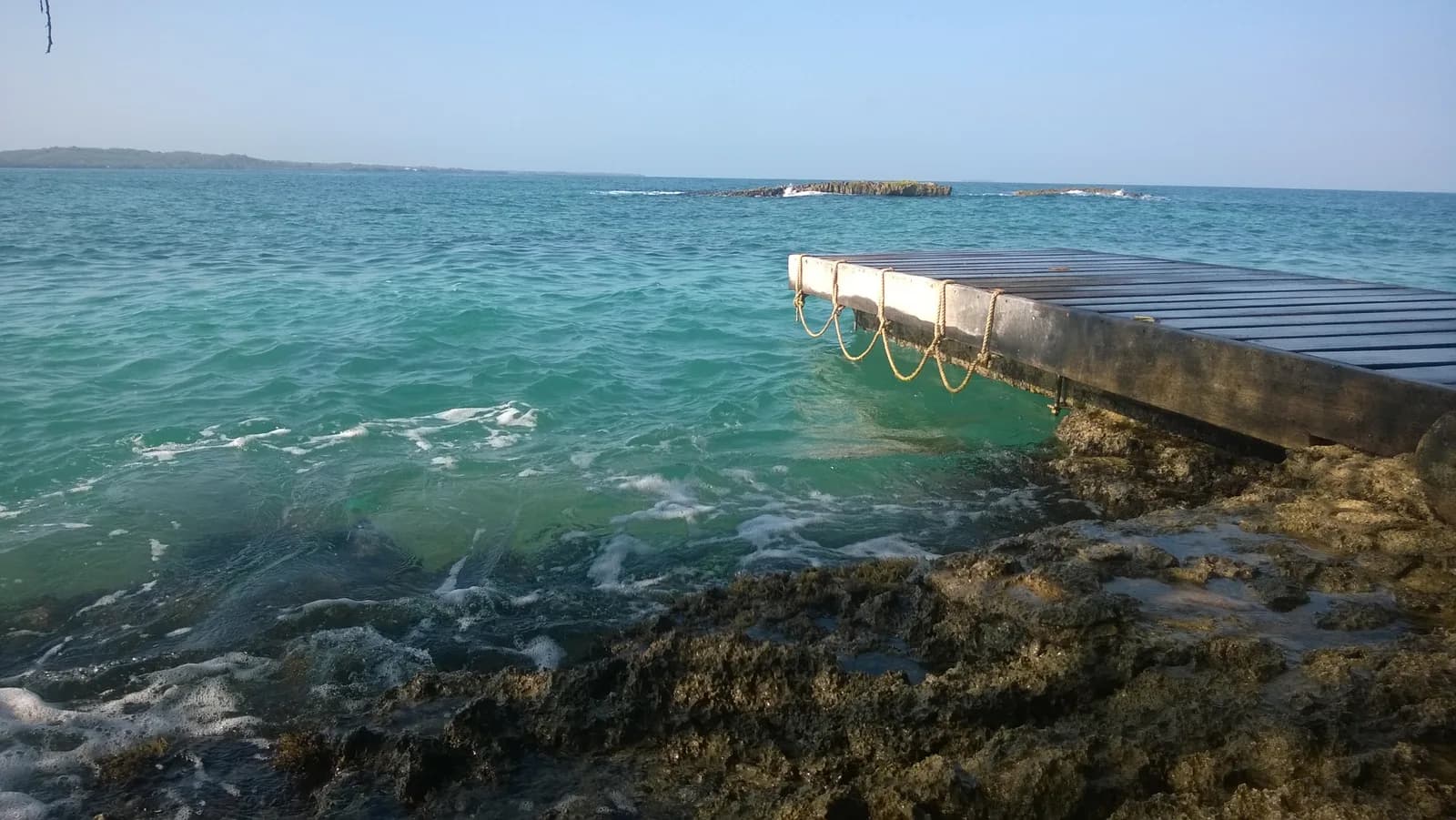
Things to Do in Cartagena, Colombia: What's Actually Worth Booking
The best things to do in Cartagena, ranked by what recent travellers actually rate: Rosario Islands, the Old Town, food tours, salsa, and what to skip.
The first-day-in-Cartagena post covers my first hours in the city (the heat, the selfie requests, the Spanish barrier). This one is the bigger picture: what's genuinely worth booking, what's overpriced-but-iconic, and the handful of things that get down-rated trip after trip.
The pattern across recent reports is clear. Cartagena rewards a tight, well-booked 3-4 days far more than a loose week. The walkable Old Town does a lot of the heavy lifting for free, the one big spend worth making is a Rosario Islands boat day, and the most famous beach (Playa Blanca) is the thing most people would skip a second time.
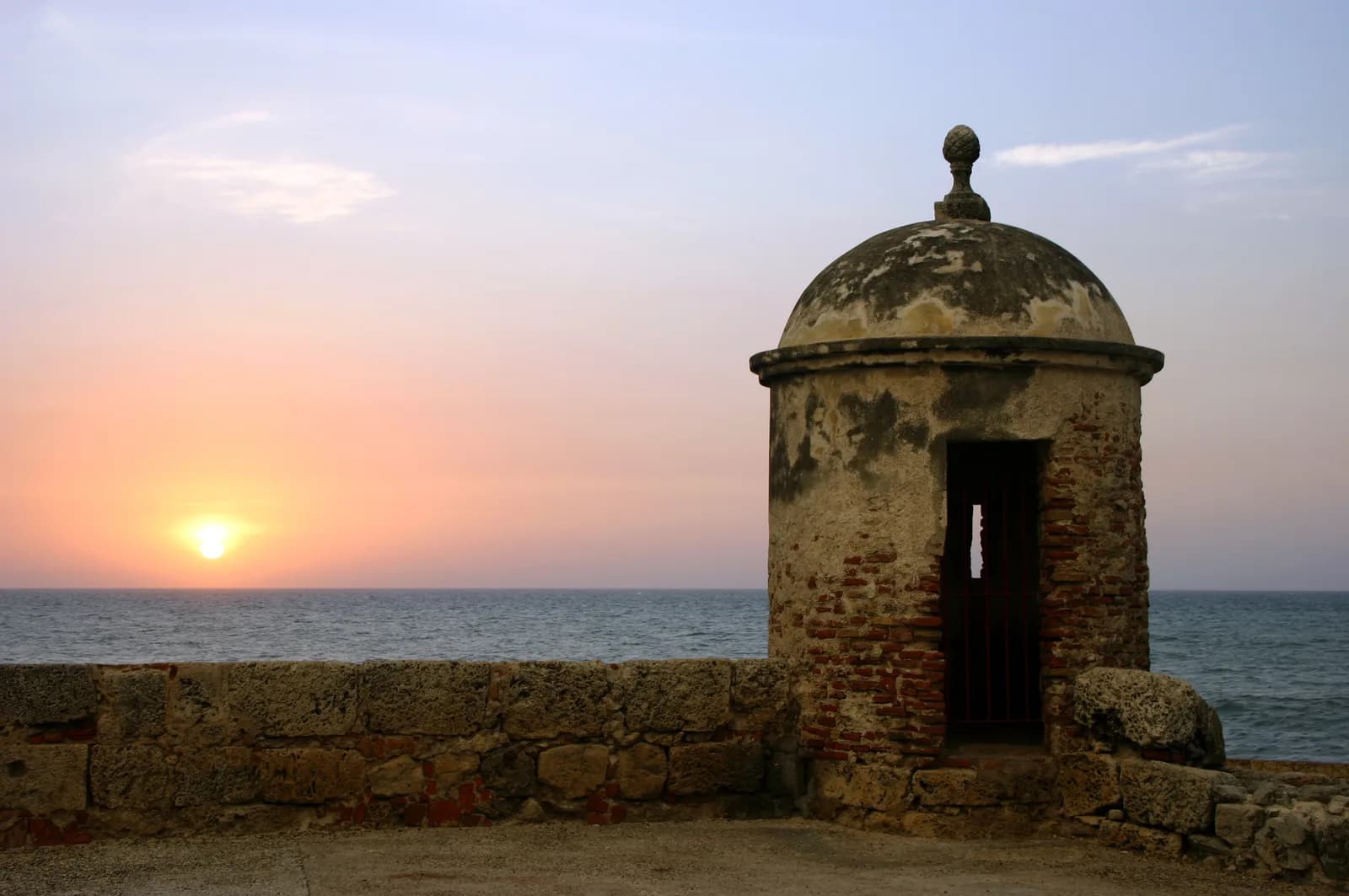
The Cartagena shortlist, ranked by what travellers actually rate
Here's the consensus order from recent firsthand accounts and the Cartagena TripAdvisor forum, with what you'll realistically pay:
| Activity | Typical price | Verdict |
|---|---|---|
| Old Town + Getsemaní walking tour | Free–tip to ~$20 USD | Near-universal "worth it," the day-one move |
| Getsemaní street-food tour | $30–50 USD | Repeatedly called a trip highlight |
| Rosario Islands boat day | $60–120 shared / $350–700 private boat | The one big spend worth making |
| Castillo San Felipe de Barajas | ~50,000 COP + audio guide | Worth it; go at 8am, no shade |
| Sunset on the city walls / Café del Mar | Free, or ~$7+ a drink | Iconic; pay for the view, not the cocktail |
| Salsa class (Crazy Salsa) | $10–12 class | Loved; skip the bundled bar-hop |
| Getsemaní graffiti tour | ~$15–25 USD | Strong for the murals and the politics |
| Totumo mud volcano | ~$25 USD + tips | Polarising novelty |
| Bazurto Market tour | Guided, varies | The most "real Cartagena" half-day |
| Playa Blanca | Driver ~300,000 COP/day | Most down-rated; go weekday or skip |
The rest of this guide breaks down the ones where the booking decision actually matters.
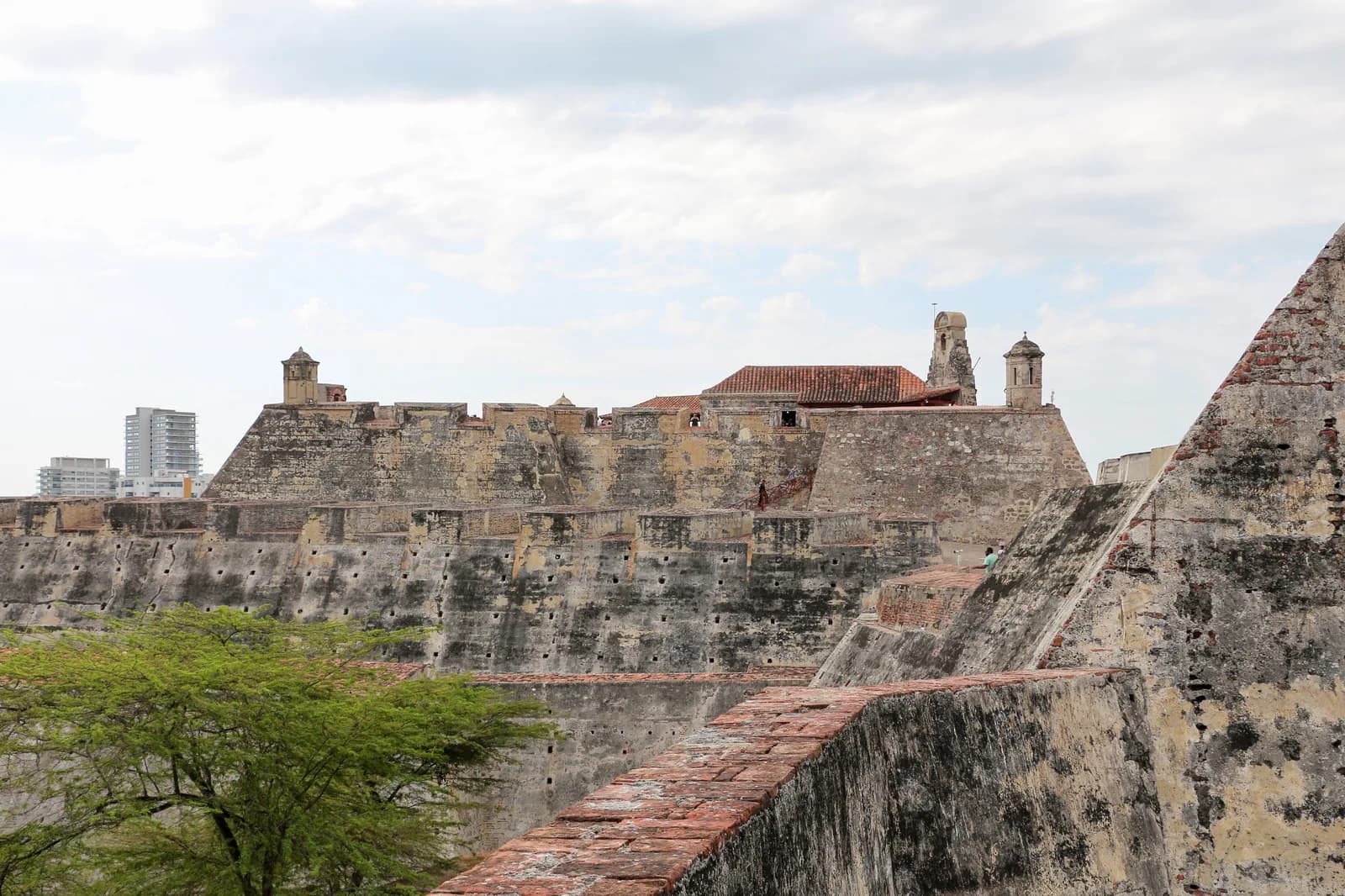
Rosario Islands vs Playa Blanca: the big beach decision
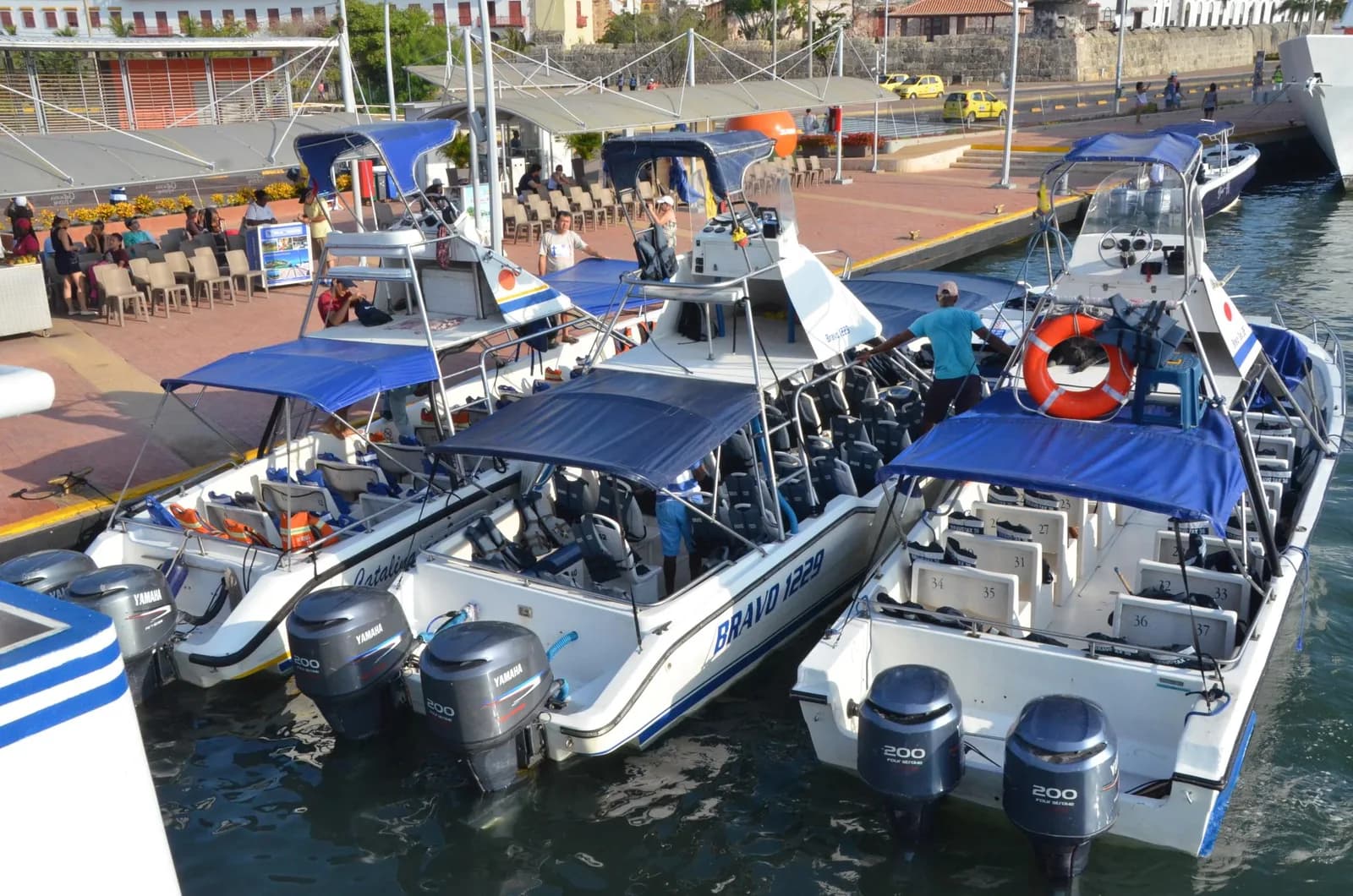
This is the question recent travellers wrestle with most, and the answer has shifted. Rosario Islands is the pick. The water is the postcard Caribbean that the city beach in Bocagrande is not, and the day works whether you go shared or private. Shared catamaran tours (the Bonavida catamaran comes up often) run roughly $60-120 USD and usually fold lunch and the national-park fee into the price. A private Rosario Islands boat starts around $350 and makes sense the moment you've got eight or more people, because it lets you skip the crowded public beach club entirely and anchor off the quieter far side. I have broken the whole boat decision out into a separate Rosario Islands day trip guide, covering tour types, prices and the port fees.
Two things to budget for that the cheap listings hide. First, the Corales del Rosario national-park fee of around 25,000-28,000 COP (about $6-7 USD), which almost no operator includes and which gets collected mid-channel where card readers fail, so carry cash. Second, the schedule: boats have to leave the islands by about 3-3:30pm because the afternoon swells pick up, so a morning departure is the difference between 4.5 hours of island time and barely two.
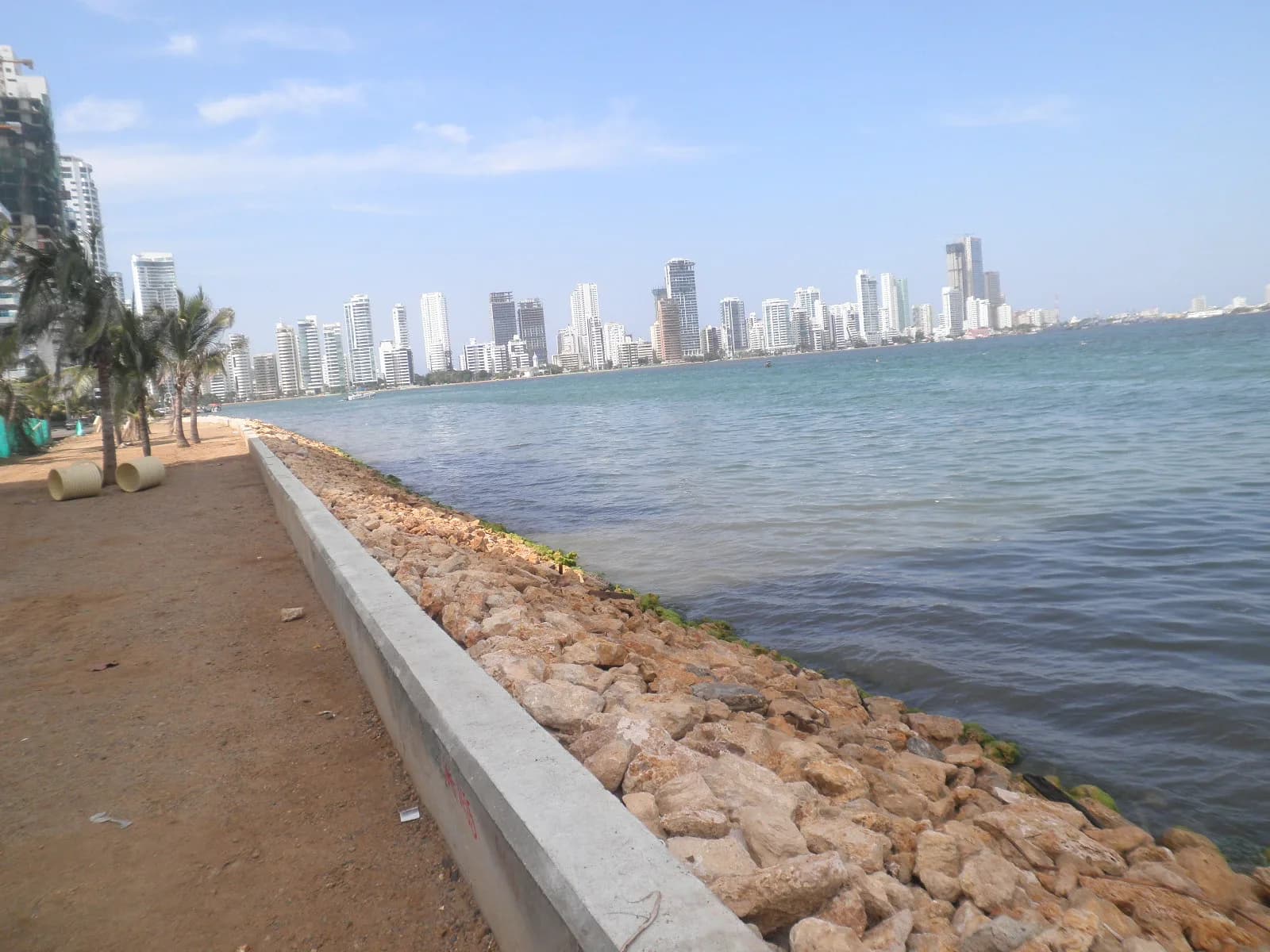
Playa Blanca is the one to think hard about. The sand genuinely is beautiful, but recent reports converge on the same complaints: aggressive vendors that several travellers describe as feeling like harassment, surprise charges, and weekend crowds that turn the famous beach into a crush. Multiple guides who used to recommend it have stopped. If you go anyway, go on a weekday (Tuesday to Thursday), stay in the water to dodge vendors, and walk down to the quieter Playa Tranquila stretch. For the full beach-versus-zone picture, the where to stay in Cartagena guide covers why Bocagrande's own beach is a working city beach, not a postcard.
The Old Town on foot: tours, food, and salsa
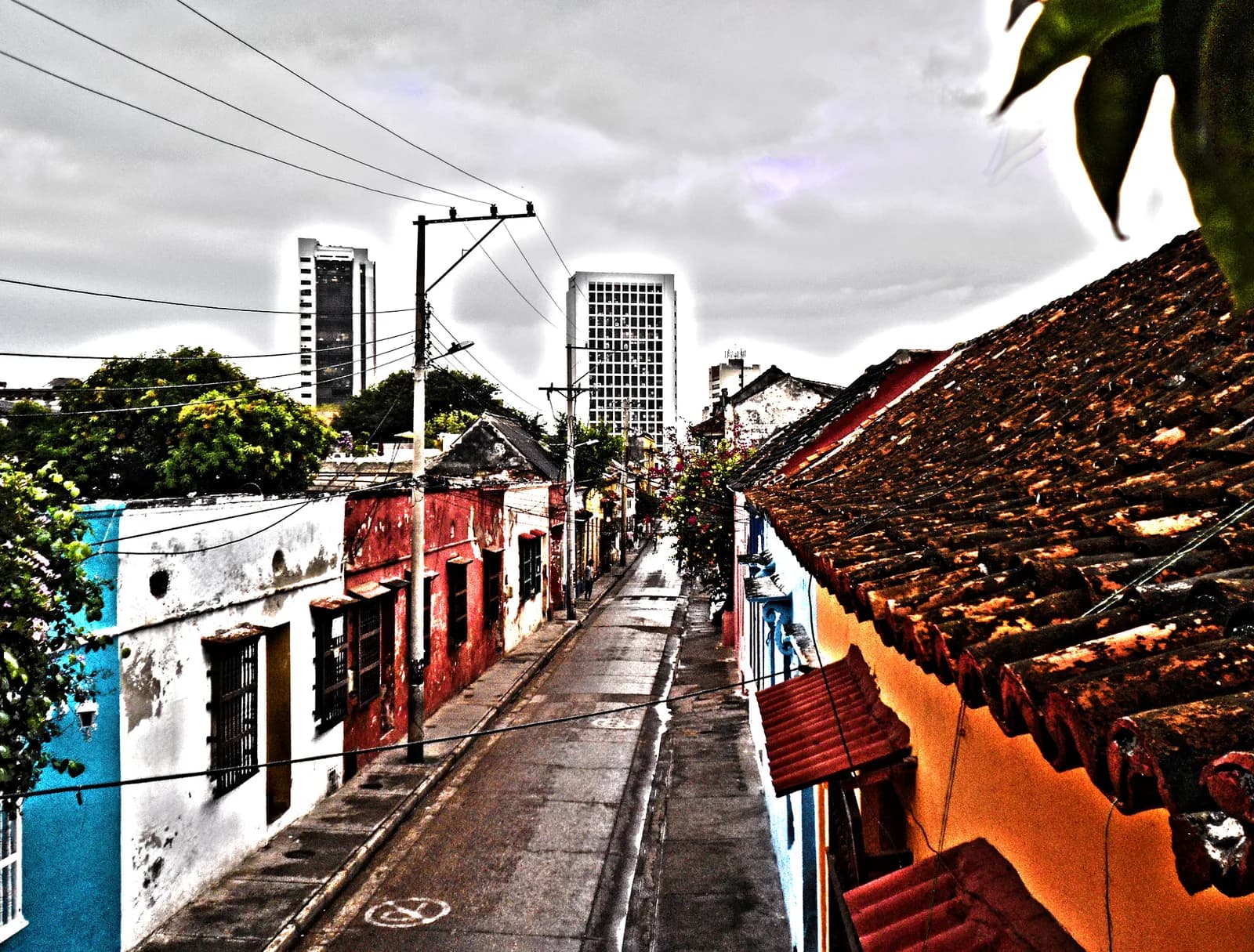
The single most-recommended Cartagena activity costs almost nothing. A walking tour of the Walled City and Getsemaní is the day-one move in nearly every recent itinerary, and reviewers describe it converting even tour skeptics, because the colonial layers only make sense with someone explaining them. Free tip-based walks and paid Cartagena walking tours both work; the paid ones run about two hours and a "very reasonable" rate.
Food is the other Old Town headline. A Getsemaní street-food tour (one traveller paid $44 USD for a 3-4 hour, nine-stop run) shows up again and again as a trip highlight, with the street arepas as the standout. Fair warning from those same reports: it's carb-and-cheese heavy and you leave genuinely stuffed, so go hungry and don't book dinner after.
For nightlife with substance, skip the bundled "class plus bar crawl" packages that reviewers say leave you in half-empty clubs, and instead take a standalone salsa class with Crazy Salsa ($10-12 for an hour), then go find a live band at Café Havana on your own. The rooftop scene (Alquímico, regularly listed among the world's best bars, plus Townhouse and Movich) is worth one sunset, but several travellers note you can recreate a rooftop crawl yourself and save the tour cost.
Day trips beyond the city
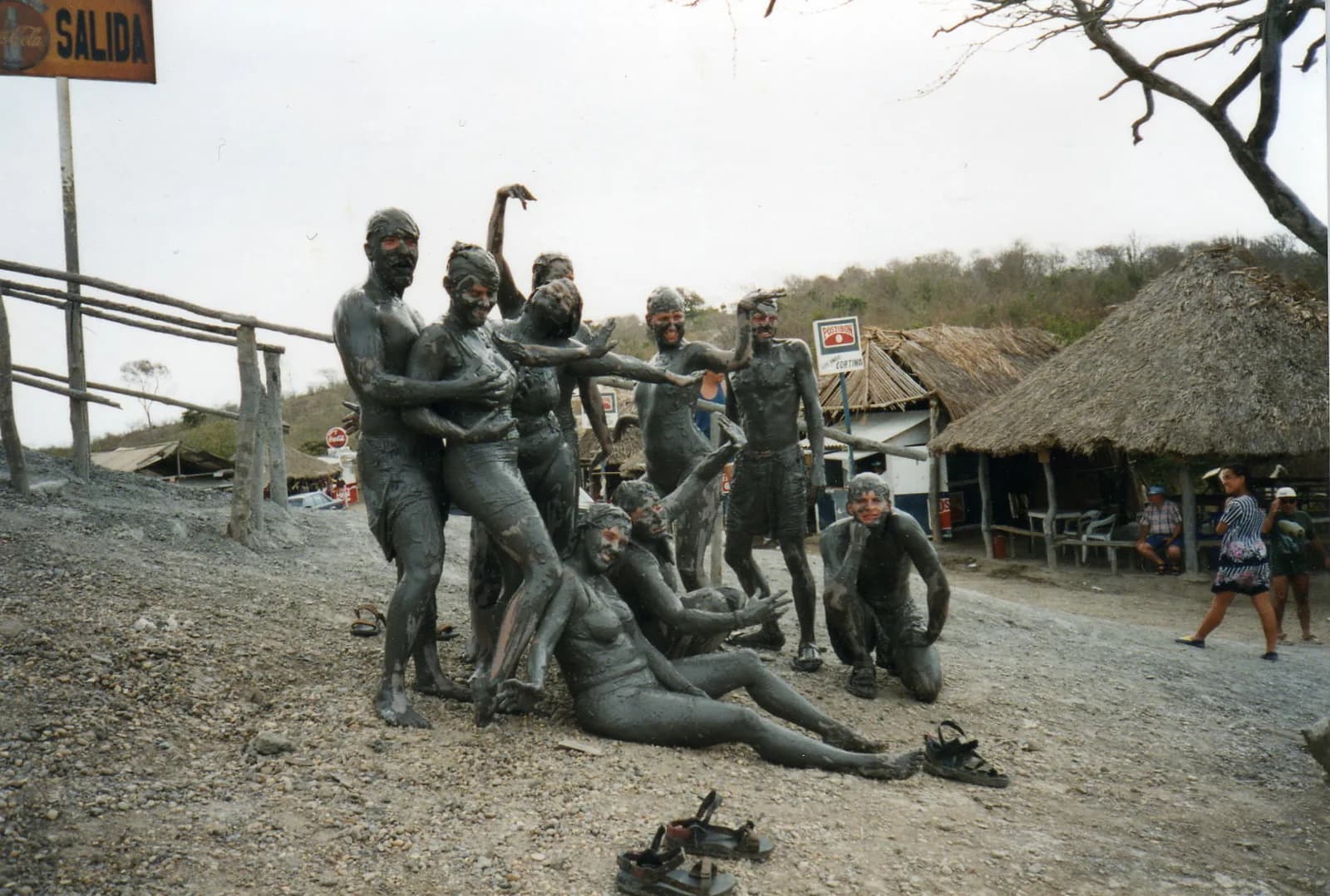
Once the Old Town is handled, the day trips sort travellers by taste. The Totumo mud volcano is the famous one: a roughly $25 USD group tour where you climb into a warm mud crater. Go in knowing it's a tip-machine (budget around $5 each for the people who photograph, massage, and rinse you, which can total $50+ for a family) and the novelty lands; the unsolicited hands-on massage is the part that bothers people, so a private Totumo tour over the cheapest group option helps.
For culture over novelty, the Bazurto Market guided tour is described as the most immersive way to see the working city, and San Basilio de Palenque, a UNESCO-listed town founded by escaped enslaved people about 80 minutes inland, draws strong praise from history-minded travellers, with the honest caveat that it's a living village and not a staged cultural show. If you're weighing whether Cartagena earns these extra days at all, the honest "is Cartagena worth it" review walks through the rating split.
Where to stay between activities
Your base shapes how much of this list you actually do, because Cartagena's zones trade off walkability against price and beach access. This is the short version; the full where to stay in Cartagena breakdown compares hotels in each.
Stay in the Old Town (Ciudad Amurallada) if you want to walk out the door into the sights, the walking tours, and the rooftop bars. It's the safest zone at night and the most expensive. Stay in Getsemaní if you want the street-food tours, the graffiti murals, and salsa on Plaza de la Trinidad at half the room rate. Stay in Bocagrande if you want a beach and a high-rise pool and don't mind cabbing into the Old Town. Stay in Manga or San Diego if you want quiet, residential, mid-range value within walking distance.
Quick picks: first-timers, Old Town. Budget travellers, Getsemaní. Beach trip, Bocagrande. Long stays or remote work, Manga.
What to skip, and the scams to dodge
The recurring traps in recent reports are easy to avoid once you know them:
- The "free sample" scam at Playa Blanca: a massage, oyster, or coconut handed to you "free," then billed at a high price. A firm "no, gracias" before you touch anything ends it.
- Two-menu price gouging: some beach and tourist-strip spots quote one price and charge another. Confirm the price out loud before ordering.
- Cheap dock boat tours: the sub-$90 island deals booked at the pier are the ones travellers report being stuck at the dock for 90 minutes, then crammed into overcrowded speedboats with surprise snorkelling charges. Book online with reviews you can verify.
- The hidden park fee: budget the ~25,000 COP Rosario national-park fee in cash; it's almost never in the advertised price.
- Café del Mar sticker shock: drinks from around $7 USD and "you're paying for the view." Worth one sunset; the free alternative is just sitting on the walls.
Budget breakdown for activities (per day, USD)
Rough activity spend by travel style, on top of accommodation and food:
| Travel style | Activities/day | What it buys |
|---|---|---|
| Backpacker | $5–25 | Free walking tour, walls at sunset, one salsa class |
| Mid-range | $35–80 | Street-food tour, shared Rosario boat, San Felipe |
| Luxury | $90–250 | Private Rosario boat, private Totumo, cooking class |
A 4-day Cartagena trip with one island day, one food tour, San Felipe, and a salsa class lands most mid-range travellers around $200-300 USD in activities total. For the full all-in numbers including hotels and food, see the budget table in the where to stay guide.
Getting there and when to go
Cartagena's airport (CTG) takes direct flights from Miami, Atlanta, Fort Lauderdale, and New York, plus quick domestic hops from Bogotá and Medellín that often beat the bus on price. The airport is 15-20 minutes from the Old Town by taxi.
The best window is December to April, the dry season, with February the sweet spot for steady Caribbean breeze and low rain. April and November are the underrated shoulder months: still mostly dry, prices easing. Avoid August to October if you can, the wettest stretch, when afternoon downpours can wash out an island day. Book the islands, Playa Blanca, and Totumo a day or more ahead in dry season, when the good operators fill up.
If you're routing the trip through Mexico first, the Bacalar where to stay guide, the Bacalar things to do guide, and the Mérida to Bacalar bus guide cover that side; expect a connection through Mexico City or Bogotá, since there's no direct Yucatán-to-Cartagena route.
Recommendations
A short list of things worth knowing before you book:
- Do the free or cheap walking tour on day one. It makes every later wander through the Old Town richer.
- Book a Rosario Islands boat for a morning departure, and go private if you can fill 8+ seats.
- Carry cash for the Rosario park fee and the balneario-style entry charges. Card readers fail where you need them.
- Treat Playa Blanca as optional. If you go, go on a weekday and stay in the water.
- Hit Castillo San Felipe right at 8am opening; there's no shade and it bakes by mid-morning.
- Do the salsa class, skip the bundled bar crawl, and find a live band at Café Havana yourself.
- Budget one rooftop sunset (Alquímico or a hotel rooftop) and recreate the rest on your own.
- Use Uber or InDriver at night and stay inside the Walled City and central Getsemaní after dark.
- Go hungry to the street-food tour and don't book dinner the same night.
Final note
Cartagena's best version is a booked-tight few days: one island day, one food tour, the Old Town on foot, San Felipe at sunrise, and a salsa night, with Playa Blanca quietly dropped from the plan. If you've done a tour recently that changed your mind on any of this, tell me and I'll update it. For the parts I did see firsthand, the first day in Cartagena and the is-Cartagena-worth-it review are the honest companions to this one, and the where to stay guide is where to point your booking next. Routing inland, things to do in Medellín and things to do in Bogotá are the parallels for the other two cities.
Frequently asked
What are the best things to do in Cartagena?
The consensus top three across recent traveller reports are an Old Town walking tour (the standard day-one move), a Getsemaní street-food tour, and a Rosario Islands boat day. After that, Castillo San Felipe at opening time, sunset on the city walls, and a salsa class round out a strong 3-4 day trip. Playa Blanca is the most commonly down-rated attraction.
Is Playa Blanca or Rosario Islands better?
Rosario Islands, for most travellers. Playa Blanca has the famous white sand but recent visitors consistently describe aggressive vendors and heavy crowds, and several guides who used to recommend it no longer do. Rosario costs more (a shared boat runs $60-120 USD plus a ~25,000 COP park fee) but the water is cleaner and a private boat split between 8+ people escapes the crowds entirely.
How many days do you need in Cartagena?
Three to four days for the city itself is the forum consensus. Day one is the Old Town and Getsemaní on foot, day two is a Rosario Islands boat day, day three is food, salsa, and San Felipe. A fourth day buys you a mud volcano or Palenque day trip. Beyond four days, most travellers pair Cartagena with Santa Marta, Minca, or the islands.
Is the Totumo mud volcano worth it?
It's polarising. Group tours run about $25 USD per person, but budget extra cash to tip the five-or-so people who photograph you, massage you, and wash you off (around $5 each). Travellers who go in knowing it's touristy and a tip-machine tend to enjoy the novelty; the unsolicited hands-on massage bothers others. Book a private or small-group tour over the cheapest option.
What should you avoid doing in Cartagena?
The recurring scams are the Playa Blanca 'free sample' trap (a massage, oyster, or coconut offered free then billed), two-menu price-switching at payment, and sub-$10 dock boat tours that leave you stuck at the pier and overcrowded. Decline firmly with 'no, gracias,' book boats online with a reputable operator, and carry small cash for the Rosario national-park fee.
Do you need to book Cartagena tours in advance?
For the islands, Playa Blanca, and the Totumo mud volcano, yes, book a day or more ahead with a verifiable operator (GetYourGuide, Viator, or a named local). Boats must leave the islands by around 3-3:30pm because of afternoon swells, so morning departures matter. Walking and food tours can usually be booked a day out.
Is Cartagena safe for tourists?
Inside the Walled City and central Getsemaní, yes, with normal big-city precautions. Recent forum posts are blunt that the safety drops off quickly outside the tourist core, so ask your hotel before wandering into unfamiliar zones and use Uber or InDriver at night. Petty theft, not violent crime, is the main day-to-day risk for visitors.