Is Medellín Safe? An Honest Answer After I Got Drugged There
Is Medellín safe in 2026? The honest version from someone who got drugged there: the real risks, the myths, the safest neighborhoods, and what I'd do differently.
Two days before I flew to Medellín, a mate in Bogotá sat me down and told me how they poison business cards there and rob people. I half-listened. It sounded like the kind of story that gets passed between travellers until nobody knows where it started. Two days later I was in Medellín, and I got drugged and robbed anyway.
Here's the part that stings: he was wrong about the method and right about the city. The business card thing is a myth. The risk it was pointing at is completely real, and it's the one I walked into. That's the only bad thing that has ever happened to me travelling Latin America, and I still think Colombia is one of the best countries in the world. Both of those things are true at once, and this post is my attempt to hold them together honestly.
The short answer
Medellín is safer than its reputation and more dangerous than its marketing. Both the Netflix-narco version and the digital-nomad-paradise version are wrong.
The numbers are genuinely good. Medellín recorded 300 homicides in 2024, a rate of 11.04 per 100,000 and the lowest in 82 years. That's down from a 1991 peak of 416 per 100,000, which remains one of the most extraordinary turnarounds any city has managed. It also puts Medellín below Bogotá (14.7), Barranquilla (33.6), Cartagena (37.4) and Cali (40.5). You are not walking into a war zone.
But violent crime statistics measure the wrong thing for a tourist. The risk you actually face in Medellín is being drugged and relieved of your phone, cards and PINs by someone who was pleasant to you an hour earlier. That doesn't show up in the homicide rate.
The business card is a myth. The drink is not.
Let me kill this one properly, because it nearly killed my judgement.
Scopolamine (burundanga, or "devil's breath" in the clickbait version) is real. The US State Department estimates something in the order of 50,000 incidents a year across Colombia. It leaves victims compliant and cooperative, and wipes four to six hours of memory. It also clears the body in roughly 12 hours, which is why the statistics are soft: most victims wake up, realise their stuff is gone, and can't prove much.
What's not real is the delivery method everyone repeats. Poisoned business cards, drugged flyers, powder blown in your face by a stranger on a corner: Snopes has debunked the card story twice, and the Bogotá Post and Colombia One have both run it down. Scopolamine is odourless and tasteless and needs a genuine ingested or inhaled dose. The amount you'd absorb through your fingertips touching paper for two seconds is not pharmacologically meaningful.
A Universidad CES study found the majority of real cases come from a spiked drink. Colombia One puts it around 75%. So the myth is worse than useless. It points you at strangers handing out paper while the actual threat is the drink in front of you, handed to you by someone friendly, in a bar that looks completely normal.
That's the trap I'd warn a mate about. Not the card. The card story makes you feel vigilant while you're being careless about the only thing that matters.
The dating-app pattern is the documented one
If there's one paragraph in this post worth reading, it's this one.
In January 2024, the US Embassy in Bogotá issued a security alert after eight suspicious deaths of American citizens in Medellín between 1 November and 31 December 2023, several of them linked to dating apps. The wording was unusually blunt: numerous US citizens in Colombia have been drugged, robbed and even killed by their Colombian dates. Tinder, Bumble and Grindr were all named. The alert's core advice was to meet only in public places and never at a hotel room or a residence.
This isn't theoretical. Medellín police have arrested multiple gangs running exactly this play, including a 26-year-old woman who lured three Americans via dating apps, spiked their drinks at bars, then walked them "home" and stripped their cash, cards and phones. Another woman arrested in Itagüí, nicknamed the queen of scopolamine in the local press, led an all-female crew tied to eight or more drugging robberies of foreigners.
In March 2026 an American Airlines flight attendant, Eric Fernando Gutierrez Molina, 32, disappeared on a Medellín layover after a night out. His body was found about a week later in rural land between Jericó and Puente Iglesias. The suspects last seen with him had a history of theft using scopolamine.
The good news, such as it is: 2024 was the peak. Newsweek reported a tourist dying roughly every week that year, with 61 foreign deaths total and 29 violent or unexplained. By mid-April 2025 the figure was 17 for the year, none confirmed as homicide. It's improving. It's not solved.
Neighborhood by neighborhood
Where you sleep and where you drink matter more than anything else on this list.
| Area | Day | Night | Main risk | Verdict |
|---|---|---|---|---|
| Laureles | Safe | Safe | Low-level petty theft | The consensus safest base |
| Envigado | Safe | Safe | Very low | Best for long stays, quiet |
| El Poblado / Provenza | Safe | Mostly safe | Pickpockets, drink spiking | Most infrastructure, most targeted |
| Comuna 13 | Safe (crowds) | Avoid | Phone snatching in crowds | Weekday morning only |
| El Centro | Caution | Avoid outright | Robbery, muggings | Daytime, phone away, nothing else |
| Aranjuez / Manrique / north of Av. 33 | Caution | Avoid | Robbery | Not a tourist zone |
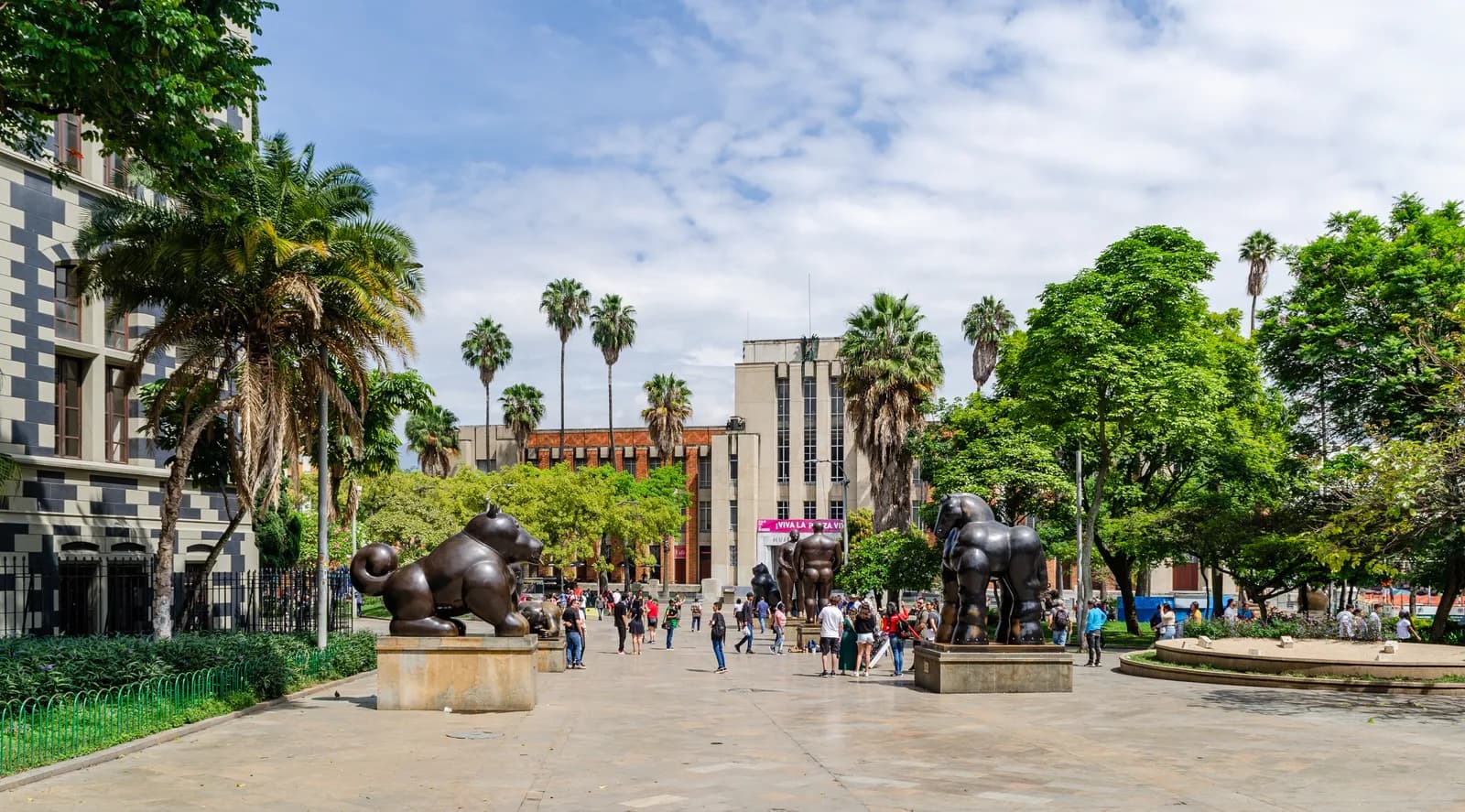
El Centro deserves a specific warning. It's fine in daylight with your phone out of sight and your backpack worn on your front, and Plaza Botero is genuinely worth an hour. After dark, the police presence evaporates and it's been described as the most desolate area of the city. Don't linger.
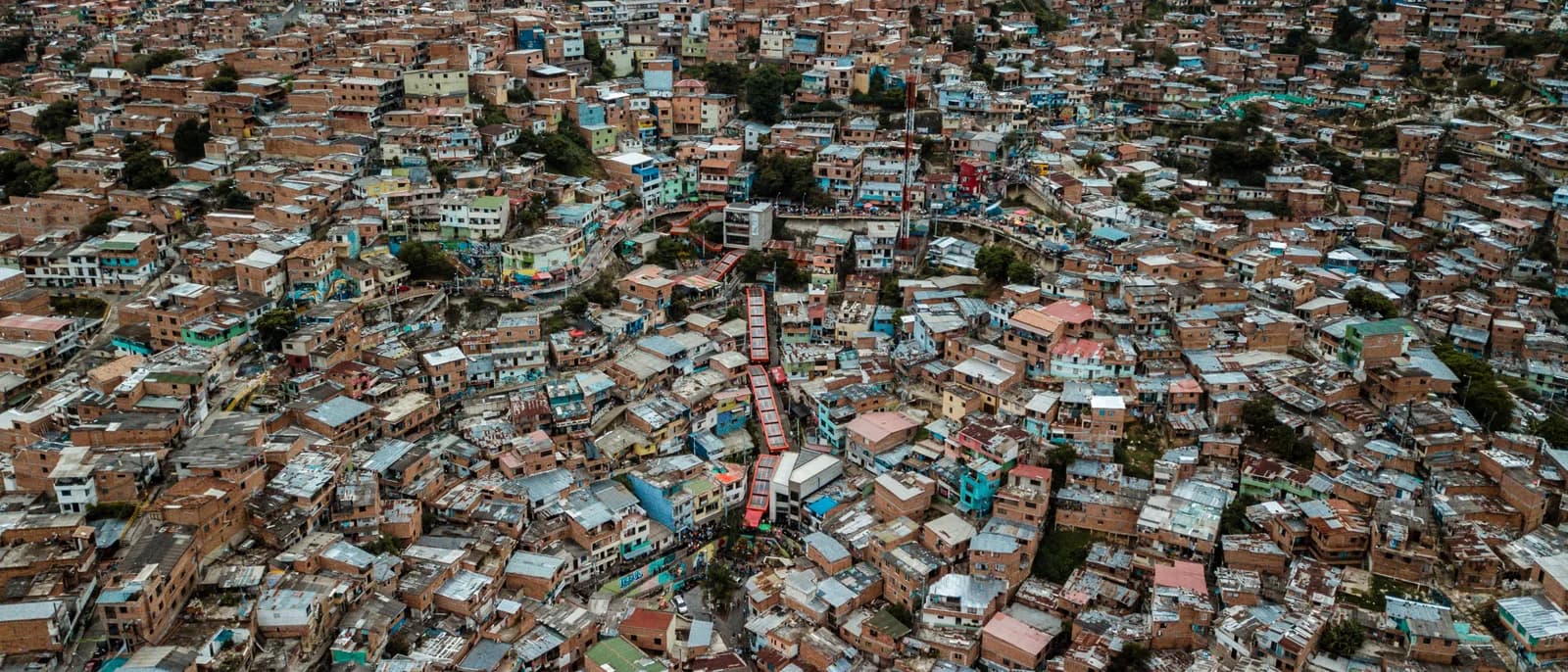
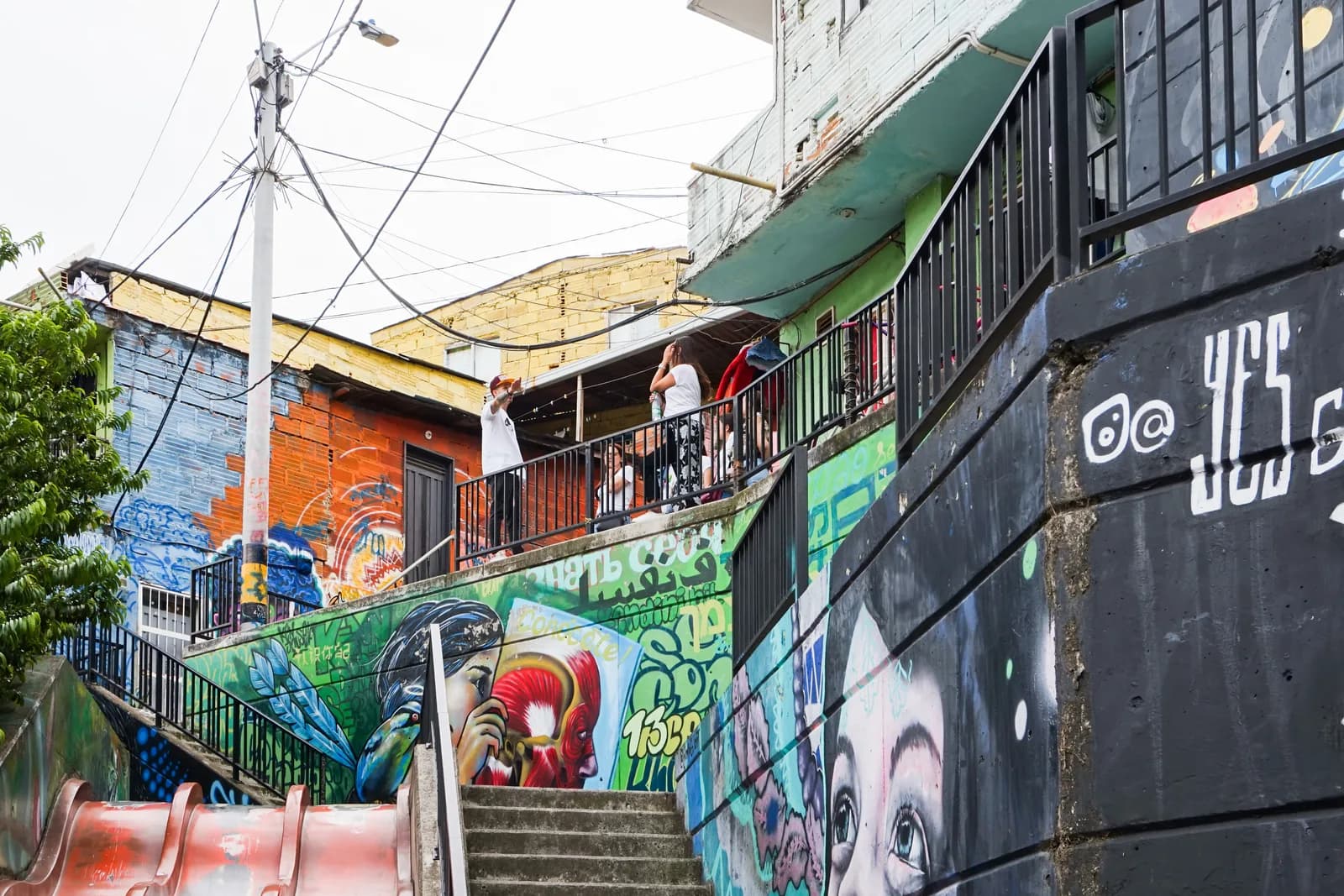
Comuna 13 is the reverse. The graffiti tours feel safe precisely because there are so many tourists, and recent solo female travellers say the same. The catch is the weekend crush, which is when phones disappear. Weekday morning, leave before dark.
The bar situation is the one people underestimate. A 2026 Medellín safety guide put it plainly: druggings happen in what look like normal bars, not obviously sketchy ones, and sometimes with staff involved. Parque Lleras has been through a serious crackdown since 2024, with bar hours cut from 4am to 1am in El Poblado and Provenza and a six-month prostitution ban around the parks. Enforcement continues: 26 foreigners were denied entry at Rionegro airport in 2026 over suspected sexual-exploitation links, out of about 80 there in 2025.
Where to stay in Medellín
Your zone choice here is a safety decision, not just a comfort one. This is the short version — the full where-to-stay-in-Medellín comparison goes zone by zone with prices and travel-style picks.
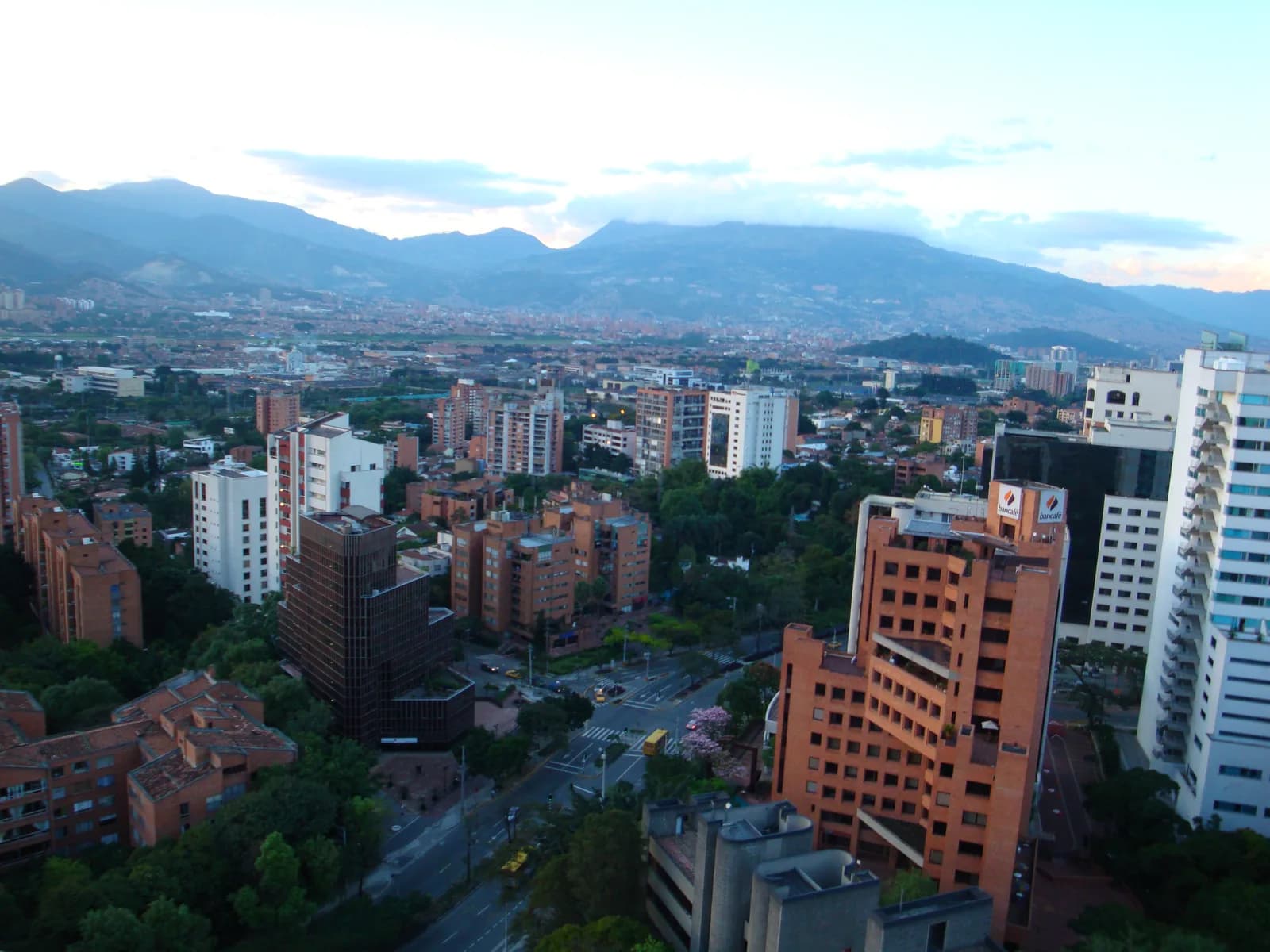
Laureles, stay here if you want the best risk-to-fun ratio in the city. Leafy, flat, walkable, with La 70 covering nightlife and a strong café and nomad scene. Time Out named it one of the world's coolest neighbourhoods in 2023 and it's the neighbourhood every recent safety guide points at first. Trade-off: fewer tourist services and less English than El Poblado.
Envigado, stay here if you're staying a month or you want family-town quiet. Cheaper, well-organised, its own metro station, and a much lower crime profile. Trade-off: you're committing to a metro ride for most nightlife.
El Poblado, stay here if you want everything within walking distance and accept the trade. This is where the hostels, the restaurants and the nightlife concentrate, and it's also where pickpockets and drink-spikers go fishing. Los Patios (dorms around $17 USD, privates near $77, rated 9.5 on Hostelworld with a rooftop pool and a Spanish school) and Masaya (dorms around $19) are the two names that come up in nearly every recent list.
El Centro, don't. Cheap rooms exist. It's not worth it, and no recent guide recommends sleeping there.
Travel-style picks
If you're a first-timer, Laureles. Safe, walkable, real neighbourhood, still fun.
If you're on a budget, El Poblado hostel dorms at $16-19, or Hostel Metro in Floresta around $17 if you want a quieter solo base.
If you want comfort, El Poblado boutiques. Be aware Click Clack has a reputation among travellers as a working-girl hotel, which may or may not be what you want from a lobby.
If you're a digital nomad or staying a month, Laureles or Envigado. Better value, better wifi culture, far less tourist-targeting.
Things to do without giving papaya
No dar papaya is the governing maxim here, and it's the most useful piece of Colombian slang you'll learn. Roughly: don't hand someone an easy opportunity. It's not victim-blaming, it's ambient common sense, and locals apply it to themselves constantly. The shortlist below covers the essentials; the full things-to-do-in-Medellín guide ranks everything properly, including what to skip.
- Comuna 13 graffiti tour, the signature Medellín experience, and the guided version is worth it for the politics and the history rather than just the murals. Weekday morning.
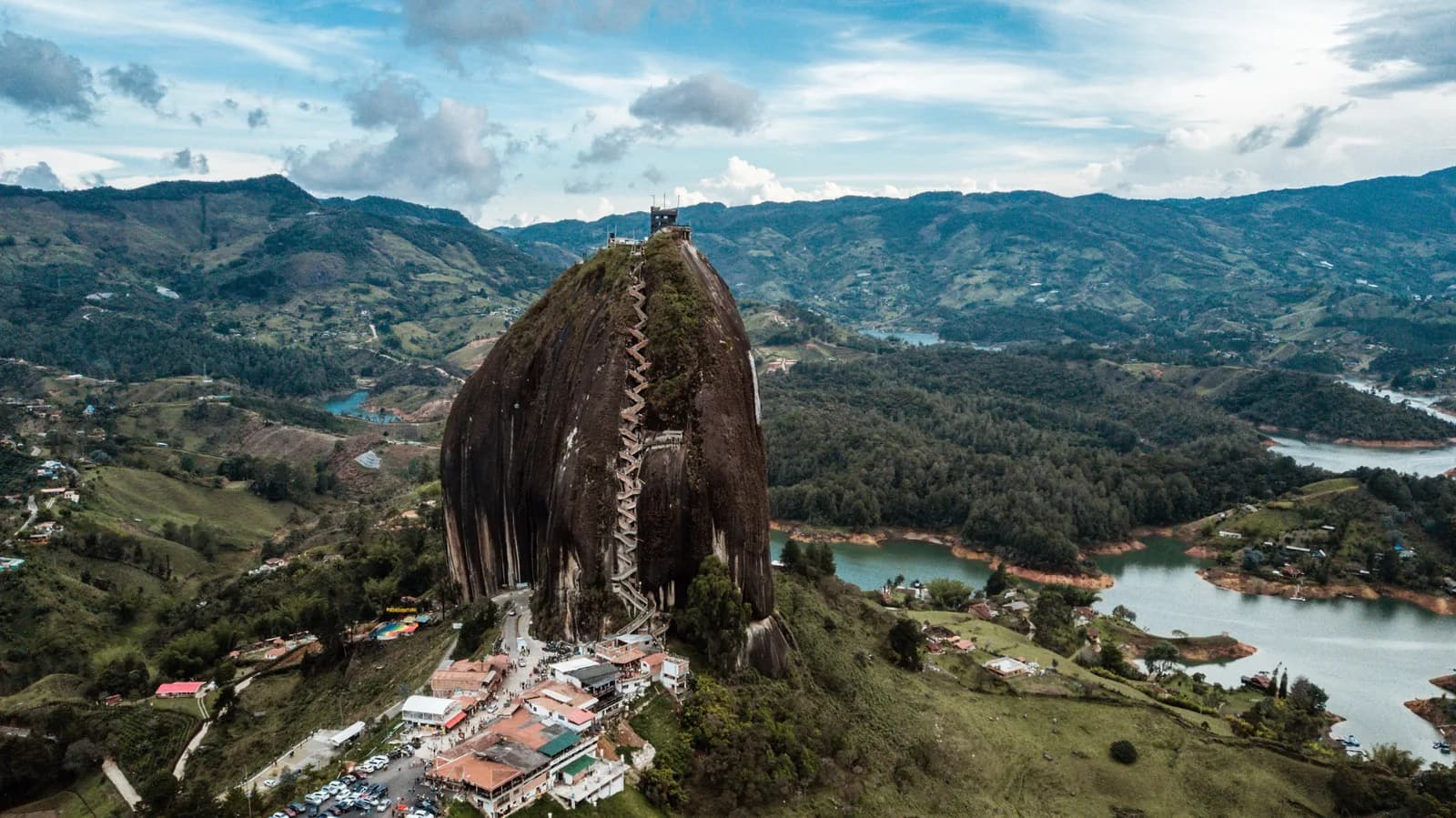
- Guatapé and El Peñol day trip, the most-booked day trip out of the city, around two hours each way.
- Plaza Botero and the Museo de Antioquia, free to walk, daylight only, phone in your pocket.
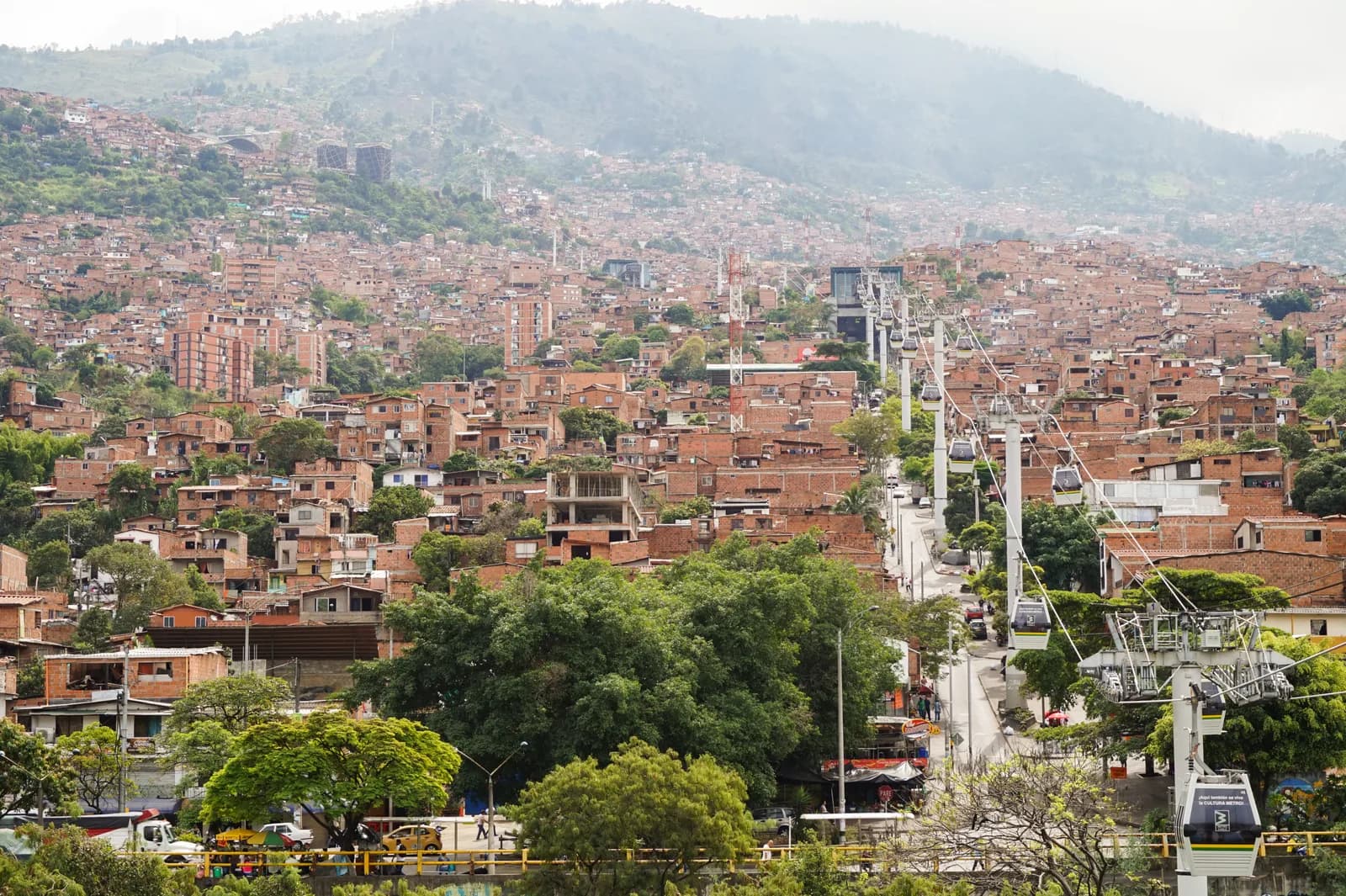
- The Metrocable, the cable cars that are part of the actual public transport network rather than a tourist ride. Line K up to Santo Domingo is the classic, and it's the best-value view in the city.
- Medellín food tour, the low-risk way to eat well without wandering into the wrong block.
- Parque Arví, reachable by Metrocable Line L, a full green escape above the valley.
Getting around and when to go
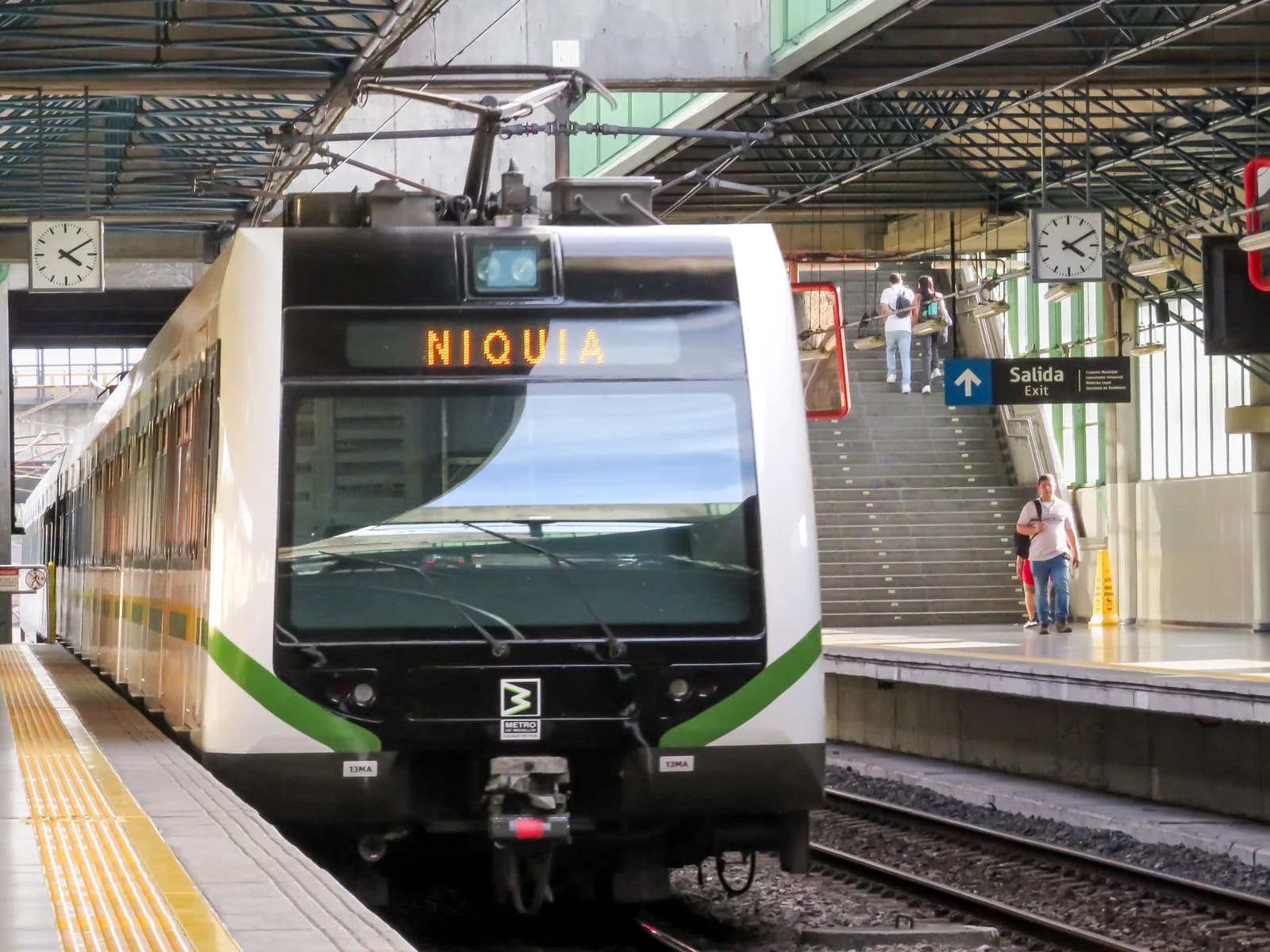
The Medellín metro is Colombia's only metro and the city treats it as a civic achievement, which it is. It's spotless, nobody eats on it, and it's the single safest way to move around. The 2026 flat fare is 3,820 COP with a Cívica card or about 4,400 COP on an occasional card, metrocable transfers included, and one occasional card can be shared between travellers. There are no day passes.
For cars, Uber is the standard tourist recommendation and has a good safety reputation locally, despite living in a regulatory grey zone. It can't pick up at the MDE arrivals curb, so you walk two to five minutes to the parking structure. The official airport taxi is roughly 100,000-120,000 COP ($25-30 USD). Locals use InDrive, but there's a documented February 2026 case of a foreigner charged 1.6 million COP (about $370, roughly 15 times normal) from the airport, so it's the wrong tool for a jet-lagged arrival.
One more: motochorros, the motorbike phone-snatchers, got noticeably worse through 2023-24. The snatch takes about a second. Keep the phone away, and step into a doorway if you need to check a map.
On timing, the eternal-spring thing is true (17-28°C year-round) but the rain isn't evenly spread, and I picked wrong. It rained on me nearly every day. Rainy seasons are April-May and September-November, with October and November the wettest, usually as short violent afternoon downpours. December-March and July-August are the dry windows. Feria de las Flores runs 1-10 August in 2026.
Budget breakdown (per day, USD)
| Item | Backpacker | Mid-range | Comfort |
|---|---|---|---|
| Accommodation | $16-25 (dorm) | $50-120 | $180-350 |
| Meals (3/day) | $10-20 | $30-55 | $75-150 |
| Transit (metro / Uber) | $2-6 | $8-18 | $25-45 |
| Activities | $5-15 | $25-50 | $60-160 |
| Daily total | $33-66 | $113-243 | $340-705 |
A week in Medellín runs roughly $230-460 backpacking, $800-1,700 mid-range.
Recommendations
What I'd actually tell a mate before they went:
- Watch your drink like it's your passport. Never leave it, never accept one you didn't watch get poured, and don't finish one you left on a table.
- Treat dating apps as public-place-only. No hotel room, no apartment, no exceptions. This is the pattern the US Embassy specifically warned about.
- Forget the poisoned business card. Believing it makes you feel safe while you're being careless about the drink, which is how 75% of cases actually happen.
- Stay in Laureles or Envigado over El Poblado unless you specifically want the tourist strip.
- Use Uber or the metro. Skip InDrive from the airport, especially at night.
- Keep your phone in your pocket on the street. Motochorros need one second, and Google Maps in your hand is an invitation.
- El Centro in daylight only, with your bag on your front. Never after dark.
- Do Comuna 13 on a weekday morning, not a Saturday afternoon.
- Learn no dar papaya and actually apply it. It's the local operating system.
- Take the metro at least once even if you're Uber-ing everywhere else. It's cheap, immaculate, and paisas are quietly proud of it.
- If something does happen, know that scopolamine clears in about 12 hours, so report it fast if you want any chance of it being documented.
Final note
I got got in Medellín. I ignored a warning that was wrong in its details and right in its direction, and I paid for it with a few hours I don't remember and a bunch of stuff I don't have.
And I'd still tell you to go. The homicide rate is the lowest in 82 years. The metro is a genuine marvel. The food, the reggaeton, the slang, the weather, the people: I love that country, and Medellín is a big part of why. The risk in Medellín isn't ambient danger you can feel in the street. It's specific, it's targeted at foreigners, and it comes through people being nice to you. That's an unpleasant thing to internalise, and it's also the whole trick.
Order your own drinks. Watch them get poured. Then go and enjoy the best city in Colombia.
For the rest of your Medellín planning, the where to stay comparison and the things to do guide pick up where this post leaves off, and if you're torn between here and the coast, Cartagena vs Medellín settles it. If you're routing the rest of the country, being Asian in Colombia covers the city-by-city experience, and the where to stay in Cartagena, things to do in Cartagena and is Cartagena worth it guides cover the coast. The where to stay in Bogotá and things to do in Bogotá posts cover the capital, and my first day in Cartagena is where this whole trip started.
Frequently asked
Is Medellín safe for tourists in 2026?
Mostly, and it's safer than its reputation suggests. Medellín recorded 300 homicides in 2024, a rate of 11.04 per 100,000 and the lowest in 82 years, which puts it below Cartagena (37.4) and Cali (40.5). The real tourist risk isn't violence, it's drugging and robbery, usually via spiked drinks and dating apps. Colombia sits at the US State Department's Level 3 'Reconsider Travel' advisory as of March 2026.
What is scopolamine and how common is it in Colombia?
Scopolamine, known locally as burundanga or 'devil's breath', is a drug that leaves victims compliant and wipes 4-6 hours of memory. The US State Department estimates roughly 50,000 incidents a year across Colombia. A Universidad CES study found the majority are administered through a spiked drink, not the exotic methods you'll read about online. It clears the body in about 12 hours, which is why reporting and statistics are patchy.
Are poisoned business cards in Medellín real?
No. It's a long-debunked urban legend. Scopolamine is odourless and tasteless and has to be ingested or inhaled in a meaningful dose; the amount absorbed through briefly touching a business card or flyer is medically implausible. Snopes, the Bogotá Post and Colombia One have all knocked it down. Around 75% of real cases come from a spiked drink, which is what you should actually be watching.
Which is the safest neighborhood to stay in Medellín?
Laureles, by consensus across recent safety guides. It's leafy, walkable, residential, has its own nightlife on La 70, and sees noticeably less petty theft than El Poblado. Envigado is the other strong pick, quieter and cheaper, and is often described as one of the best-organised municipalities in the metro area. El Poblado has the most tourist infrastructure but the most pickpocketing.
Are dating apps dangerous in Medellín?
This is the single most documented crime pattern against foreigners in the city. The US Embassy issued a security alert in January 2024 after eight suspicious deaths of American citizens in Medellín over two months, several tied to dating apps. Criminals work in teams, and Medellín police have arrested multiple all-female gangs running the scheme. If you use them, meet in a public place only and never go to a hotel room or residence.
Is Comuna 13 safe to visit?
Yes, during the day, and the tourist volume is a big part of why. Recent visitors including solo women consistently report feeling safe on the graffiti tours. Go on a weekday morning; weekends are extremely crowded and that's when phones get lifted. Leave before dark, when the tourist crowd and the police presence both thin out.
Is Uber safe in Medellín?
Uber is the standard recommendation for tourists and has a good safety reputation in the city, though it operates in a legal grey zone. It can't collect from the arrivals curb at MDE airport, so you walk 2-5 minutes to the parking structure. The official airport taxi runs roughly 100,000-120,000 COP (about $25-30 USD). Avoid InDrive at the airport late at night; a foreigner was charged 1.6 million COP there in February 2026.
Is Medellín safe at night?
It depends entirely on where. El Poblado, Provenza and Laureles are fine for normal nightlife with normal precautions. El Centro is the one to avoid outright after dark, along with Aranjuez, Manrique and anywhere north of Avenida 33. The bigger night risk isn't the street, it's the bar: druggings happen in normal-looking venues, sometimes with staff involved.