Is Shenzhen Worth Visiting? An Honest Verdict
Is Shenzhen worth visiting? Honest verdict from someone who went: who it suits, who should skip it, how it stacks up against Hong Kong and Guangzhou.
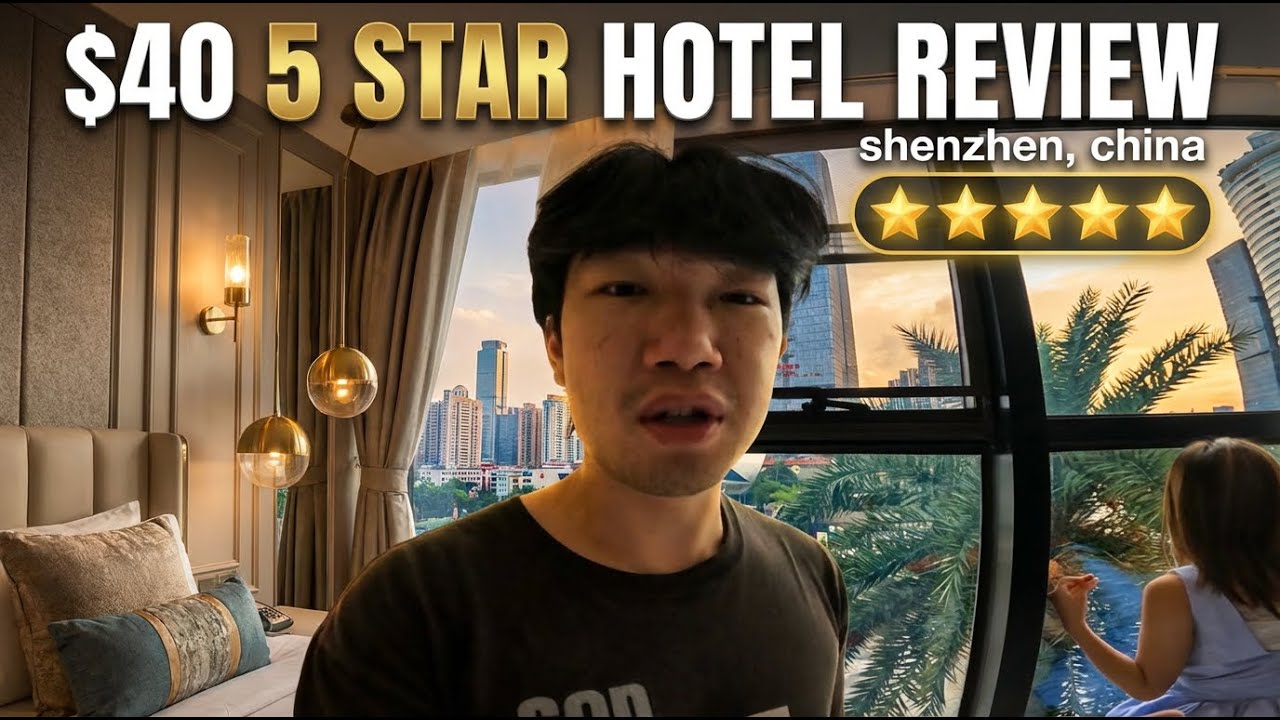
Shenzhen is the city I keep having to defend to other travellers. One well-travelled camp calls it the most boring big city in China: no old town, no temples, nothing to photograph but glass. The other camp, and I'm in it, came home with a bag of electronics, a $40 five-star hotel story and a strange new respect for Chinese spa culture. Both camps are describing the same city accurately. That's the whole problem with the "is Shenzhen worth visiting" question, and it's why the answer has to be about you, not about Shenzhen.
I've been. I bargained in the world's biggest electronics market, came out of the jewellery district with a haul, and ended a night at China's biggest Latino party. So here's the verdict post I wish I'd read first: who Shenzhen rewards, who it bores, how it stacks up against Hong Kong and Guangzhou, and how many days it deserves.
The short verdict
Worth it, with one big condition: you have to want what Shenzhen actually sells. It sells scale, value, food and the future. It does not sell history, charm or postcard China. Rate it as a wander-around-and-gawk city and it's one of the best in Asia. Rate it as a sightseeing city and it might be the worst big city in China.
| You are... | Verdict | Why |
|---|---|---|
| Curious about tech, markets, gadgets | Go, 2-3 days | Huaqiangbei alone justifies the trip |
| A food traveller | Go | Cuisine from every Chinese province, at Shenzhen prices |
| Already in Hong Kong | Go for a day minimum | 15-minute train, visa-free for most passports |
| After temples, old towns, "real China" | Skip, or 1 day max | One historic block in the whole city |
| A museum and gallery person | Skip | The weakest category here, and reviews agree |
| Travelling with kids | Go | Safari park, theme parks, parks everywhere |
| A first-timer building a China route | Go, as the easy entry point | Softest landing in the country, then go inland |
The rest of this post is the evidence for that table, complaints included.
The strongest reasons to go
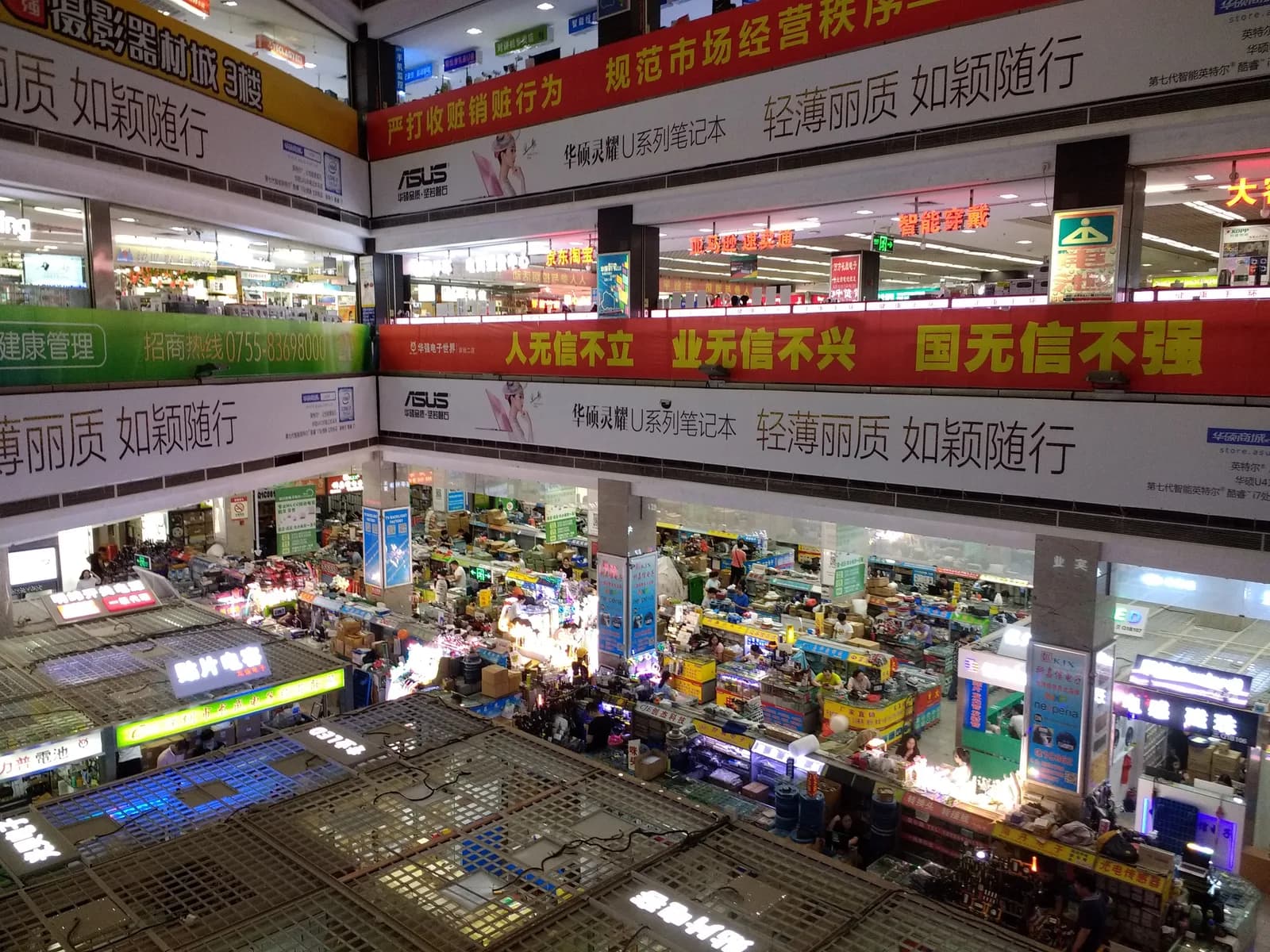
The markets are genuinely world-class weird. Huaqiangbei is over 200,000 square metres of electronics across 20,000-plus sellers, and I walked in for a look and lost three hours to it. Even the sceptics concede the spectacle; a March 2025 visitor report the hardware crowd passed around found a $12.50 module there that sells for $47 shipped from Texas. Shuibei, the jewellery district, sells gold by the gram near spot price and has floors of $10 pieces styled after luxury houses. Neither has an equivalent anywhere else, and both are free to wander. The things to do in Shenzhen guide ranks the full list.
The value is absurd, and Hong Kongers prove it. The most convincing data point for Shenzhen isn't a travel blog, it's foot traffic: Hong Kong residents were making around 6 million border trips a month by 2024, and during Easter 2025 about 1.6 million of them headed to the mainland in four days, mostly for exactly the things a visitor wants: meals, massages, shopping. Half a Peking duck for the price of a Hong Kong coffee. When the rich neighbouring city treats your city as the cheap weekend out, the value argument is settled.
The food punches way above the price. Shenzhen is a city of migrants from every Chinese province, so the eating is Sichuan, Hunan, Cantonese, Chaoshan and everything between. The local-ish signatures are coconut chicken hotpot and claypot rice, and the best eating zones are Shekou's seaside streets and the Luohu underground food court, not the malls. We also found China's highest-rated Mexican restaurant here and stayed for the reggaeton, which tells you something about how strange and international this city's fun can get.
The spa culture has no Western equivalent. One entry fee (from about 200 RMB) buys a bathhouse, buffet, nap rooms, gaming lounges and permission to stay all night; National Geographic called China's 24-hour spas one of the hottest travel trends going, and our top-to-bottom run cost about $80 USD and was comfortably worth it. Some complexes legitimately replace a hotel night.
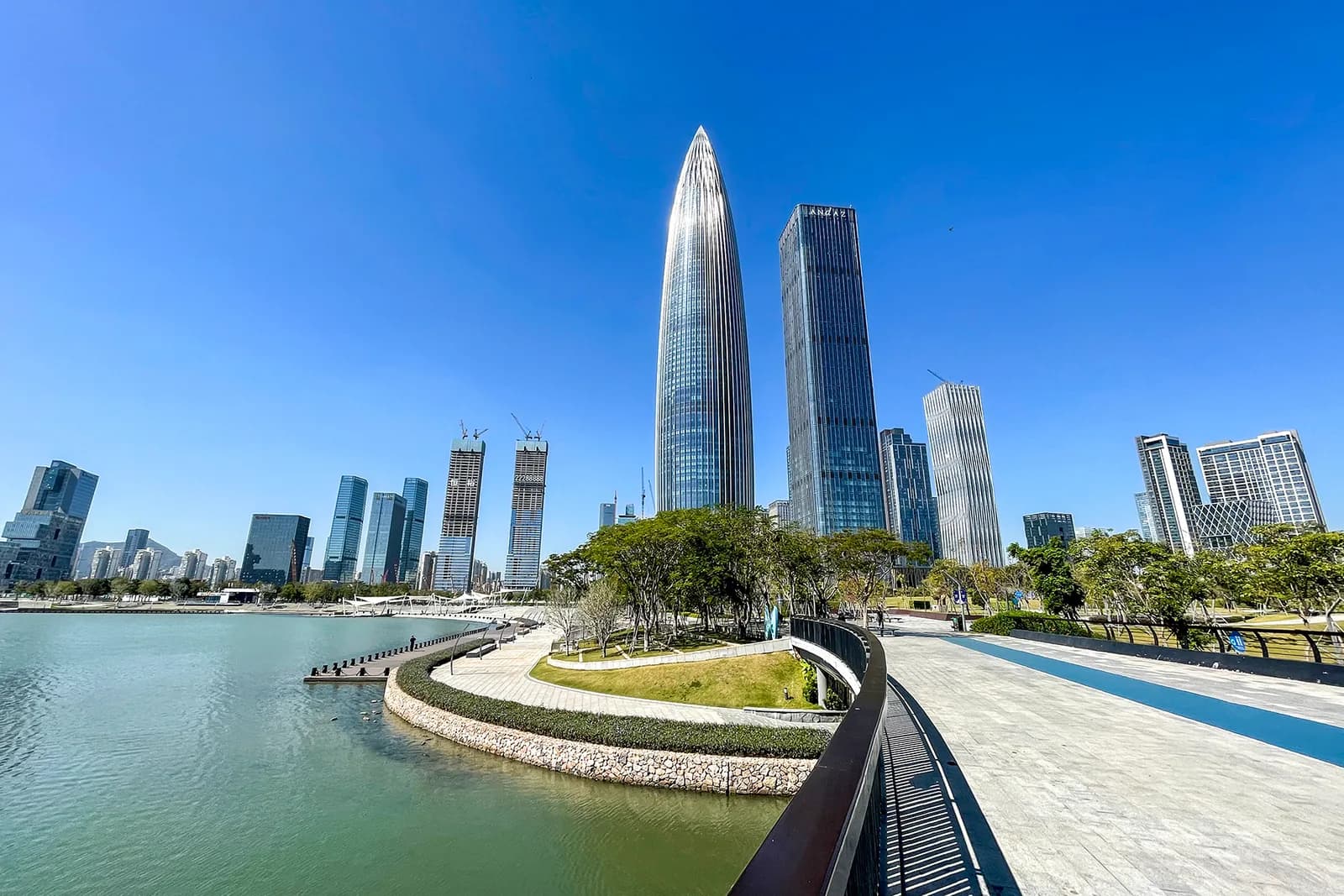
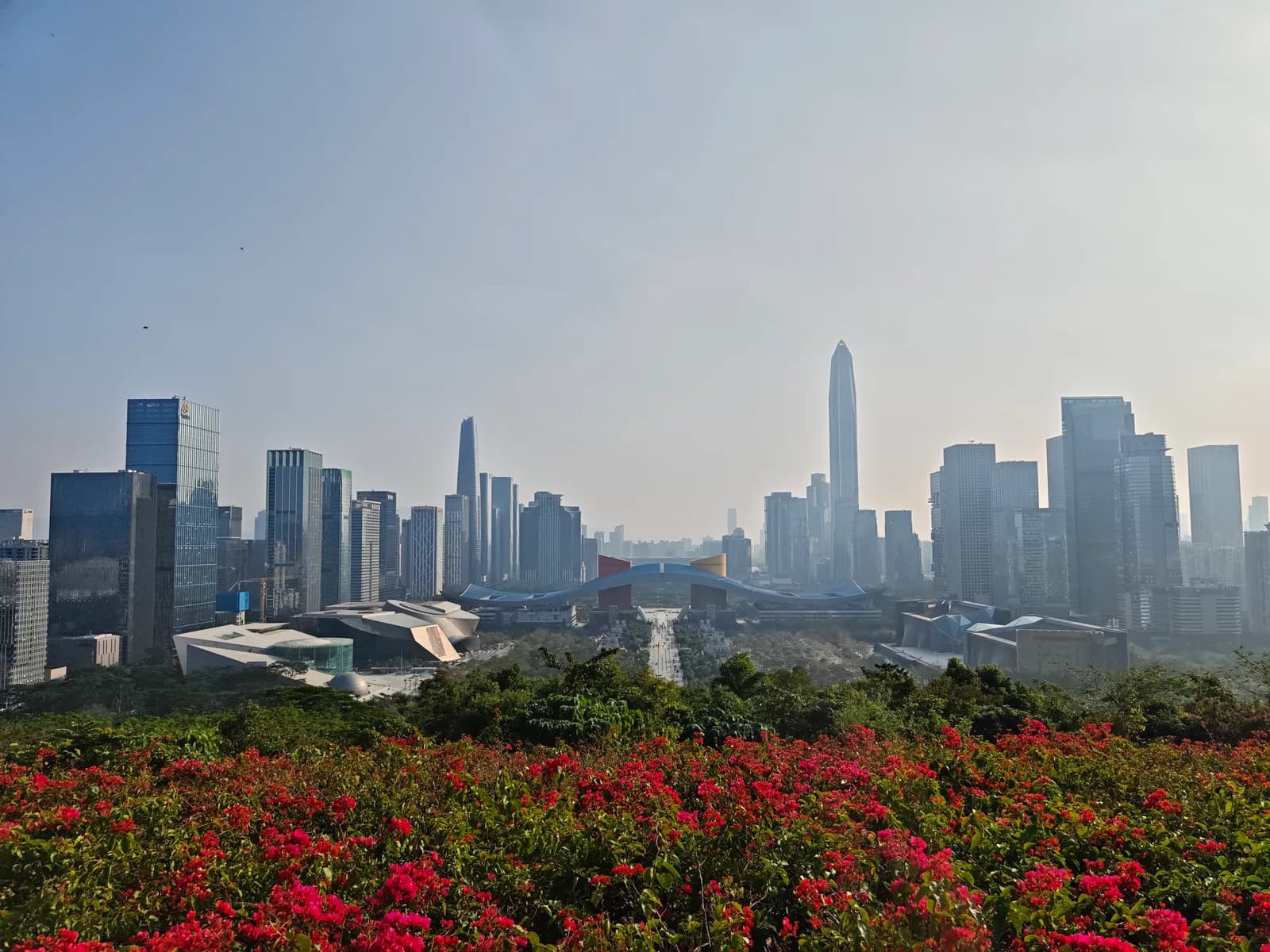
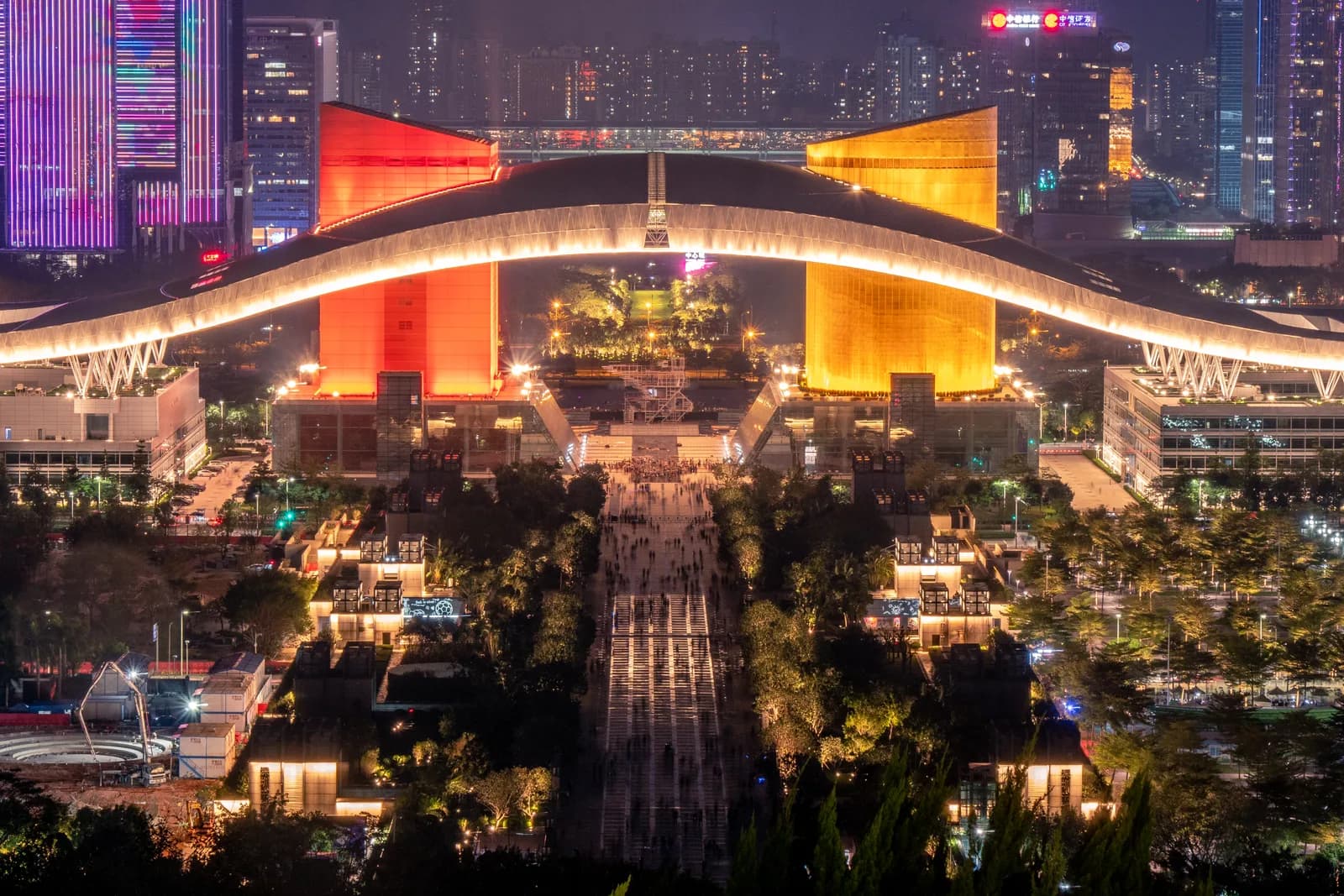
The parks, the bay and the future stuff. Shenzhen has more than a thousand parks, a 13-kilometre coastal path at Shenzhen Bay, and the best free evening in China when the Futian skyline runs its light show. The robotaxi thing is real, not a demo: Pony.ai runs driverless cabs across a 60-square-kilometre zone of Nanshan and Qianhai for ¥8-18 a ride, and Meituan drones deliver coffee to kiosks at Talent Park. Riders in 2025 kept using the same word for it: surreal. The friction is real too (the apps want a Chinese phone number, so most visitors do it through a guided tech tour on Klook or their hotel), but this is the one city where "the future" is an actual itinerary item.
The common complaints, and which ones are fair
I'm not going to pretend the sceptics are wrong. Most of their complaints are accurate observations; the question is how much each one matters to you.
"There's no history or culture." Fair. Shenzhen was a cluster of fishing villages and farmland forty-odd years ago. The one genuinely old area is Nantou Ancient City, a restored walled county seat, and it's a couple of hours, not a day. If your China trip is about dynasties and temples, Shenzhen gives you almost nothing, and you should spend your time in Guangzhou or inland instead. That's not a flaw exactly, it's the product. But you should know what you're buying.
"It's spread out with no real centre." Fair, and the most practical complaint. A November 2025 trip report described it as office parks scattered across a grid, and the shape of the complaint is right: Shenzhen is four or five city centres that grew simultaneously, 30-60 minutes apart by metro. Visitors who hotel-hop or criss-cross districts spend their trip underground and go home unimpressed. The fix is cheap: one district per day, exactly how the 3-day Shenzhen itinerary is built.
"The tech city is less futuristic than the marketing." Partly fair. The same November 2025 writer went looking for self-driving cars downtown, saw none, and concluded it was no more advanced than San Francisco. The robotaxis exist, but in a defined Nanshan zone, not everywhere, and the street-level future is quieter than YouTube thumbnails imply: it's in delivery drones, EV silence and payment apps, not flying cars. If you go expecting Blade Runner you'll come back calling it shiny but soulless, which is a direct quote from that report.
"Huaqiangbei rips off tourists." Fair warning, wrong conclusion. Retail stalls absolutely quote tourist prices; one 2025 visitor was asked 500 RMB for a console listing at 350 online, and a lot of the consumer-facing floors are knockoffs that cost more than the same thing on Amazon. Go to gawk, haggle cheerfully, bench-test anything you buy, and treat purchases as a bonus rather than the point.
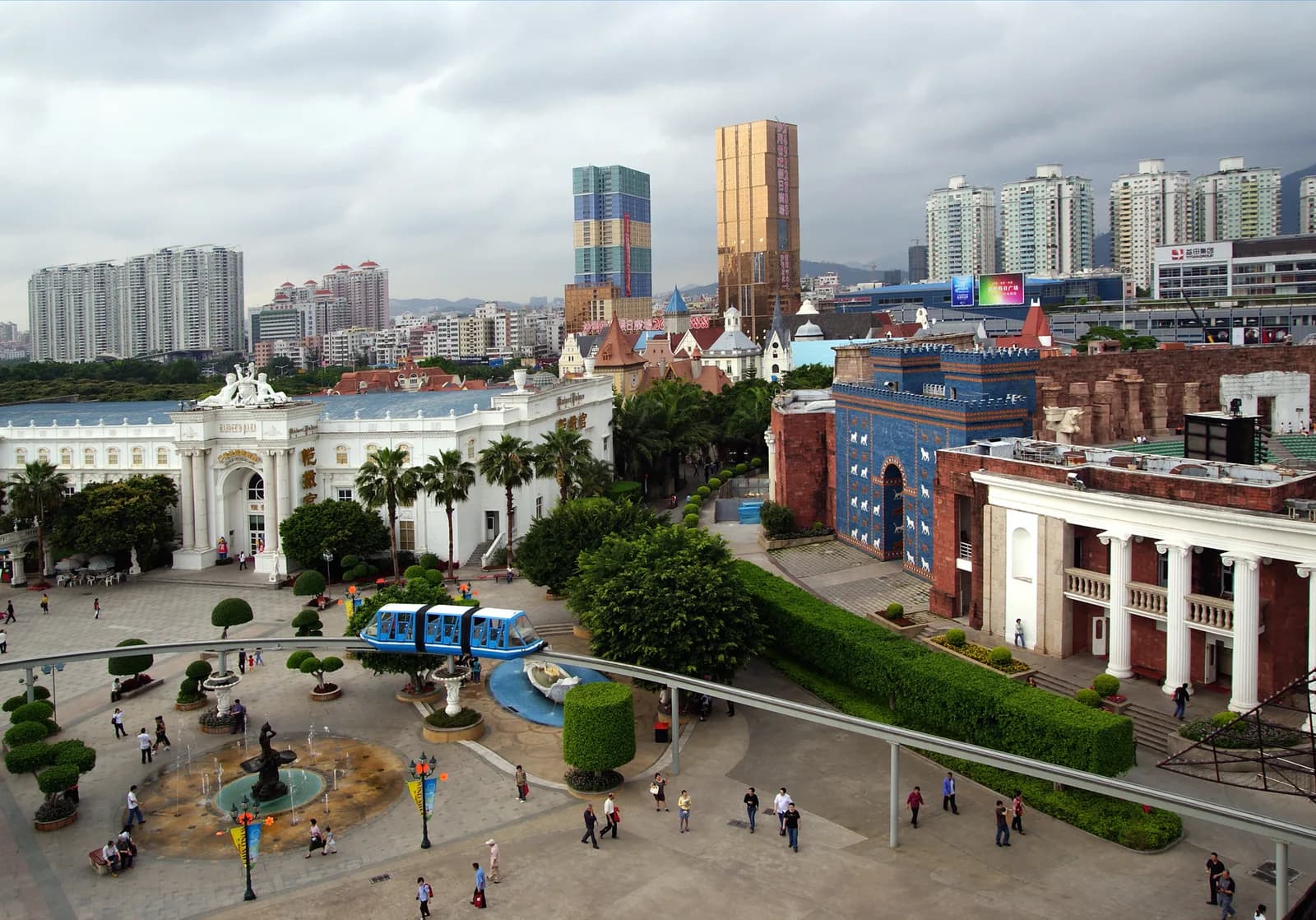
"The classic attractions are tired." Fair. Window of the World, the miniature-landmarks park, gets 2025-26 reviews describing broken monorails, mould and crowds, with families calling it a waste of money. Dongmen pedestrian street is the most-skippable famous thing in the city. Skip both without guilt; the good Shenzhen is the markets, food streets, parks and spas, not the ticketed attractions.
Who should go, who should skip it
Go if: you enjoy cities as living systems rather than museum pieces; you want the world's biggest electronics market, gold by the gram, or a lab-grown diamond at a price that makes Western retail look silly; you're a food traveller; you're in Hong Kong with a spare day and a passport on the visa-free list; you're starting a longer China trip and want the softest possible landing before heading inland to places like Guiyang or the Guizhou mountains; or you're travelling with kids, because the parks, safari park and tech gimmicks are made for them.
Skip it (or cap it at a day trip) if: your China is temples, hutongs and dynastic history; you rate cities by their museums and galleries; you have seven days for all of China, in which case Beijing, Xi'an or Yunnan earn the slot; or you hate haggling, malls and crowds equally, because that combination removes most of what Shenzhen does well.
The 3-month backpacker who called Shenzhen the most boring big city in China wasn't lying. Neither are the visitors who call it the best-run, best-value city they've seen. They're just different travellers. Work out which one you are before you book, not after.
Shenzhen vs Hong Kong vs Guangzhou as a stop
The three cities sit within an hour of each other, so most people are choosing how to split days, not which one to fly to.
| Shenzhen | Hong Kong | Guangzhou | |
|---|---|---|---|
| Best for | Markets, tech, value, food streets | Skyline, hiking, dim sum, ease of English | Cantonese food heritage, old streets, temples |
| History on show | One restored block (Nantou) | Colonial layers everywhere | The real thing, centuries of it |
| Cost level | Cheapest of the three by far | Most expensive | Middle |
| From West Kowloon | ~15 min, ~HK$86 | n/a | ~56 min, ~HK$215 |
| As a day trip from HK | Excellent, built for it | n/a | Possible but rushed |
| Days deserved | 1-3 | 3-4 | 2 |
Two honest notes on that table. First, a March 2026 cross-border guide put it bluntly: a Guangzhou day trip is "mathematically possible but intellectually dishonest," because you'll spend more time in stations than in the city, while Shenzhen works in a tight ten-hour loop. One spare mainland day from Hong Kong goes to Shenzhen on logistics alone. Second, don't treat Shenzhen as a budget substitute for Hong Kong; they're not the same product. Hong Kong is the sight. Shenzhen is the experience economy next door where the same money buys triple, and the strongest Greater Bay Area trip uses both, exactly the way locals on either side of the border already do. Guangzhou earns its own two nights on a food-first trip and beats Shenzhen comfortably on culture; it just doesn't fit in a day.
How many days does Shenzhen deserve?
One day if you're based in Hong Kong: Huaqiangbei in the morning, Lianhuashan Park and the Civic Center in the afternoon, the skyline light show after dark, train home. Leave before 9am to beat the queues, and remember Huanggang is the only 24-hour crossing if the night runs long.
Two to three days is the sweet spot, and it's what I'd argue for. Three days covers the markets, the Nanshan-Shekou seaside day and the Luohu shopping-and-spa day without rushing, one district per day. The full 3-day itinerary sequences it; the things to do post is the menu it draws from.
Four or more days only earns its keep with kids (add the safari park), a Dameisha beach run, or remote work. The sights thin out after day three, and that's the cue to take the high-speed rail inland, where Guizhou's rail loop, Fanjingshan and Zhenyuan's river town are the exact opposite of everything Shenzhen just showed you.
Where to stay if you go
The rule that matters more than the district: sleep within a 5-10 minute walk of a metro station. The full where to stay in Shenzhen guide compares the zones properly, including the $40 five-star economics; the short version:
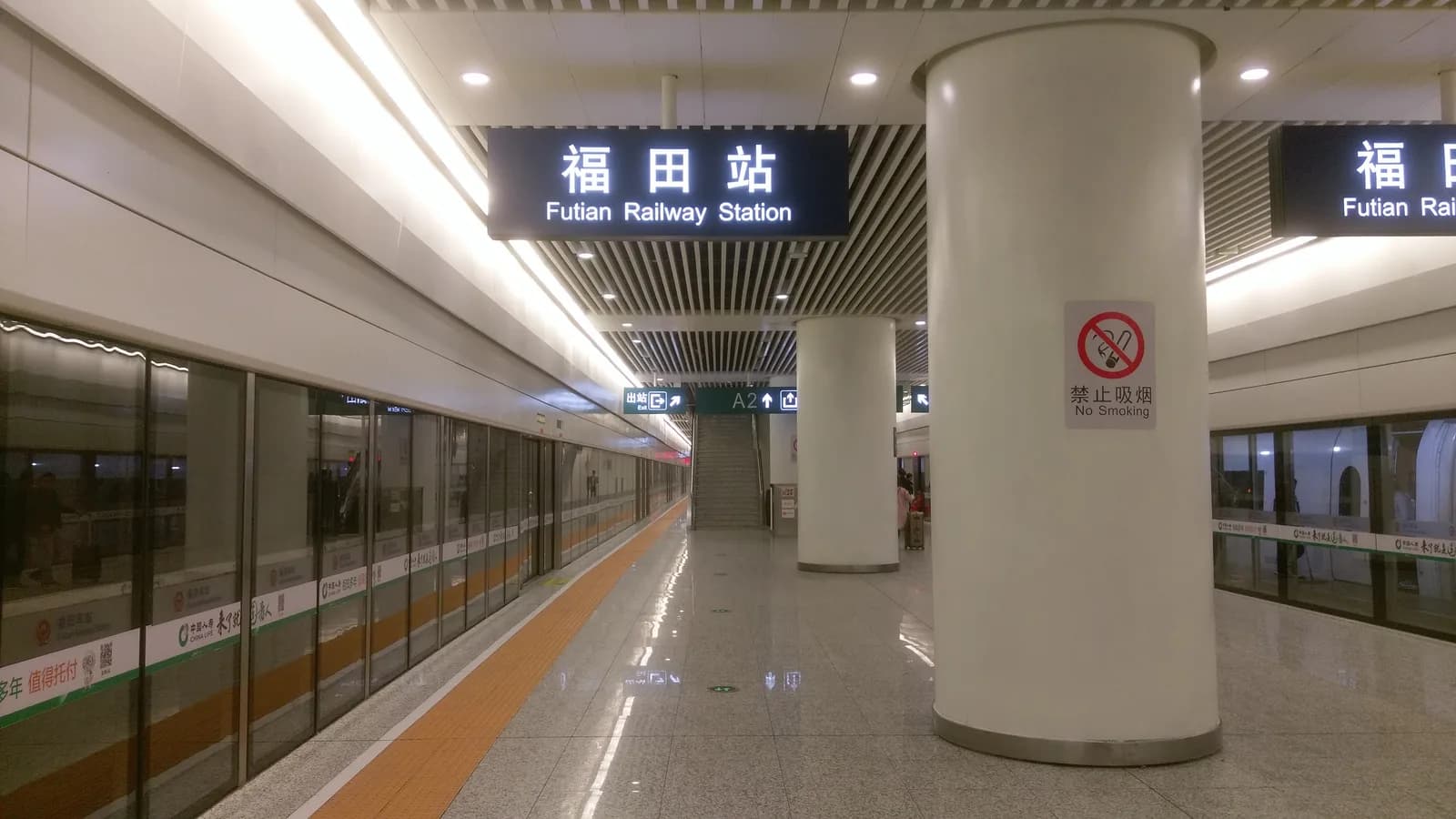
- Futian: the first-timer pick. Seven metro lines, the HSR terminus from Hong Kong, Huaqiangbei and the light show on your doorstep.
- Luohu: the budget pick, rooms from $28-50, with Shuibei and the Hong Kong border walkable. Older and more chaotic.
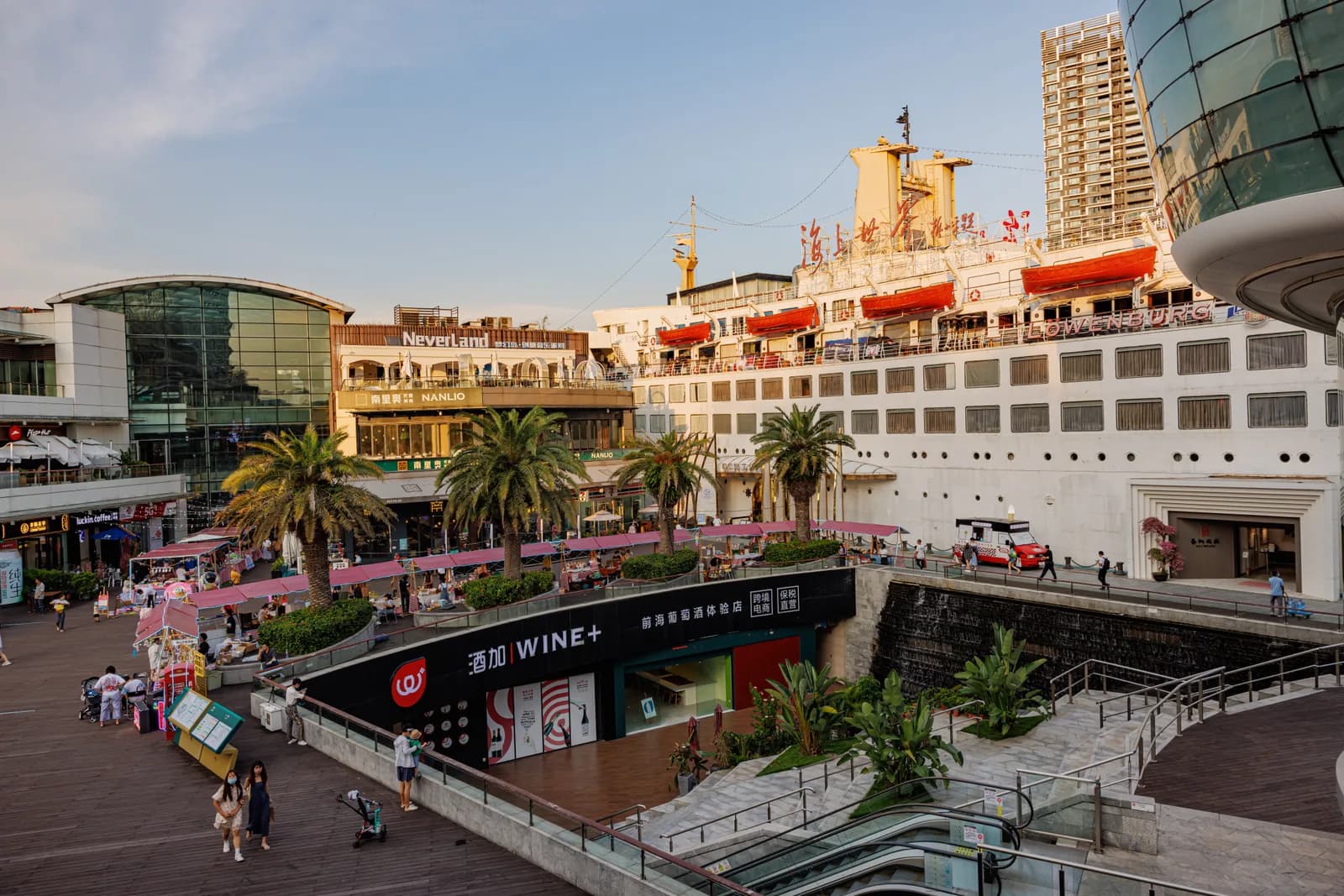
- Shekou / Nanshan: seaside, English-friendly, the best food streets. Pick for families, nomads and longer stays.
- Bao'an: airport nights only.
Shenzhen is also where a five-star costs what a three-star does elsewhere: the St. Regis checks you in on the 96th floor for around a third of Tokyo prices. Trip.com usually matches or beats other platforms for mainland hotels and takes foreign cards, so cross-check rates there before booking. Book 3-4 weeks out normally, 2-3 months out if your dates touch the Canton Fair in April or October, when the whole city's prices spike.
Getting there and when to go
From Hong Kong, the high-speed rail from West Kowloon to Futian takes about 14-15 minutes for roughly HK$86 second class; book on Trip.com or the 12306 English app. The cheap route is the MTR East Rail to Lo Wu and Metro Line 1, about 60-75 minutes. Flying into Hong Kong airport, the SkyPier ferry runs straight to Shekou without clearing Hong Kong immigration. Shenzhen's own airport, Bao'an, sits on Metro Lines 1 and 11.
Visas are the easiest they've ever been: 30-day visa-free entry covers 70-plus countries including New Zealand and the UK, US passports use the 240-hour transit (Hong Kong counts as the third region), and visa-free entries through Shenzhen's airport jumped 160% in 2025, so the border has the routine down. Before you fly: set up Alipay or WeChat Pay with a foreign card, and get a travel eSIM so Google Maps works without a VPN. Cash is genuinely awkward here now.
Best months are October to December, warm and dry. January to March is grey but cheap and fine for a markets-and-food trip. Summer is hot, humid and typhoon-prone; a local guide's honest warning is that June to September will cook you like the coconut chicken. Check the Canton Fair calendar before you lock dates.
What it costs (per day, USD)
| Item | Backpacker | Mid-range | Comfort |
|---|---|---|---|
| Accommodation | $12-30 | $50-140 | $180-400 |
| Meals (3/day) | $8-18 | $25-50 | $70-150 |
| Metro / DiDi | $2-5 | $6-15 | $20-40 |
| Activities | $0-15 | $25-55 | $60-150 |
| Daily total | $22-68 | $106-260 | $330-740 |
Most of the best of Shenzhen (Huaqiangbei, Shuibei, Nantou, the bay parks, the light show) is free to walk. Your money goes on food, the spa, and whatever the markets talk you into. Paid things worth pre-booking: the Ping An Finance Centre observation deck (around 200 RMB) and a robotaxi-and-drones tech tour if the future is your reason for coming.
Recommendations
- Decide what traveller you are first. Shenzhen rewards market-wanderers and food people; it bores sightseers, and no itinerary fixes that.
- Give it 2-3 days on a Guangdong trip, or one day from Hong Kong. Don't give it a week.
- Do one district per day: Futian, then Nanshan-Shekou, then Luohu. Criss-crossing zones is how the city ends up feeling like metro tunnels.
- Go to Huaqiangbei to look, not to buy. Haggle as a cheerful opening move and test anything electronic before paying.
- Skip Window of the World and Dongmen; recent reviews of both back this up. Spend the time in Shekou or at the spa instead.
- Time Shenzhen Bay or Lianhuashan for the hour before sunset and stay for the light show; the best of Shenzhen is free and happens after dark.
- Book the robotaxi experience through a tour or your hotel; the apps want a Chinese phone number and most of the zone is in Nanshan.
- Set up Alipay or WeChat Pay before you fly and carry a travel eSIM; those two things decide whether Shenzhen feels effortless or impossible.
- If the Canton Fair (April, October) overlaps your dates, move them or book months out.
The verdict, one more time
Shenzhen is worth visiting the way a great market is worth visiting: not because it's beautiful, but because it's alive and nothing else works quite like it. I rate it an easy yes for 2-3 days, the best first stop in China for a nervous first-timer, and the single most obvious day trip in Asia if you're already in Hong Kong. And I'd steer you away without hesitation if what you want from China is age and atmosphere; that version of the country starts one high-speed train inland, and the Guiyang food guide is where I'd point you next.
If you're in, here's the working kit: the things to do ranking, the 3-day itinerary and the where to stay comparison. Been recently and think I've got the balance wrong? Tell me. This page gets updated as the city does, which in Shenzhen's case is constantly.
Frequently asked
Is Shenzhen worth visiting?
Yes, for the right traveller. Shenzhen is worth 2-3 days if you're curious about markets, food, tech and value: the world's biggest electronics market, gold sold by the gram, $40 five-star hotels, robotaxis and a spa culture with no Western equivalent. It is not worth it if your version of China is temples and old towns, because Shenzhen has essentially one historic block. One well-shared trip report called it the most boring big city in China; travellers who like modern cities keep rating it a highlight. Both are describing the same place.
How many days does Shenzhen deserve?
Two to three days. Day one is Huaqiangbei and Futian, day two is Nanshan, Shekou and the Shenzhen Bay sunset, day three is Shuibei, Dafen and a 24-hour spa. One day works as a Hong Kong day trip. Four or more days only makes sense with kids (safari park) or a beach run out east. A week is too long unless you're working remotely.
Is Shenzhen worth a day trip from Hong Kong?
Yes, and it's one of the easiest border day trips anywhere: the high-speed rail from West Kowloon to Futian takes about 14-15 minutes for roughly HK$86 second class. Hong Kongers themselves cross in enormous numbers for cheap food, massages and shopping, which tells you the value gap is real. Do Huaqiangbei in the morning, Lianhuashan Park in the afternoon, the Civic Center light show after dark, then the train back. Leave Hong Kong before 9am to beat the immigration queues.
Should I visit Shenzhen or Guangzhou?
As a day trip from Hong Kong: Shenzhen, no contest. It's 15 minutes away versus nearly an hour, the border clearance is faster, and it works in a tight loop. Guangzhou is the better city for history and Cantonese food heritage, but it's big and spread out, and recent guides are blunt that a same-day Guangzhou visit means spending more time in stations than in the city. If you have one spare day, take Shenzhen; if you have two nights, Guangzhou earns them.
Is Shenzhen boring?
It depends entirely on what you rate. The complaints are consistent and fair: no old town, no landmark sight, districts spread across 30-60 minute metro rides, and a tech scene that's subtler on the street than the marketing implies. One November 2025 trip report called it shiny but soulless. The counter-case is also consistent: recent visitors who did the markets, the food streets, the bay parks and the spa culture keep calling it the most livable, best-value big city they've seen in China.
Do I need a visa for Shenzhen in 2026?
Probably not. As of 2026, 30-day visa-free entry covers 70-plus countries including New Zealand, the UK and most of Europe. US passport holders use the 240-hour (10-day) visa-free transit, which needs an onward ticket to a third country or region, and Hong Kong counts, so the classic Hong Kong to Shenzhen loop qualifies. Visa-free entries through Shenzhen's airport surged 160% year on year in 2025, so border staff have the routine down. Bring a hotel booking and onward ticket; screenshots are fine.
Is Shenzhen expensive?
No, and the value is half the argument for going. Clean budget doubles run $12-50, genuine five-stars sit around $130-200 a night outside the Canton Fair windows, metro rides cost a few yuan, and a proper meal can come in under $5. Hong Kong residents cross the border by the millions each month largely because the same weekend costs a fraction of what it does at home. Budget $22-68 a day backpacking, $106-260 mid-range.