Things to Do in Shenzhen (2026): What's Actually Worth Your Time
The best things to do in Shenzhen, from the world's biggest tech market to the jewellery district, the safari park and the 24-hour spa. What's worth it, what isn't.
Exploring World’s Biggest Tech Market in Shenzhen, China!
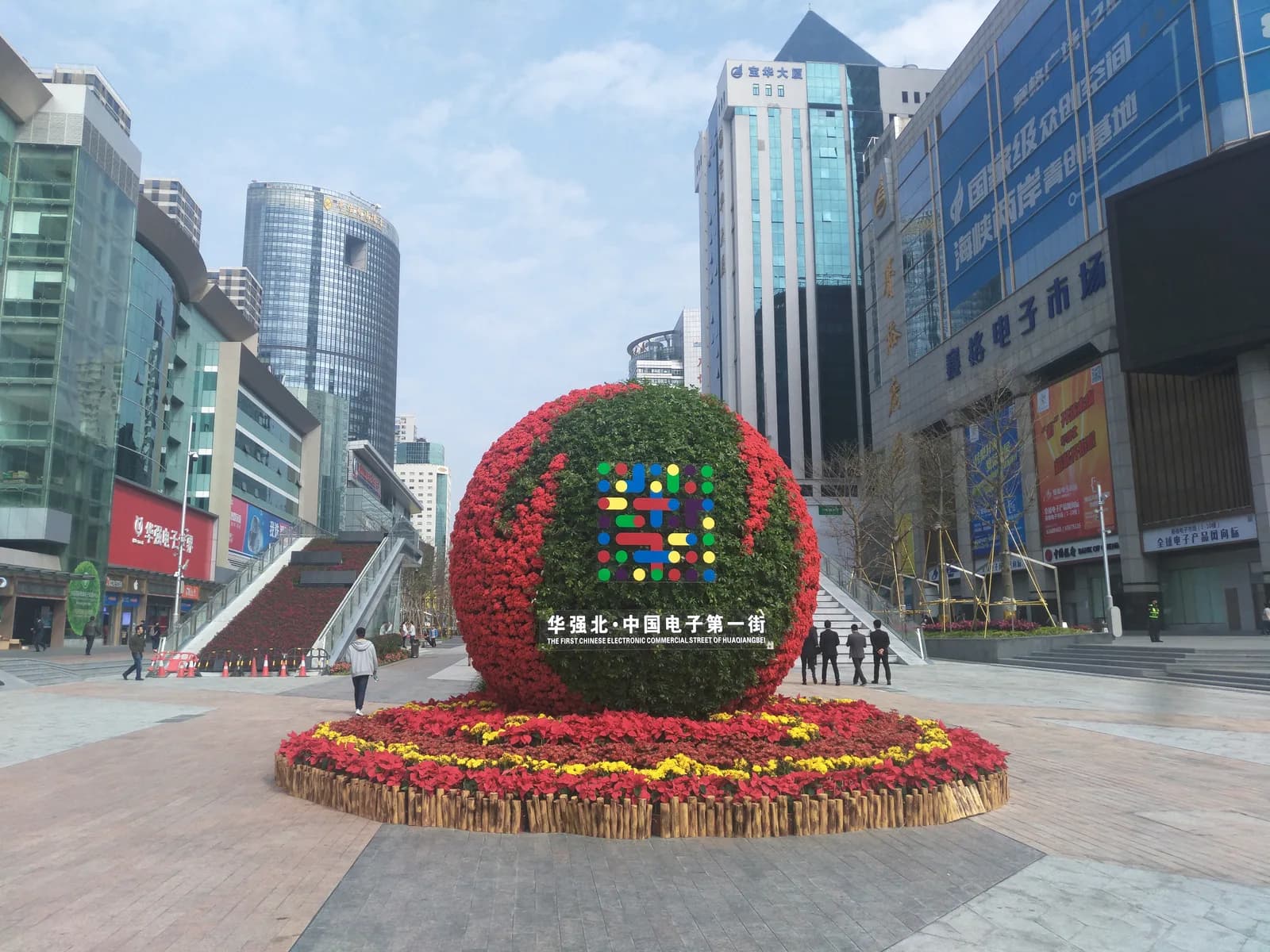
I'd been bargaining for a pair of headphones for about ten minutes before I realised the guy behind the counter was enjoying it more than I was. That's Huaqiangbei. You walk into a building the size of a small suburb, and every floor is another thousand stalls selling components, drones, phones, chips, and things you can't identify. I went in for a look and came out with a haul, a coffee, and no real idea how three hours had gone.
Shenzhen doesn't work like the rest of China. There's no old town. There's no temple everyone photographs. Forty years ago it was a fishing area, and now it's a megacity that mostly sells you the future. That makes the "what to do" question genuinely harder here than in Guiyang or Chongqing, so here's the honest ranking: what's worth your time, what's a two-hour gawk, and what people keep telling you to do that isn't worth it. (Still deciding whether to come at all? That question gets its own honest verdict.)
The Shenzhen shortlist, ranked
What I'd actually do, in order, cross-checked against what recent travellers rate. If you'd rather have this pre-arranged into days, the Shenzhen itinerary sequences the same shortlist into a 2-3 day plan:
| Thing to do | Cost | Time | Verdict |
|---|---|---|---|
| Huaqiangbei electronics market | Free to browse | 2 hrs–half day | The signature Shenzhen thing. Gawk, haggle, don't over-buy |
| 24-hour spa complex | From ~200 RMB | 4 hrs–overnight | Best value experience in the city |
| Shuibei jewellery district | Free to browse | 2-3 hrs | Gold near spot price, lab-grown diamonds |
| Shekou seaside + Sea World | Free | Half day | Best food streets, most relaxed zone |
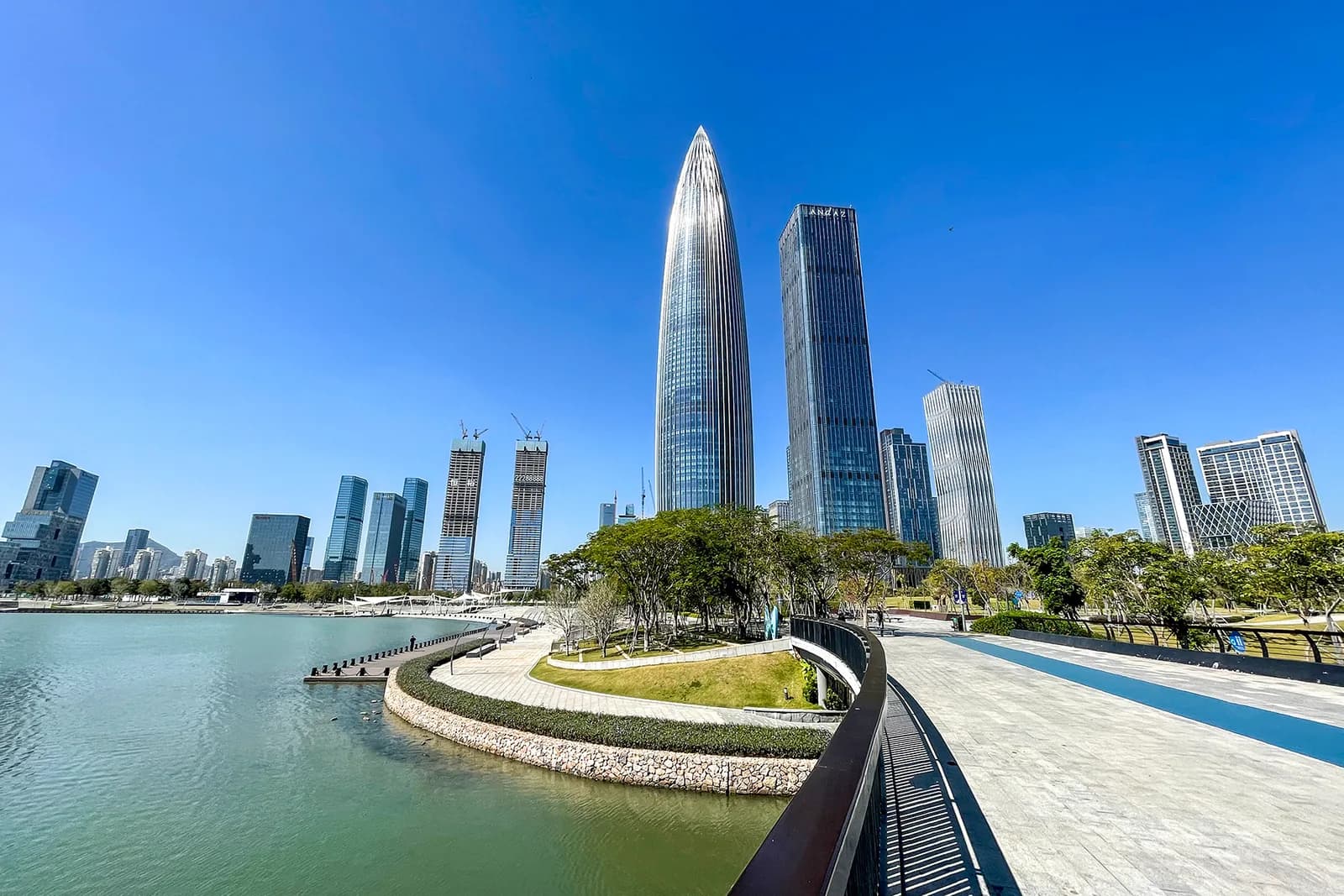
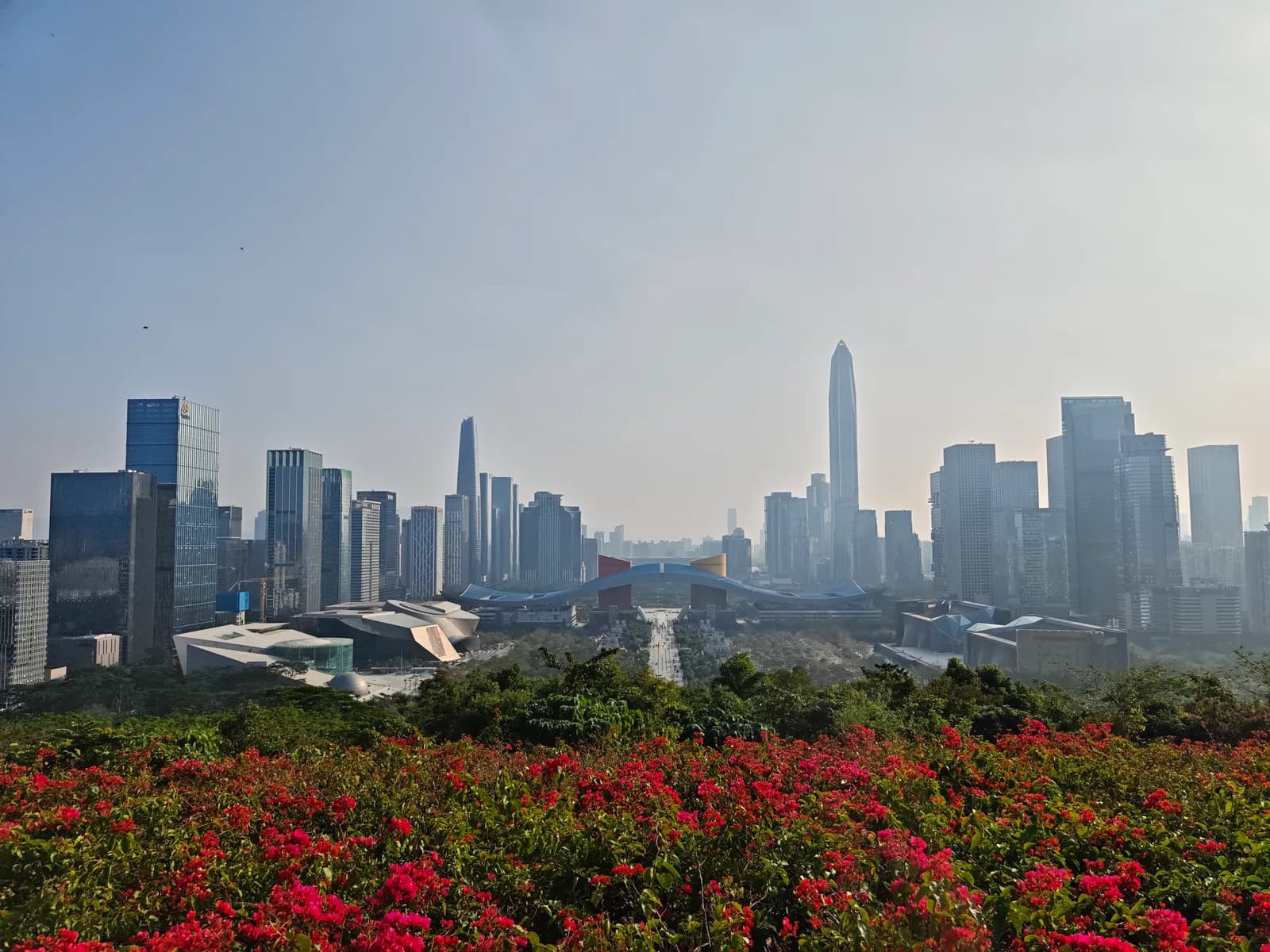
| Talent Park / Shenzhen Bay skyline | Free | Evening | The best free thing in Shenzhen |
| Dafen oil painting village | Free | Half day | The best offbeat half-day, if a bit commercial |
| Coco Park nightlife | 50-200 RMB | Night | Genuinely good, and stranger than you'd expect |
| Shenzhen Safari Park | 200 RMB | 3-4 hrs | Huge and fun, but welfare concerns are real |
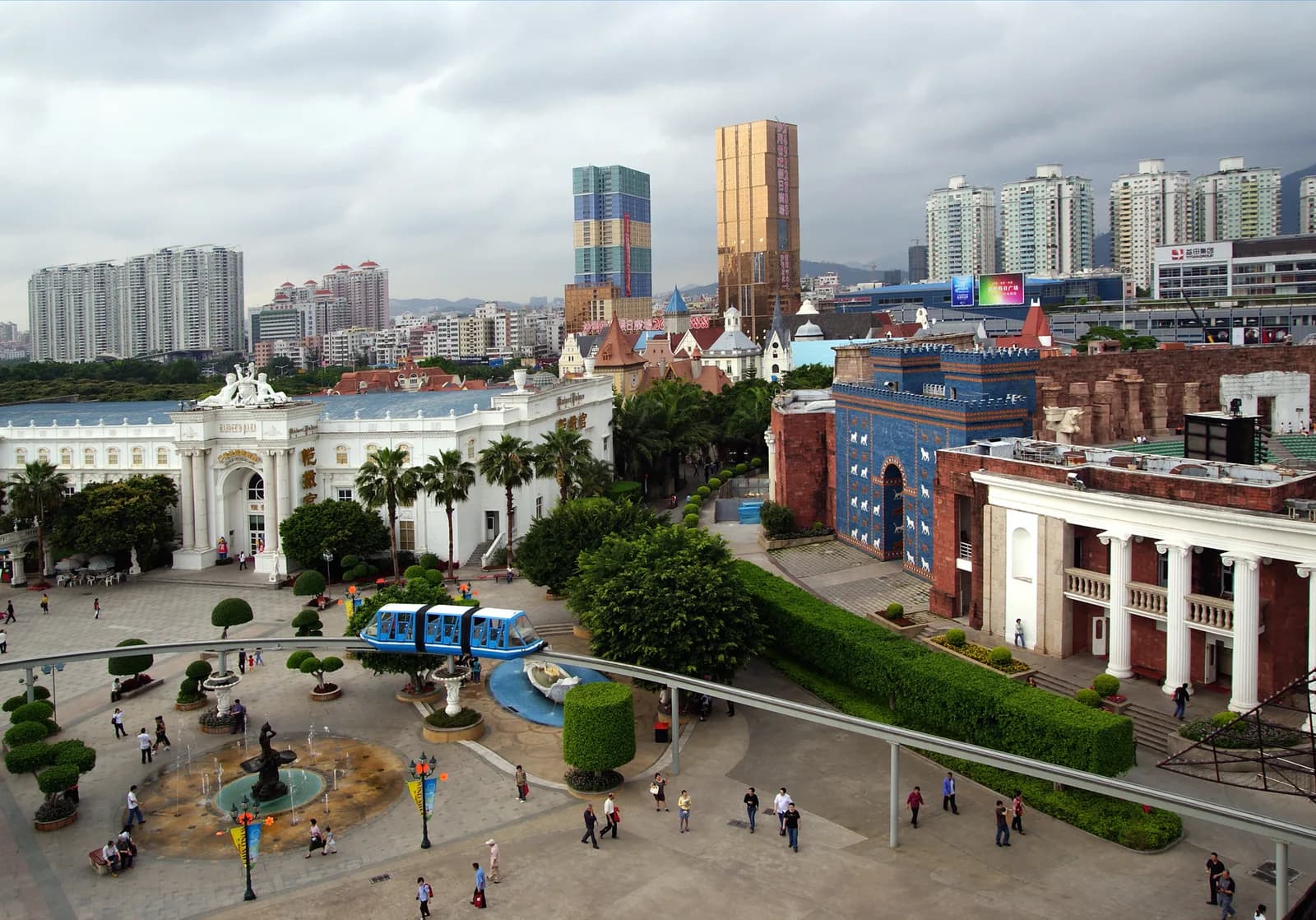
| Window of the World | ~200 RMB | Half day | Skippable unless you have kids |
| Dongmen pedestrian street | Free | 1 hr | The most-skippable famous thing here |
Huaqiangbei: the world's biggest electronics market
Go for the scale, not the savings. That's the single most useful thing I can tell you.
Huaqiangbei runs to more than 200,000 square metres across a cluster of buildings with somewhere north of 20,000 sellers. The famous floors are wall-to-wall stalls of components: reels of resistors, phone screens by the crate, chips in bins like pick-and-mix. Then you go up a level and it's drones. Another and it's speakers and headphones. It is, genuinely, the most impressive retail thing I've seen anywhere.
The catch is the buying. Vendors quote higher if you look hesitant, and tourists pay a tourist rate: one traveller in 2025 was quoted 500 RMB at a stall for a handheld console listing at 350 online. Haggling isn't rude here, it's the expected opening move, and I got a lot further being cheerful about it than trying to be tough. Bench-test anything electronic before money changes hands. Buy your actual laptop or phone through official channels, since the gray market here absorbs a lot of stolen stock.
The honest counter-view, which I think is fair: several experienced China travellers say Huaqiangbei is only fun for a couple of hours if you're not a hardware person, and one 3-month China trip report called Shenzhen the most boring big city in the country and suggested skipping it entirely. If you don't care about electronics, that's roughly right, and you should weight the spa, Shekou and the food higher than I do. Go Tuesday to Friday for peak stock and activity.
Shuibei: gold by weight and $10 bracelets
This is the one nobody tells you about, and it's better than Huaqiangbei for a non-tech person.
Shuibei in Luohu is billed as the largest jewellery trading hub on earth. Gold is sold near spot price by weight, plus a workmanship fee, which is a completely different mental model to walking into a jewellery shop at home and being quoted a number that includes a brand. Lab-grown diamonds have become the big 2025-26 draw, with IGI-certified stones and prices that make Western retail look absurd.
The other half of the fun is the dupe economy. There are floors of pieces styled after the big luxury houses at prices around $10 USD, and the quality range is wild: some of it is obviously junk, some of it is startlingly good. I came away with a haul and a slightly rearranged sense of what jewellery is actually worth. Pair it with the clothing wholesale floors nearby and a breakfast of rice rolls, and it's a comfortable half day.
If you want the counterfeit-goods version specifically, that's Luohu Commercial City at the border crossing, which is still doing brisk trade in replica bags. People come over from Hong Kong on the train just for that building.
The 24-hour spa is the best value in China
If you do one thing in Shenzhen that isn't a market, do this.
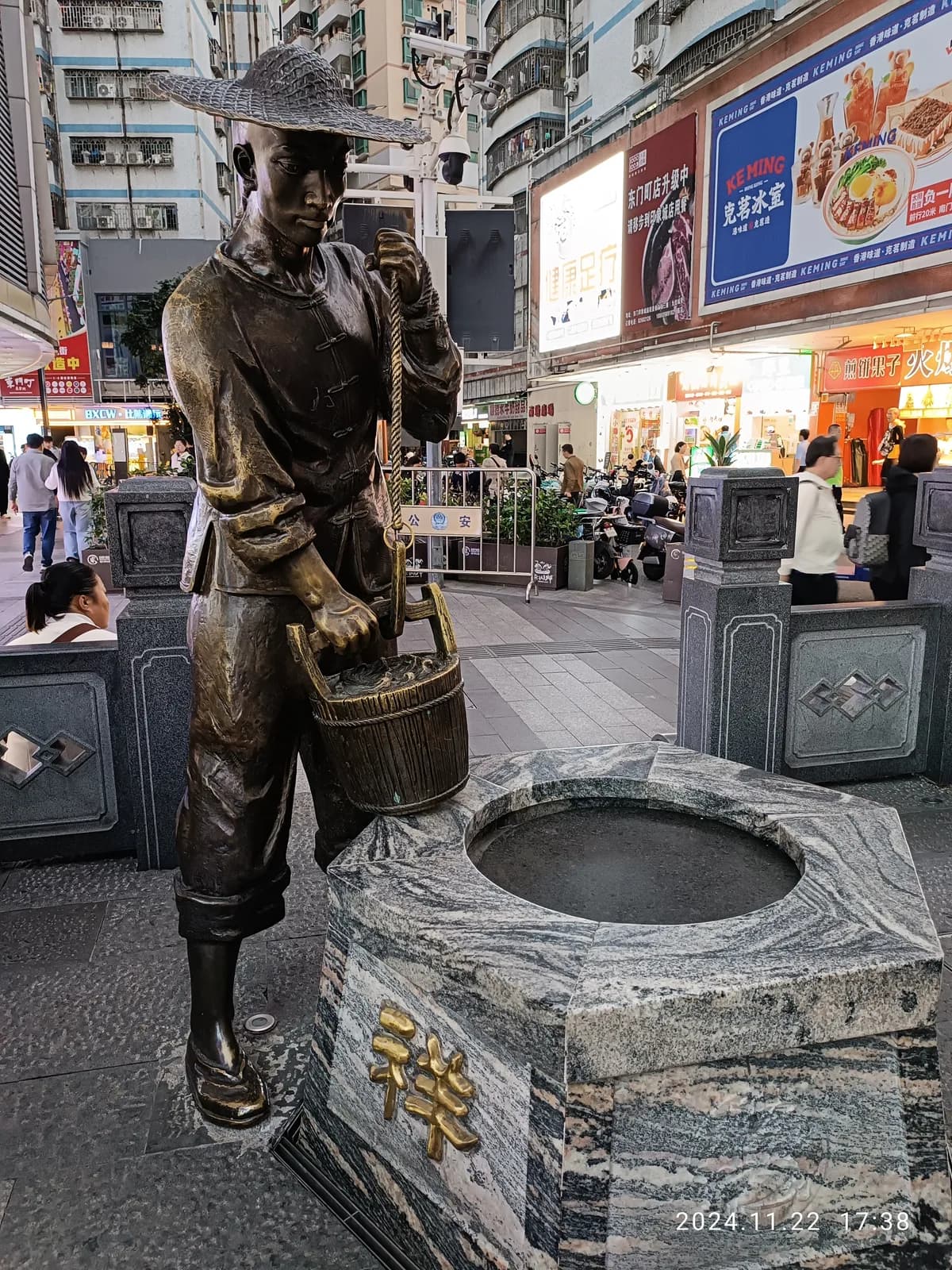
The Chinese 24-hour relaxation complex has no real equivalent in the West. You pay one entry fee and you get a bathhouse, a buffet, gaming rooms, massage chairs, lounges, nap rooms, and permission to simply exist there for as long as you like. We went through one top to bottom for about $80 USD and it was comfortably worth it. Entry at the cheaper end starts around 200 RMB, which includes the sports facilities and dining, though Shenzhen bathhouses do run pricier than the northern Chinese equivalents.
The hack worth knowing: some of these places let you stay overnight, which makes them a legitimate alternative to a hotel room if your schedule is awkward. Aqila (阿奇拉) is one of the newer ones that allows it.
Bring nothing. That's the point. You're issued clothes, and everything runs on a wristband you settle at the exit.
The culture half-day: Dafen and OCT Loft
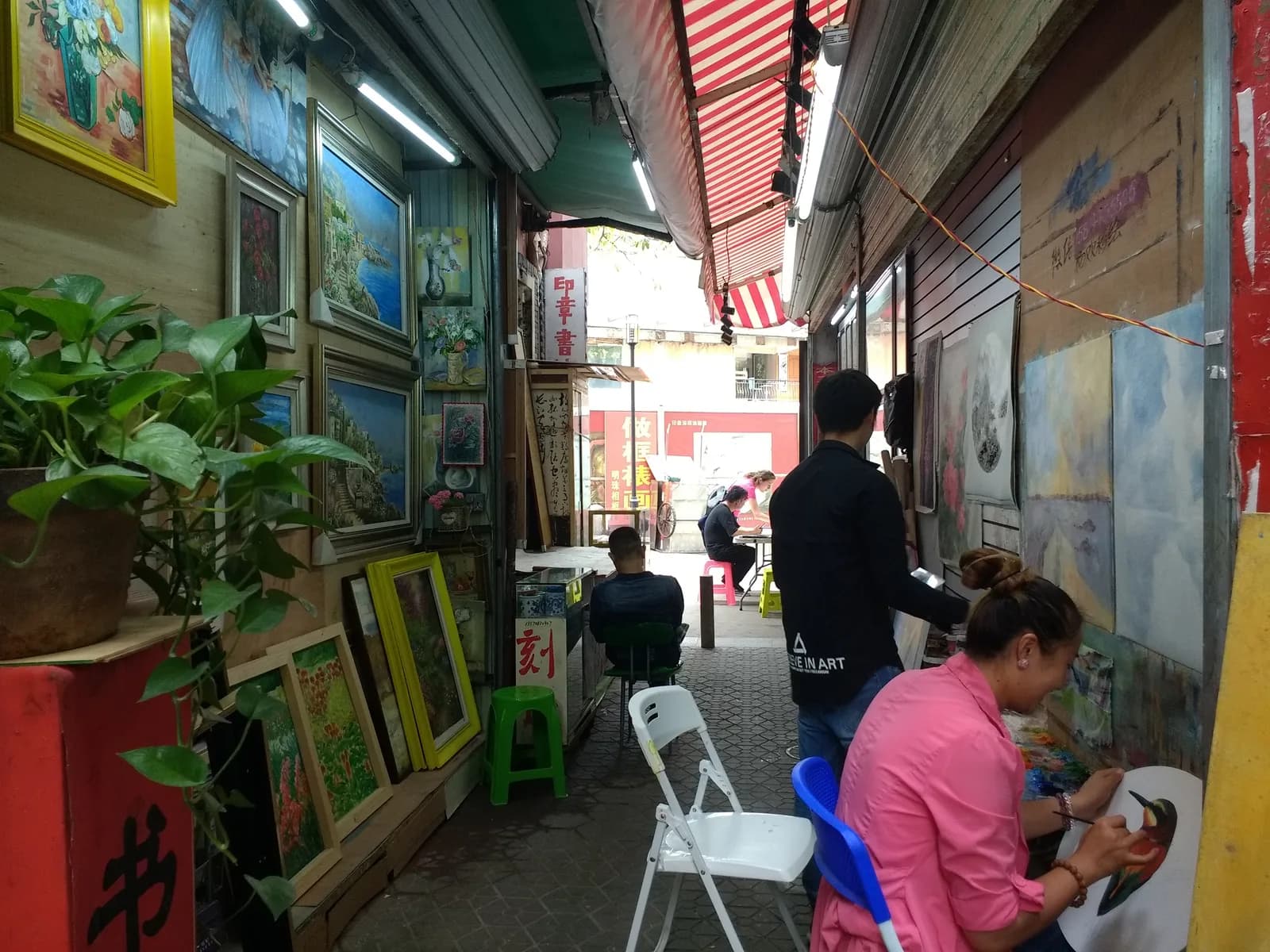
Dafen oil painting village is the best offbeat half-day in Shenzhen. It's a whole district of working painters producing reproductions and originals, and you can watch people knock out an Old Master in an afternoon. Recent visitors call it commercial but unique and genuinely worth the trip, and it's the best souvenir shopping in the city by a distance. There's a fair bit of debate online about whether a recent tidy-up changed anything; returning visitors say it looks much the same as a decade ago, which I'd take as a feature.
OCT Loft is the converted-factory arts precinct, and I'll be honest, it divides people. One recent trip report called it underwhelming, and if you've done this kind of thing in Melbourne or Berlin it won't move you. It's a pleasant coffee-and-galleries couple of hours, not a destination.
Window of the World is the one I'd push back on hardest. It's a park of scale-model world landmarks, it costs around 200 RMB, and unless you're travelling with kids it's a strange use of half a day in a city that has actual futuristic things in it. If you are set on a theme park day, my Shenzhen theme parks comparison covers Window of the World, Happy Valley and Splendid China with current tickets and verdicts.
Shenzhen Safari Park
This zoo is so big they let you drive around it. You rent a vehicle and go through the open sections, and there's marmot feeding, elephants and giraffes for about $3, and a caged-truck tiger feeding for 50 RMB. Entry is 200 RMB and you want three to four hours minimum.
It's a genuinely fun day and I have to be straight about the other half: recurring visitor reviews raise animal-welfare concerns and note the enclosures are aging. Some of what you see is great. Some of it is harder to watch. Go in knowing that, and decide for yourself.
Nightlife: reggaeton, Coco Park and a $2 tequila shot
Shenzhen nightlife caught me completely off guard.
Coco Park in Futian is the main bar and club cluster, with Eden doing EDM across an indoor room and an outdoor lounge. Worth knowing: the old bar street was partially demolished and rebuilt, so any nightlife guide written before 2024 is describing a place that doesn't exist. Shekou is the other pole, with The Snake Pit and McCawley's at Sea World Plaza pulling the expat crowd. In Nanshan, SuperFace runs 10pm to 5:30am with no cover on non-guest-DJ nights, and bbR has hosted names as big as Paul van Dyk. There's no tipping culture, which takes some adjusting to.
The genuinely strange part: the Latin scene. We ended up at Yonaguni, which bills itself as China's biggest Latino party, and it was a room full of people in Shenzhen going properly hard to Bad Bunny. We also found China's highest-rated Mexican restaurant here, ate surprisingly legitimate tacos, and stayed for the reggaeton until the night got away from us. Tequila shots run about $2 USD. Not a sentence I expected to write about southern China.
The free evening: Talent Park and Shenzhen Bay
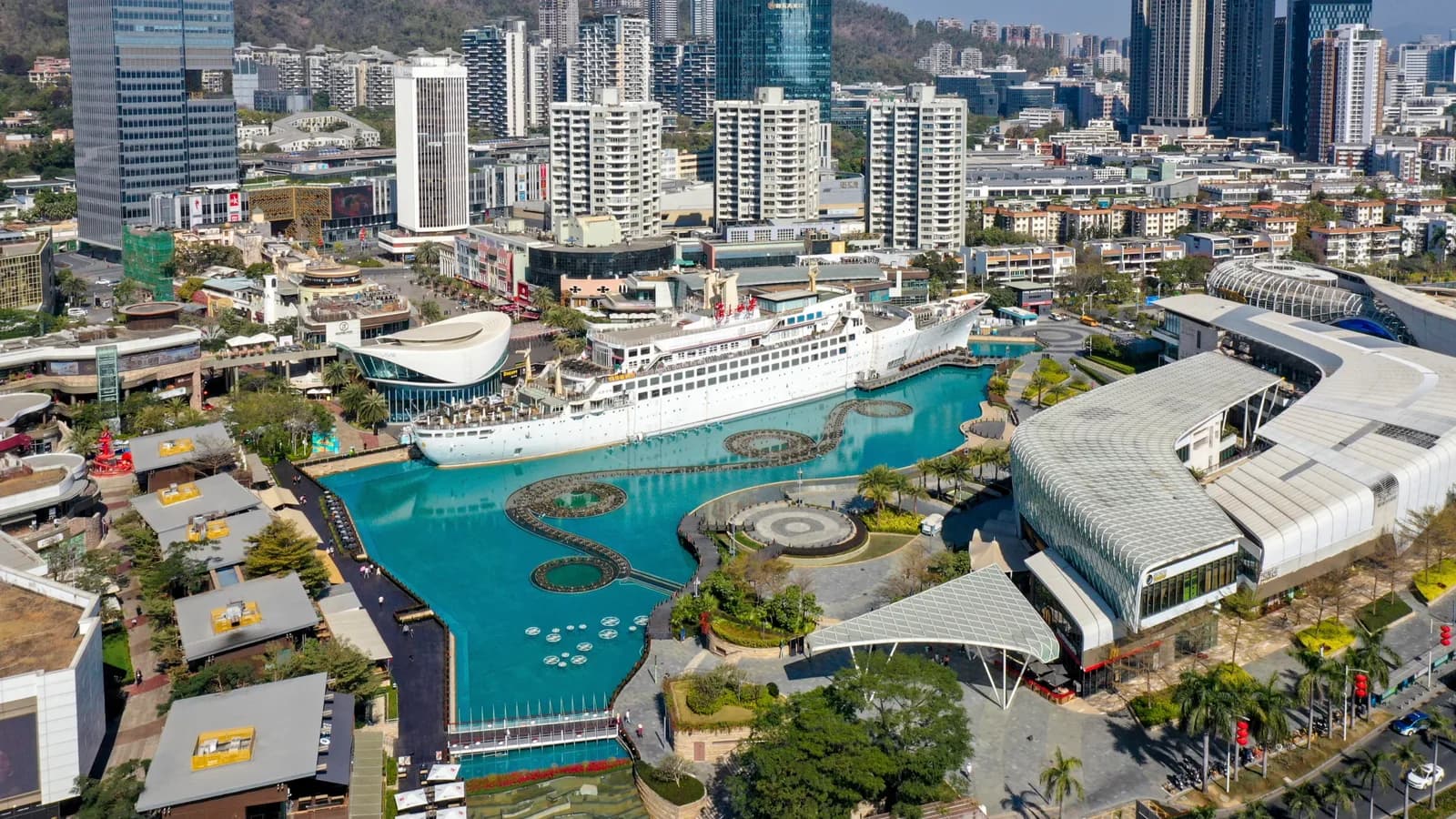
The best thing in Shenzhen costs nothing. Walk Talent Park and the Civic Center area at night, when the whole skyline runs a coordinated light show across the towers, or head to Shenzhen Bay Park for the best ground-level skyline photos in the city. Lianhuashan Park is the other classic, a short climb to a Deng Xiaoping statue with the CBD laid out in front of you.
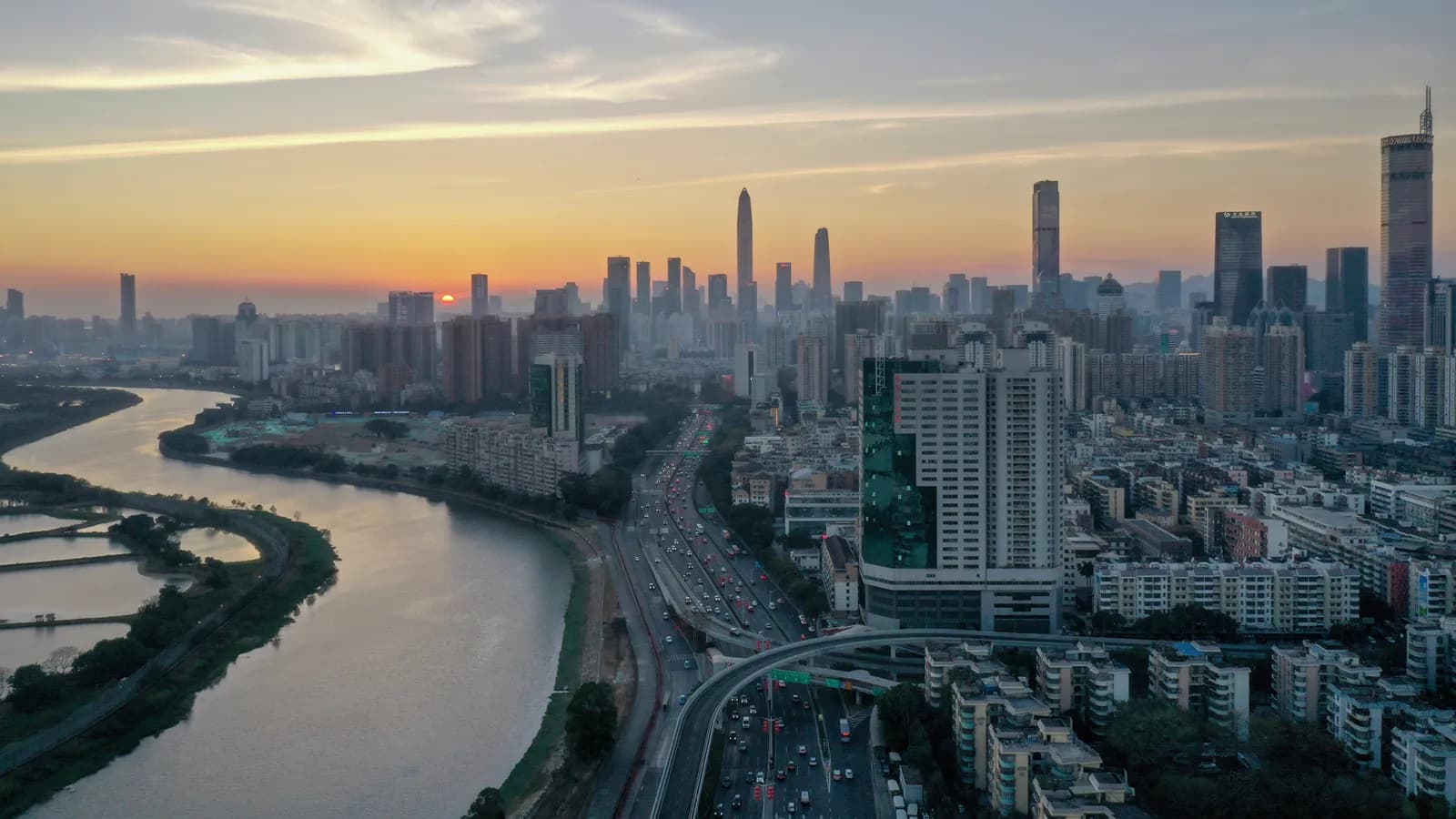
One scam to avoid: Shenzhen's drone shows are extraordinary (a record 12,000-drone show ran at Talent Park in August 2025 for the SEZ's 45th anniversary) but they're event-based, not nightly, and they're free with a reservation. Anyone selling you drone show tickets is ripping you off.
Shekou deserves its own evening. Take Line 2 to Sea World station, walk the seaside, and eat on Wanxia Road or Shekou Old Street, which locals recommend over the CBD for actual food. Skip the random stall if your stomach is precious; pick busy, well-rated places.
Where to stay in Shenzhen
The rule that matters more than the district: stay within a 5-10 minute walk of a metro station. Everything else is negotiable. The full where to stay in Shenzhen breakdown compares all four zones properly, and the day-by-day Shenzhen itinerary shows how the zone choice plays out across a 2-3 day visit.
Futian, stay here if it's your first time. Seven metro lines, dead central, the CBD skyline, and Coco Park for the evening.
Luohu, stay here for budget and the Hong Kong border, plus Shuibei and Dongmen on your doorstep. Older and more chaotic.
Nanshan and Shekou, stay here for the seaside, the food streets and an English-friendly expat scene.
Bao'an, stay here for the airport and the cheapest rooms in the city.
Getting there and when to go
From Hong Kong, the high-speed rail from West Kowloon to Futian takes about 14 minutes and costs ¥75-82. That's the one I'd take, and it's what makes Shenzhen a viable day trip. The cheap version is the MTR East Rail to Lo Wu then Metro Line 1, about 60-75 minutes door to door for HK$40-55. Huanggang is the only 24-hour crossing. If you're flying into HKIA and heading straight over, the SkyPier ferry to Shekou skips Hong Kong immigration entirely, with your bags tagged through at the E2 desk.
On visas: as of 2026, 77 countries including New Zealand and the UK get 30-day visa-free entry. US, Mexican, Czech and Lithuanian passports are limited to the 240-hour transit, which needs a confirmed onward ticket to a third country. Visa-free entries to Shenzhen jumped 160% year on year in 2025, so the queues know what they're doing now. Bring a hotel booking and an onward ticket; screenshots are accepted.
Book HSR tickets on Trip.com (takes foreign cards, no Chinese number needed) or the 12306 English app. Get a travel eSIM before you fly and you'll skip the VPN entirely. Set up Alipay or WeChat Pay with a Visa or Mastercard; cash is genuinely awkward here now.
Best months: October to December is the sweet spot, warm and dry. Avoid the Canton Fair windows in April and October, when hotel prices spike city-wide (October averages around $175 a night versus August's $121). Summer is hot, humid and typhoon-prone, but August is the cheapest month.
Budget breakdown (per day, USD)
| Item | Backpacker | Mid-range | Comfort |
|---|---|---|---|
| Accommodation | $12-30 | $50-140 | $180-400 |
| Meals (3/day) | $8-18 | $25-50 | $70-150 |
| Metro / DiDi | $2-5 | $6-15 | $20-40 |
| Activities | $0-15 | $25-55 | $60-150 |
| Daily total | $22-68 | $106-260 | $330-740 |
Three days in Shenzhen runs roughly $70-200 backpacking and $320-780 mid-range. It's one of the best-value big cities I've been to.
Recommendations
- Go to Huaqiangbei to look, not to buy. If you do buy, haggle hard and test everything before you pay.
- Do the 24-hour spa. It's the best value experience in the city and there's nothing like it at home.
- Set up Alipay or WeChat Pay with a foreign card before you fly. Almost nothing takes cash comfortably.
- Get a travel eSIM rather than a local SIM. You'll have Google Maps and Instagram with no VPN.
- Stay within 5-10 minutes' walk of a metro station. It matters more than which district you pick.
- Eat in Shekou or the Luohu underground food court, not the mall chains. The Luohu court is a genuinely good wander for Peking duck, dumplings and dessert.
- Don't buy drone show tickets. The shows are free with a reservation and only run on event nights.
- Skip Dongmen unless you're already in Luohu. It's the most-skippable famous thing in the city.
- Book hotels 3-4 weeks ahead, or 2-3 months if you're travelling during the Canton Fair.
- Take the high-speed rail from Hong Kong, not the metro, if your time is worth more than about $5.
- If you're not into electronics, weight the spa, Shekou and Dafen higher than Huaqiangbei. The tech market is a gawk, not a religion.
Final note
Shenzhen is the least "China" city in China, and that's exactly why I liked it. There's no history to dutifully appreciate. There's a market the size of a suburb selling every component on earth, a jewellery district selling gold by the gram, a spa you can live in, and a room full of people losing their minds to Bad Bunny on a Tuesday. It's a city with no interest in being charming, and it's much better company for it.
Two or three days is right. If you're coming from Hong Kong, the train makes it almost rude not to. And if this is your first stop in China, the where to stay in Shenzhen guide covers the zone decision, while the Guiyang cluster is what I'd point you at next for the completely opposite version of the country: where to stay in Guiyang, the Guiyang food guide, the world's best coffee shop, and a 7-10 day Guizhou rail loop. If you're new to the region entirely, the first trip to Japan guide is the closest cousin to this one for Asia trip prep.
Frequently asked
What are the best things to do in Shenzhen?
Huaqiangbei electronics market is the signature experience, even if you buy nothing. After that: the Shuibei jewellery district, a 24-hour spa complex, Dafen oil painting village, the Shekou seaside food streets, and the Talent Park and Shenzhen Bay skyline walks in the evening. Two to three days covers the city comfortably; four if you want the safari park or a mountain hike.
Is Shenzhen worth visiting?
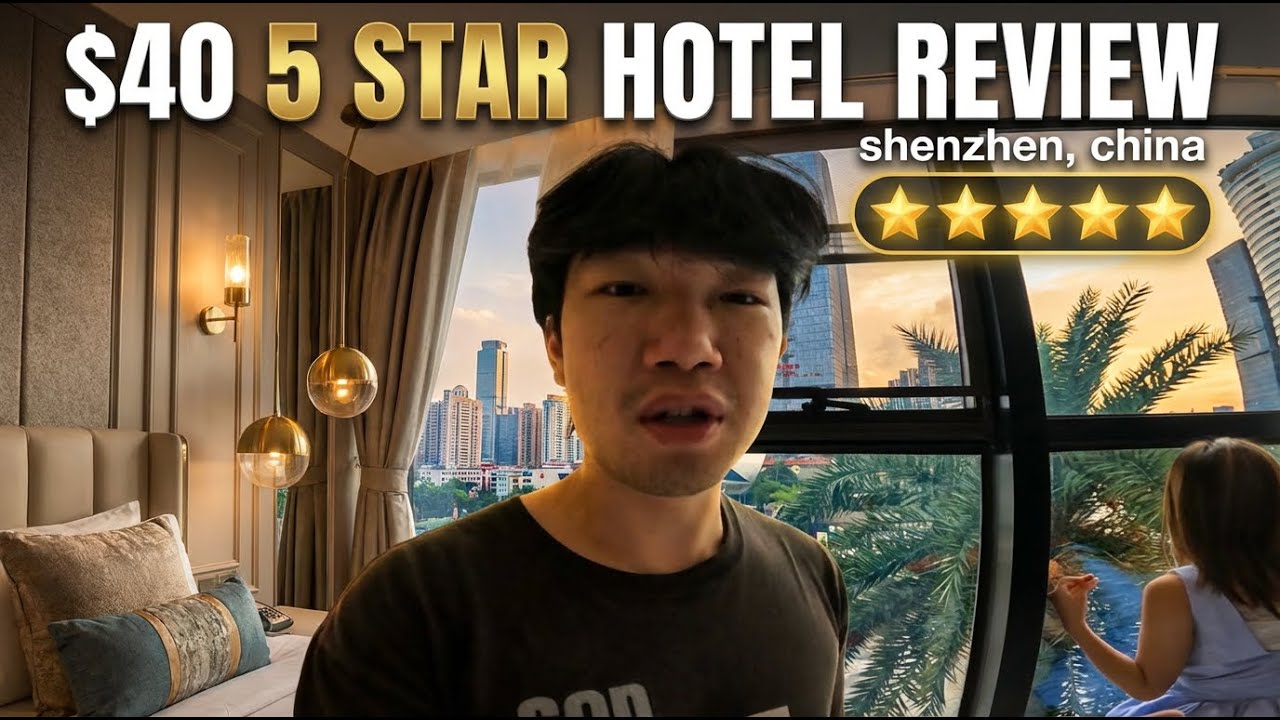
Yes, but manage expectations. Shenzhen has no ancient temples or old town, and one widely-shared traveller report called it the most boring big city in China. What it does have is scale, weirdness and value: the world's biggest electronics market, gold sold by weight, $40 five-star hotels and food that punches far above the price. If you want history, go to Guangzhou. If you want the future, this is the place.
How many days do you need in Shenzhen?
Two to three days for the city. Day one is Huaqiangbei and Futian, day two is Shekou or Nanshan plus an evening skyline walk, day three is Shuibei, Dafen or the spa. It also works as a single-day trip from Hong Kong, since the high-speed rail from West Kowloon to Futian takes about 14 minutes.
Is Huaqiangbei worth visiting?
Worth it to see, not necessarily to buy. It's over 200,000 square metres with 20,000-plus sellers, and the consensus from recent travellers is that it's a two-hour to half-day gawk unless you're genuinely into hardware. Retail stalls mark up tourists: one visitor was quoted 500 RMB for a handheld console selling online for 350. Haggle, and bench-test anything electronic before you pay.
Do I need a visa for Shenzhen in 2026?
Probably not. As of 2026, 77 countries including New Zealand, the UK and most of Europe get 30-day visa-free entry to mainland China. US, Mexican, Czech and Lithuanian passport holders are limited to the 240-hour (10-day) visa-free transit, which requires a confirmed onward ticket to a third country. Immigration typically wants to see a hotel booking and an onward ticket, and screenshots are fine.
How do you get from Hong Kong to Shenzhen?
Fastest is the high-speed rail from West Kowloon to Futian, roughly 14 minutes for ¥75-82. Cheapest is the MTR East Rail to Lo Wu then Shenzhen Metro Line 1, about 60-75 minutes door to door for HK$40-55. Lok Ma Chau into Futian Checkpoint is similar. Huanggang is the only 24-hour crossing. From HKIA you can also take the SkyPier ferry straight to Shekou without clearing Hong Kong immigration.
Do I need a VPN in Shenzhen?
Not if you use a travel eSIM. An eSIM roaming on a foreign network (Airalo and similar route via China Unicom) gets you Google Maps, Instagram and YouTube with no VPN, because your data leaves China before it's filtered. A local physical SIM is censored and needs ID registration. Set up Alipay or WeChat Pay with a foreign card before you fly; almost nowhere takes cash comfortably.