Things to Do in Mahahual, Mexico: The Reef, Banco Chinchorro, and Cruise-Day Reality
The best things to do in Mahahual: snorkelling the reef off the beach, the serious Banco Chinchorro day trip, beach clubs, kitesurfing, fishing, and a Bacalar run.
Mahahual is a dusty little reef town on the Costa Maya, two hours south of Bacalar, and it rewards knowing what's worth your time before you arrive. Most lists bury the good stuff (the reef, the water, one slow boat) under a pile of cruise-day filler. This guide sorts the activities by what actually delivers, so you spend your days on the water and not the vendor-lined boardwalk.
The thing to understand first is that Mahahual is two places at once. With a cruise ship docked it is a busy beach-bar strip full of day-trippers. With no ship in, it is a quiet fishing village on the Mesoamerican Reef. Get your timing right and it is one of the better-value reef bases in Mexico. Get it wrong and you will wonder why you left Tulum.
The Mahahual shortlist, ranked by what travellers rate
Here is the consensus order from recent firsthand reports and dated TripAdvisor reviews, with rough costs and an honest verdict. USD figures assume roughly 20 MXN to the dollar.
| Activity | Typical cost | Time | Worth it? |
|---|---|---|---|
| Banco Chinchorro snorkel/dive | 2,500–4,000 MXN ($130–200) | Full day | The bucket-list trip, if weather allows |
| Reef snorkel off the beach | Free–600 MXN ($0–30) | 1–3 hrs | The everyday win, reef is right there |
| Malecón beach club day | 0–800 MXN ($0–40) | Half/full day | Easy, good value off cruise days |
| Scuba on the local reef | 1,200–1,800 MXN ($60–90) | Half day | Strong for certified divers |
| Kitesurfing (Feb–Mar) | 1,000+ MXN ($50+) | Half day | Niche; better up the coast |
| Fishing charter | 3,000+ MXN ($150+) | Half day | Good with a group splitting cost |
| Bacalar lagoon day trip | 400–1,500 MXN ($20–75) | Full day | Worth it, but overnight is better |
The rest of this guide is about the choices inside that list where it actually matters.
Snorkelling and diving the reef off the beach
This is the everyday reason to come. Mahahual sits directly on the Mesoamerican Reef, the second-largest barrier reef on the planet, and unlike most of the Riviera Maya the reef runs close enough to shore that recent travellers describe snorkelling sections of it on a swim straight off the Malecón. That is unusual and it is the town's quiet superpower.
For the better coral you still want a boat, and the trips are short. Most guided snorkel tours are a 10-minute ride out to the prime reef, in shallow water around 6 to 12 feet, which makes them friendly for nervous or first-time snorkellers. Operators clustered along the Malecón come up repeatedly in recent reviews: Doctor Dive Mahahual, Mar Adentro, and Pepe Dive Mahahual all get named for small groups and attentive guides. Expect to see tropical fish, rays, turtles and, with luck, a docile nurse shark.
Certified divers get more out of the local reef than snorkellers do. Two-tank local dives run roughly 1,200 to 1,800 MXN (about $60-90 USD), far cheaper than the big-name dive towns further north, and the reef is genuinely healthy this far down the coast. If you only do one thing in the water before Chinchorro, make it a snorkel tour on the Mahahual reef. It is the low-stakes, high-payoff option, and you can book it the morning of.
Banco Chinchorro: the serious one
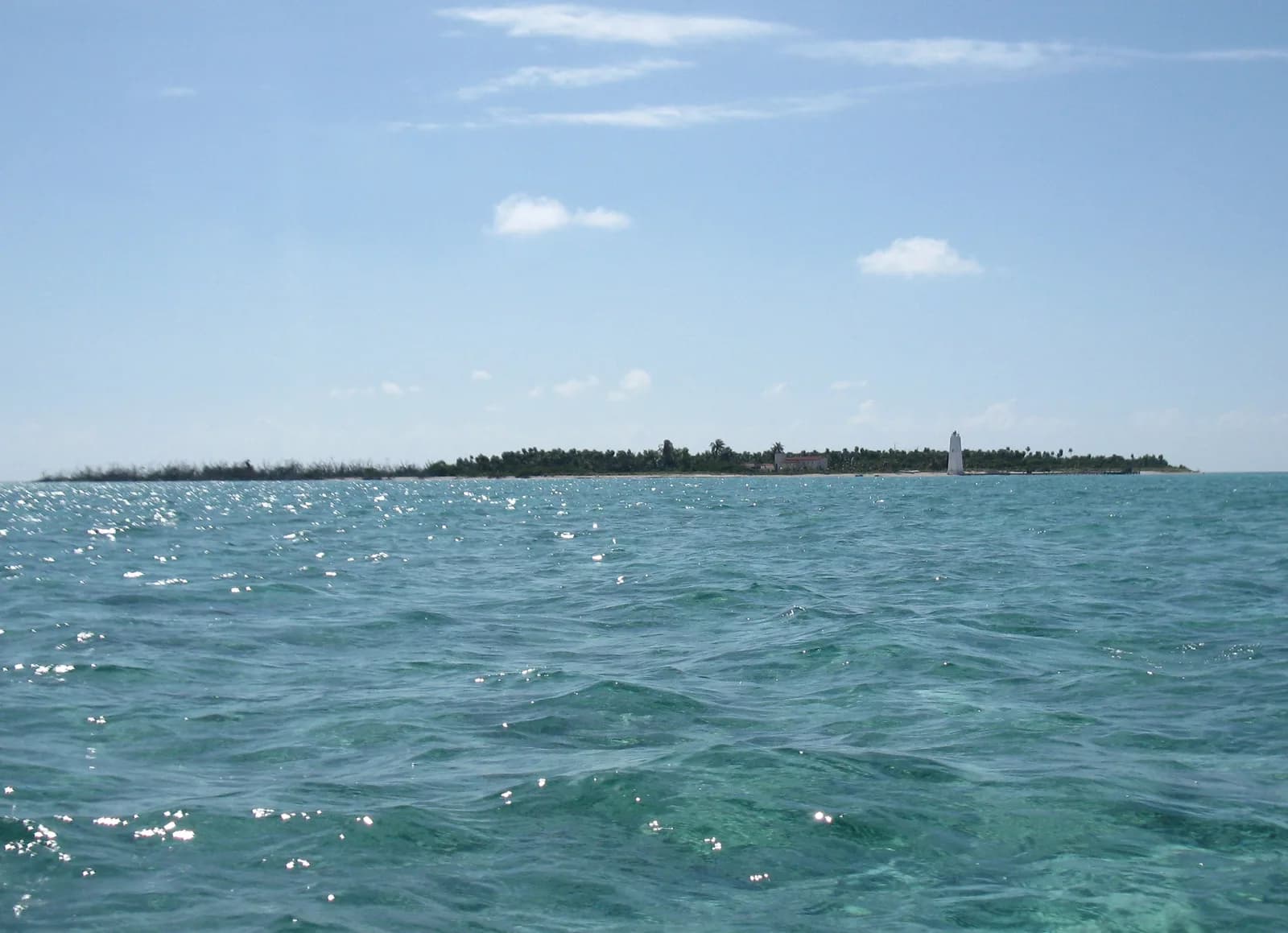
If there is a single trip that turns a Mahahual visit into a memorable one, it is Banco Chinchorro. It is the largest coral atoll in the northern hemisphere, a UNESCO-listed biosphere reserve about 35 km off the coast, and travellers who make it out there consistently call it the best day of their trip. The shallow "Aquarium" sites are dense with groupers, snapper, eagle rays, barracuda and turtles, and the mangrove channels hold saltwater crocodiles that some operators will let you photograph from the boat or, with specialist guides, in the water.
The headline draw for snorkellers is the 40 Cannons wreck site, the remains of a Dutch galleon that hit the reef over 250 years ago. Sixteen of the original forty cannons are still down there. Note the catch: it is snorkel-only at that site (diving was banned after two dozen cannons were looted), so do not book a dive expecting to descend on the wreck.
Now the honest part, because this is where trips go wrong. Chinchorro is a 90-minute boat ride each way across open ocean, it is entirely weather-dependent, and operators only run when the sea cooperates and a minimum group (around six) fills the boat. Recent travellers report trips cancelled day-of for wind, so build in buffer days. Costs from recent operator listings: snorkelling around 2,500 to 2,700 MXN (cash discounts apply), two dives around 3,400 to 4,000 MXN, plus a marine-park bracelet around 300 MXN and an environmental tax of about 750 MXN for foreign visitors. A deposit is usually required to hold a seat. Book the Banco Chinchorro day trip early in your stay so you have days in hand if the first attempt blows out.
Beach clubs along the Malecón
When you are not in the water, the Malecón beach clubs are how you spend a Mahahual day, and they are good value compared with the loungers-for-a-fortune scene in Tulum. The model is familiar: order food and drink and the lounger comes free, or pay a set rate that bundles credits.
A few names dominate recent reviews. Nohoch Kay is the long-running favourite, sitting around 4.7 stars and frequently ranked among the top restaurants in town for fresh seafood and friendly service. Malecón21 comes up for value, with packages around $40 USD per person that include a lounger and food-and-drink credits, and a relaxed family-friendly feel. Yaya Beach Club leans more stylish and quiet, with proper beach beds, shade and VIP cabanas, the pick if you want calm over a party. 40 Cannons is the one club that charges a straight entry fee, which recent visitors say keeps it cleaner and better maintained than the free-entry spots. For more on which club suits which traveller, the Mahahual where to stay guide maps them to the zones they sit in.
The single biggest variable is whether a cruise ship is in. On a ship-free day the clubs are calm and cheap. On a docking day they fill with day-trippers by mid-morning and prices firm up.
Kitesurfing, fishing and a Bacalar day trip
Three more activities round out the list, each with a clear verdict.
Kitesurfing is a real draw in the windy months of February and March, but temper expectations. Recent reports are clear that the town beach itself is a poor launch: the reef sits only about 100 metres out and there is little room to land a kite, so it is not a beginner spot. The genuine kite scene is down the coast, with the launch around the Hayhu beach area roughly 30 minutes south, and eco-resorts like Almaplena on the coastal road toward Xcalak catering to riders. If kiting is your main reason to come, base south rather than in town.
Fishing charters are easy to arrange and best value split across a group. Operators such as Lizeta Tours run half-day trips chasing barracuda, snapper and the like, typically from around 3,000 MXN for the boat. It is a solid half-day if you have four people to share it.
A Bacalar day trip is the most popular off-coast excursion. The Lagoon of Seven Colours sits about 104 km away, a drive of roughly 1.5 to 2 hours, and ADO's Caribe Sprinter buses run the route multiple times a day, which is cheaper than a packaged tour. You can do it in a day, but I would not. Bacalar rewards a slow morning on the water, so if the lagoon appeals, read things to do in Bacalar and the honest is Bacalar worth it review and consider an overnight instead. The Mérida to Bacalar guide covers the wider overland routing if you are stitching a trip together.
Cruise days versus a quiet independent stay
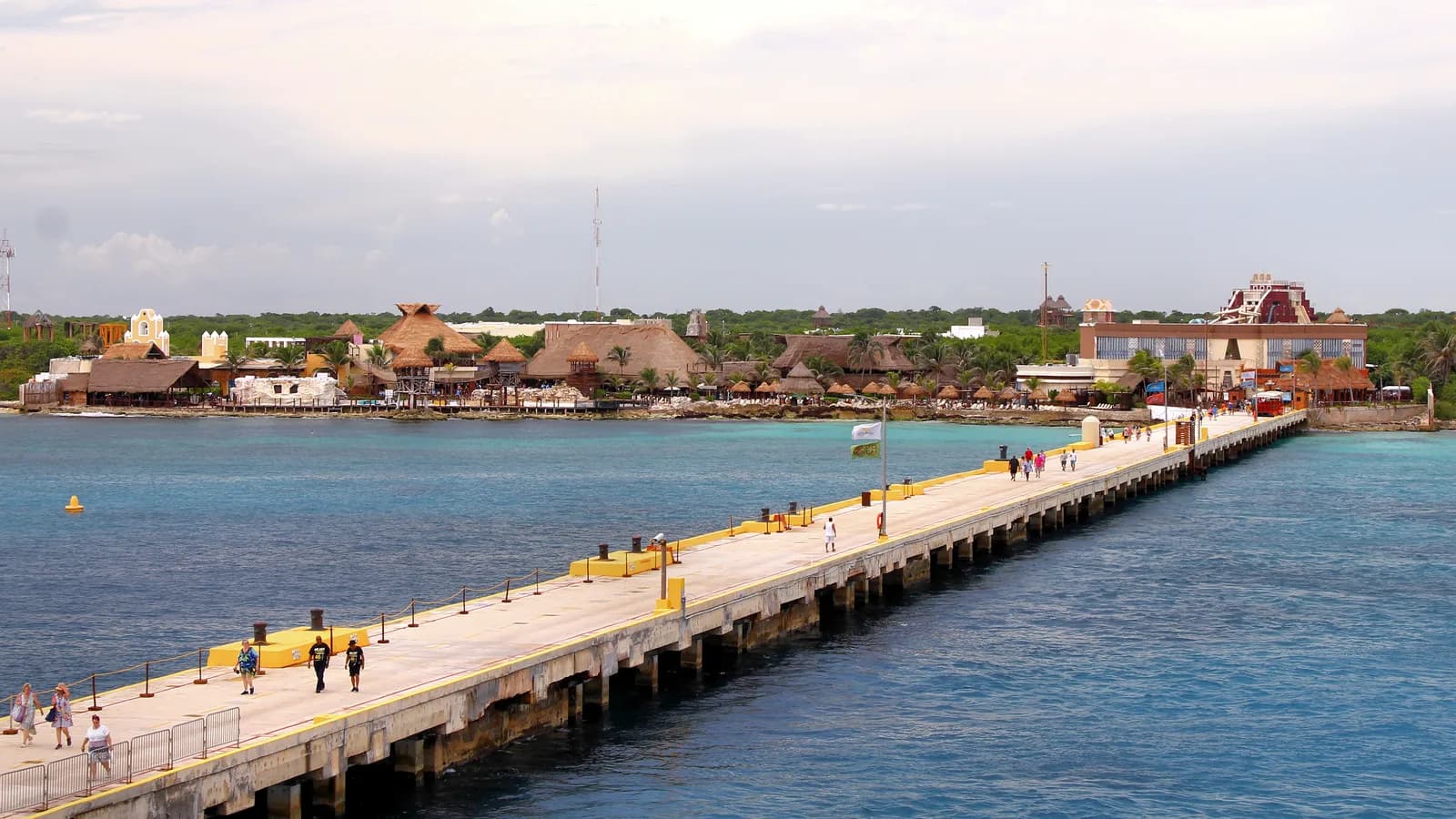
This is the decision that shapes everything else, so plan around it. The Costa Maya cruise terminal sits about 3 km north of town. On docking days, ships unload thousands of passengers who are bussed into the Malecón for cheap drinks, souvenir shopping, quad tours and watersports. The town genuinely booms, and for cruisers it is an easy, safe few hours: a yellow taxi back to the port runs about $4-5 USD per person, and most book a Costa Maya shore excursion in advance rather than improvising at the dock.
For an independent traveller staying a few nights, the calculus flips. The Mahahual people fall for is the ship-free version: a quiet fishing village of a few hundred residents, empty beach in the morning, reef to yourself. Check the Costa Maya cruise calendar before you book activities. Save your reef snorkel, your beach-club day and your slow mornings for days with no ship in, and use cruise days for an inland trip to Bacalar or the Chacchoben ruins. Travellers who ignore the calendar and hit the Malecón on a three-ship day are the ones who leave underwhelmed.
Where to stay
Where you sleep in Mahahual decides what kind of trip you have, because the town is essentially one long beach road and the character changes as you move along it. This is the short version. The full breakdown of hotels, hostels and prices by zone is in the Mahahual where to stay guide.
Stay on the Malecón and town centre if you want to walk to dive shops, beach clubs, restaurants and ATMs, and do not mind the cruise-day buzz. It is the most convenient base and where most first-timers should be, with the reef snorkel literally off your doorstep. Move to the quieter north end of the Malecón if you want walkable town access but a calmer beach, slightly removed from the busiest cruise blocks. Head down the South Beach Road (Camino Costero) for boutique and eco beachfront places with real quiet, a car or scooter handy, and the kite beaches nearby; this is the trade of convenience for calm. Go all the way to Xcalak and the far south if you want an off-grid fishing-and-diving village with almost no crowds and almost no nightlife, the most remote option on this coast.
Quick picks: first-timers, the Malecón and town centre for everything within walking distance. Budget travellers, the town centre, where the cheaper guesthouses and hostels cluster. Luxury and couples, the South Beach Road for boutique beachfront calm. Nomads and families wanting quiet, the north end of the Malecón or far south toward Xcalak.
Getting there and when to go
Mahahual is remote, and that keeps it quiet, but it means the journey takes planning. The closest airport is Chetumal (CTM), about two hours south, with Caribe and ADO buses connecting up to Mahahual from the Chetumal terminal on a fixed daily timetable. From Cancún there is no direct bus: you ride to Playa del Carmen first, then connect onward to Mahahual, a long overland day, so many travellers break the trip in Bacalar or Tulum. One quirk to know: ADO online ticketing often only works for Mexican-resident cards, so plan to buy in person at the station.
On timing, November to April is the dry season with the calmest seas and clearest water, which is also the prime window for Banco Chinchorro and reef visibility. February and March bring the strongest wind for kitesurfing. The honest caveat is sargassum: Mahahual and the southern Quintana Roo coast were hit hard through 2025, with the navy hauling hundreds of tonnes off the beaches and the worst landings roughly May to August. The rotting seaweed smells and can spoil a beach day, so check recent beach-condition reports for your dates rather than trusting a glossy photo.
Recommendations
A short list of things worth knowing before you book:
- Check the Costa Maya cruise calendar first and plan beach and reef days for ship-free days.
- Book Banco Chinchorro early in your stay and keep a buffer day, because trips cancel for weather without warning.
- Snorkel the house reef off the Malecón at least once; it is rare to have the Mesoamerican Reef this close to shore.
- Carry cash. Most operators, beach clubs and Chinchorro fees are cash, and there are few ATMs.
- If you want to kitesurf, base south near the Hayhu beach or Xcalak rather than in town, where the launch is poor.
- Watch the season for sargassum, worst roughly May to August, and check recent reports before you commit to dates.
- Treat Bacalar as an overnight, not a day trip, if the lagoon is what you came for.
- Split a fishing charter across a group of four to make the per-person cost reasonable.
- Buy onward bus tickets in person at the station, since ADO online often rejects foreign cards.
Final note
Mahahual is a reef town with two personalities, and the trip you have depends almost entirely on reading which one is showing up that day. Time it for ship-free days, get out on the reef off the beach, and treat Banco Chinchorro as the prize you build buffer days around. That's the version I'd book. Operators, prices and the sargassum picture all shift, so check the current state of play before you lock anything in. For the companion pieces, the Mahahual where to stay guide goes deeper on zones, and the Bacalar things to do and where to stay in Bacalar guides cover the obvious next stop up the coast.
Frequently asked
What are the best things to do in Mahahual?
The standout is snorkelling or diving the Mesoamerican Reef, which sits a short swim or 10-minute boat ride off the beach. The bucket-list day trip is Banco Chinchorro, a remote atoll about 35 km offshore with shipwrecks and an 'aquarium' of marine life, though it is weather-dependent and needs a minimum group. After that: a relaxed day at a Malecón beach club, kitesurfing in the windy months, fishing charters, and a day trip to the Bacalar lagoon.
Is the Banco Chinchorro day trip from Mahahual worth it?
For divers and confident snorkellers, yes, it is most travellers' single best day on the Costa Maya. It is a serious excursion: a 90-minute boat ride each way across open water, weather-dependent (trips cancel often), and it needs a minimum group of around six. Expect roughly 2,500-2,700 MXN (about $130-140 USD) for snorkelling and 3,400-4,000 MXN (about $170-200 USD) for two dives, plus park fees. Book with buffer days in case the sea is too rough.
Can you snorkel straight off the beach in Mahahual?
Yes. The reef runs close to shore along the Malecón, and some sections are reachable on a short swim, which is rare on the Riviera Maya. Most guided trips still take a 10-minute boat ride to the better reef. Operators along the Malecón like Doctor Dive, Mar Adentro and Pepe Dive run small-group snorkel tours at shallow depths, good for beginners.
Is Mahahual just a cruise port?
No, but cruise days transform it. The Costa Maya cruise terminal is about 3 km north of town, and on docking days thousands of passengers are bussed into the Malecón, which gets busy and pricey. With no ship in, Mahahual reverts to a sleepy fishing village of a few hundred residents. Check the cruise calendar and plan beach-club and reef days for ship-free days.
When is the best time to visit Mahahual?
November to April is the dry season with the calmest seas and clearest water, which is also the best window for Banco Chinchorro. February and March bring the strongest wind for kitesurfing. The main thing to watch is sargassum: Mahahual was heavily hit through 2025, with seaweed worst from roughly May to August. Check recent beach reports before booking.
How do you get to Mahahual?
The closest airport is Chetumal (CTM), about two hours south, with Caribe/ADO buses running up to Mahahual. From Cancún there is no direct bus: you connect through Playa del Carmen, then on to Mahahual, a long day overland. Many travellers pair Mahahual with Bacalar, which is about a 1.5 to 2 hour drive away.
Do you need a tour for the reef or can you do it yourself?
The house reef off the Malecón you can snorkel DIY with rented gear, and beach clubs often include loungers and easy water access. Banco Chinchorro, scuba diving, fishing charters and the Bacalar day trip all need an operator. Book Chinchorro and dives ahead in dry season, when boats fill and weather windows are tight.