Banco Chinchorro Tours from Mahahual: Prices, Operators, and How to Actually Get Out There
Banco Chinchorro tours from Mahahual: real 2026 prices, the operators worth booking, snorkel vs dive, the 8-person minimum, and whether to base in Xcalak.
The most consistent thing travellers say after a Banco Chinchorro trip is that it was the best day of their whole Costa Maya stay. The second most consistent thing is that it almost didn't happen: the boat needed two more people, or the wind came up, or they found out about the deposit system on their last morning in town. I've covered Mahahual in detail in my things to do in Mahahual guide, but I never made the crossing to Chinchorro myself, and it is the trip I would build my next visit around. So this is the post I wanted and couldn't find: real 2026 prices, the operators that actually run the trip, snorkel versus dive, and the unglamorous logistics that decide whether you get out there at all.
What Banco Chinchorro actually is
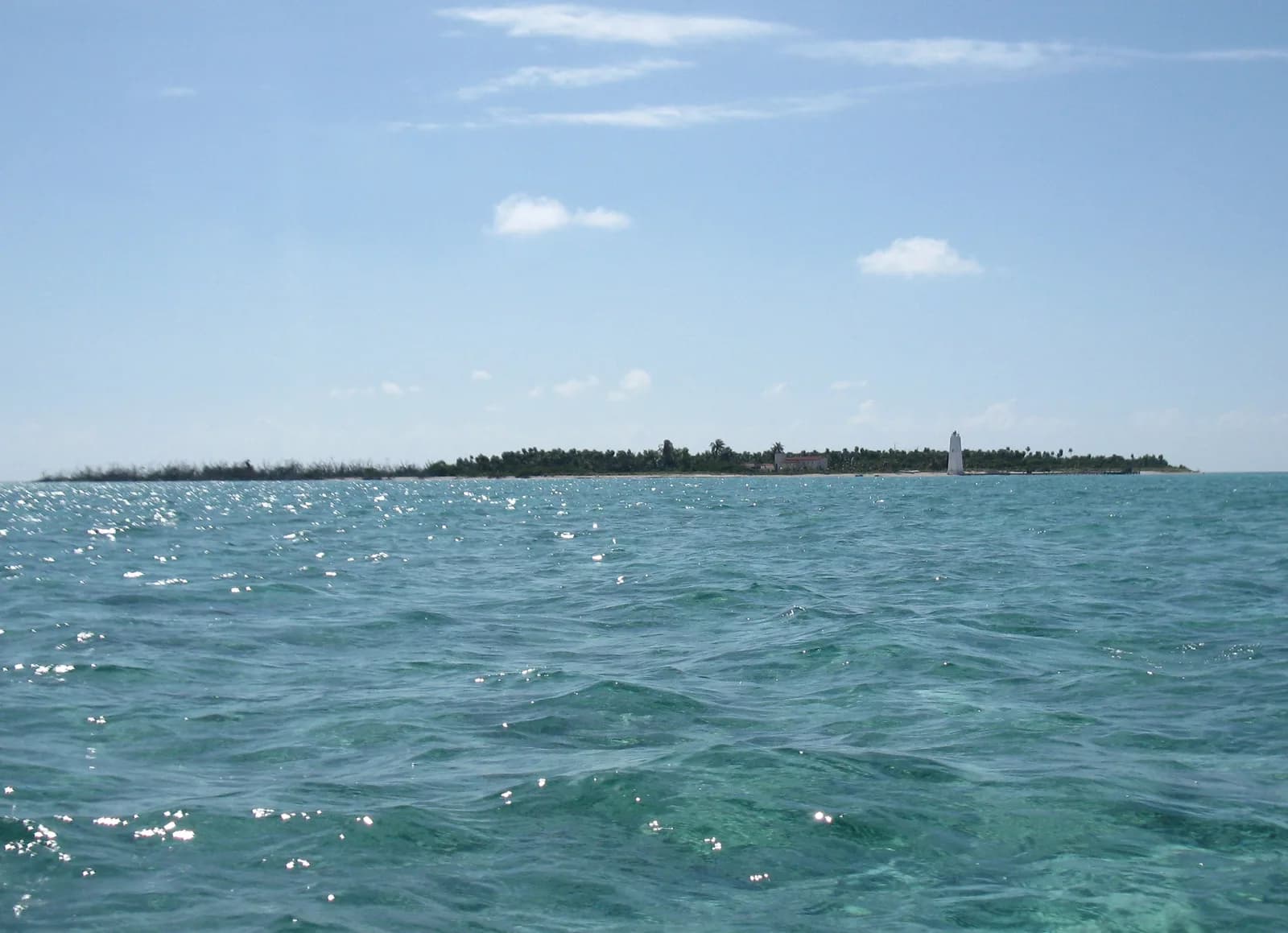
Banco Chinchorro is the largest coral atoll in the northern hemisphere, a ring of reef roughly 35 km off the coast between Mahahual and Xcalak, protected as a biosphere reserve since 1996. Because it sits that far out, it gets a fraction of the pressure the mainland reef takes, and the difference shows. Recent snorkellers report black tip sharks, eagle rays, turtles, big groupers and barracuda at the shallow sites operators call the Aquarium, plus nurse sharks resting under coral heads.
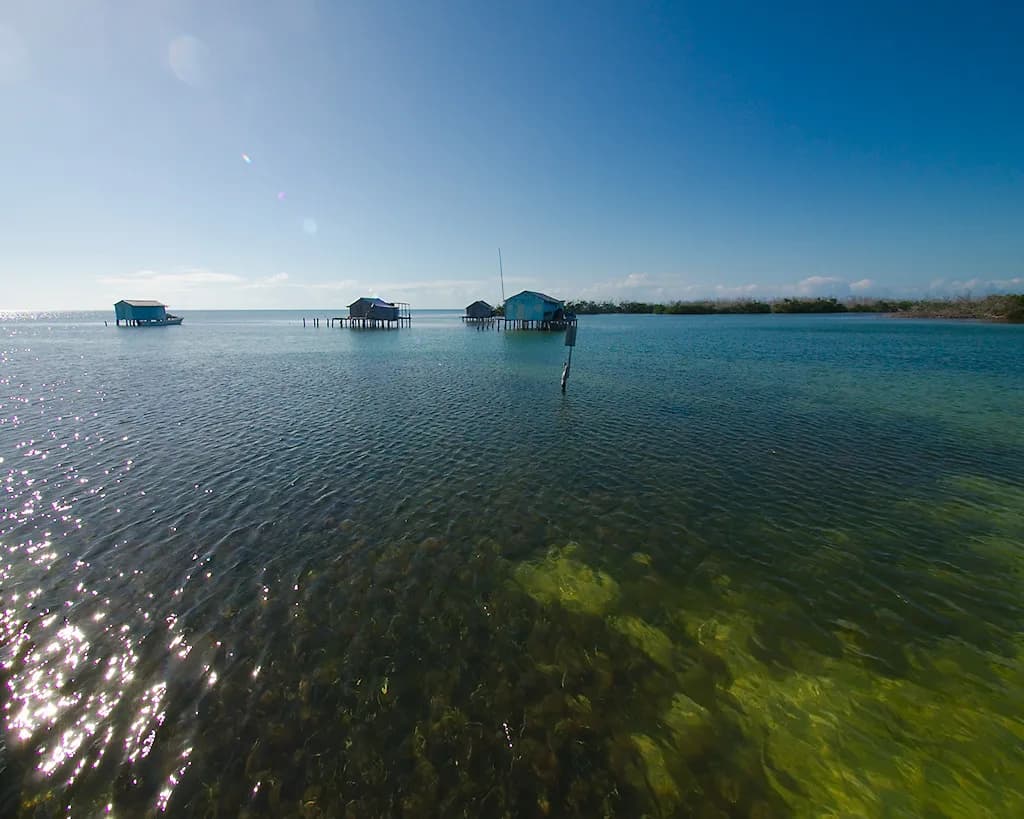
Three low cays break the surface: Cayo Norte, Cayo Centro and Cayo Lobos. Cayo Centro has a small community of fishermen living in stilt huts over the water, a colony of oversized iguanas, and the reserve's most famous residents: a population of more than 400 American crocodiles in the mangroves. Most tours stop at Cayo Centro between water sessions, and seeing crocodiles from the boat or dock is a standard part of the day.
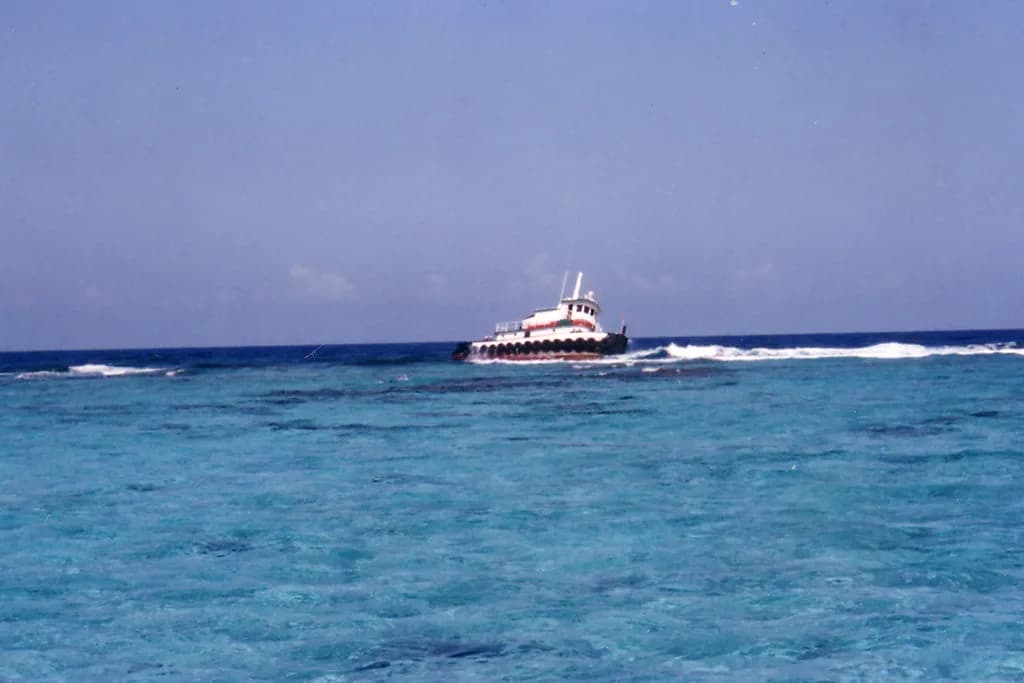
Then there are the wrecks. The atoll sits barely below the surface in places, and it has been collecting ships for centuries, around 70 wrecks by most counts. The best known is 40 Cannons, the remains of a 17th-century Dutch ship in 3 to 4 metres of water. Sixteen of the original forty cannons are still on the sand. The rest were looted, which is why the reserve banned wreck diving, a detail that matters more than it sounds, as the next section explains.
Snorkel or dive?
This is the rare world-class site where snorkellers do not get the second-tier version of the day. Because wreck diving is banned in the reserve, 40 Cannons is snorkel-only, and it sits shallow enough that a surface swimmer sees the cannons and the giant anchor clearly. The Aquarium sites are similar: a few metres deep, calm inside the reef, dense with fish. If you snorkel confidently, you get the headline attractions of Chinchorro at the cheaper price.
Diving is still outstanding, just different. Two-tank trips work the outer walls and coral canyons, where the structure and the bigger pelagic life live, and divers consistently rate the coral health well above the mainland. Just go in knowing you will not descend on the famous wreck, so if the cannons are the reason you're going, book the snorkel trip even if you're certified.
The third option is the crocodiles. XTC Dive Center in Xcalak holds the only Mexican federal permit for in-water encounters with wild American crocodiles at Cayo Centro, a specialist multi-day expedition for photographers rather than a day-trip add-on. On a normal tour you watch them from the boat or the dock, which for most people is exactly close enough.
Operators and 2026 prices
There is no big-platform tour machine here. Chinchorro is run by a handful of local dive shops, you book direct on WhatsApp or in person, and the aggregator sites barely list it, though it is worth checking current Banco Chinchorro listings since availability changes. These are the operators that come up again and again in recent traveller reports, with published or recently reported prices. USD figures assume roughly 20 MXN to the dollar.
| Operator | Base | Trip | 2026 price |
|---|---|---|---|
| Pepe Dive | Mahahual | Snorkel, 2 stops | 2,700 MXN (2,500 cash) |
| Pepe Dive | Mahahual | 2 dives | 3,700 MXN (3,400 cash) |
| Pepe Dive | Mahahual | 2-day, 4 dives Chinchorro + Mahahual | 4,850 MXN |
| Amigos del Mar | Mahahual | Snorkel or 2 dives | quote direct; reviewers report similar rates |
| XTC Dive Center | Xcalak | Full-day snorkel + Cayo Centro | ~$185 USD |
| XTC Dive Center | Xcalak | 2-tank dive | ~$275 USD |
Pepe Dive Mahahual publishes its prices openly, which I respect, and its Chinchorro snorkel includes water, soft drinks and lunch on board, with the guides picking the two sites on the day from a list that includes the Aquarium and, in season, the wrecks. Amigos del Mar is the operator TripAdvisor reviewers rave about most for Chinchorro, with years of reviews praising the crew, including a February 2026 snorkel review calling the day expensive but exceptional, with black tips, turtles and rays. XTC in Xcalak is the specialist at the quiet end of the coast and the pick for divers.
Budget the extras too: every foreign visitor pays a 750 MXN environmental tax for the reserve, in cash on arrival (Mexican residents pay 375 MXN, kids under 12 are exempt), and cash promo prices only apply if you actually bring cash. All up, a snorkeller pays around 3,250 MXN (roughly $160 USD) for the day, and a diver closer to 4,150 MXN (roughly $210 USD).
The logistics that decide whether you actually go
Here is the part most posts skip, and it is the part that determines whether you see the atoll or spend three days waiting on the Malecón.
First, the minimum group. Pepe Dive needs 8 snorkellers before a boat goes out. XTC needs 6 divers or 8 snorkellers. Boats do not run daily, so in quieter months you may be waiting for a group to assemble around you. This is the strongest argument for basing in Mahahual, where there are simply more travellers to fill a manifest, and for putting your name down the day you arrive.
Second, the weather. The crossing is 1.5 to 2 hours each way across open ocean, and operators cancel on short notice whenever the wind makes it unsafe. Recent travellers on the Mahahual TripAdvisor forum consistently report day-of cancellations. Nobody is being flaky; it is a small boat a long way from shore. The deposit, typically 500 MXN per person, is refundable when the operator cancels for weather.
Third, the shape of the day. Departure is around 8:00 AM, the return lands between 3 and 4 PM, and lunch happens on board or at the stilt huts of Cayo Centro. If you get seasick, take something before boarding, because two hours of open-water chop is the price of admission. And carry cash for the environmental tax and the discount price, since Mahahual's ATMs are few and temperamental, a warning that also appears in my Mahahual guide.
The practical rule that falls out of all this: never plan Chinchorro for your last day. Book it for your first, and let the spare days absorb a cancellation.
Day trip from Mahahual, or base in Xcalak?
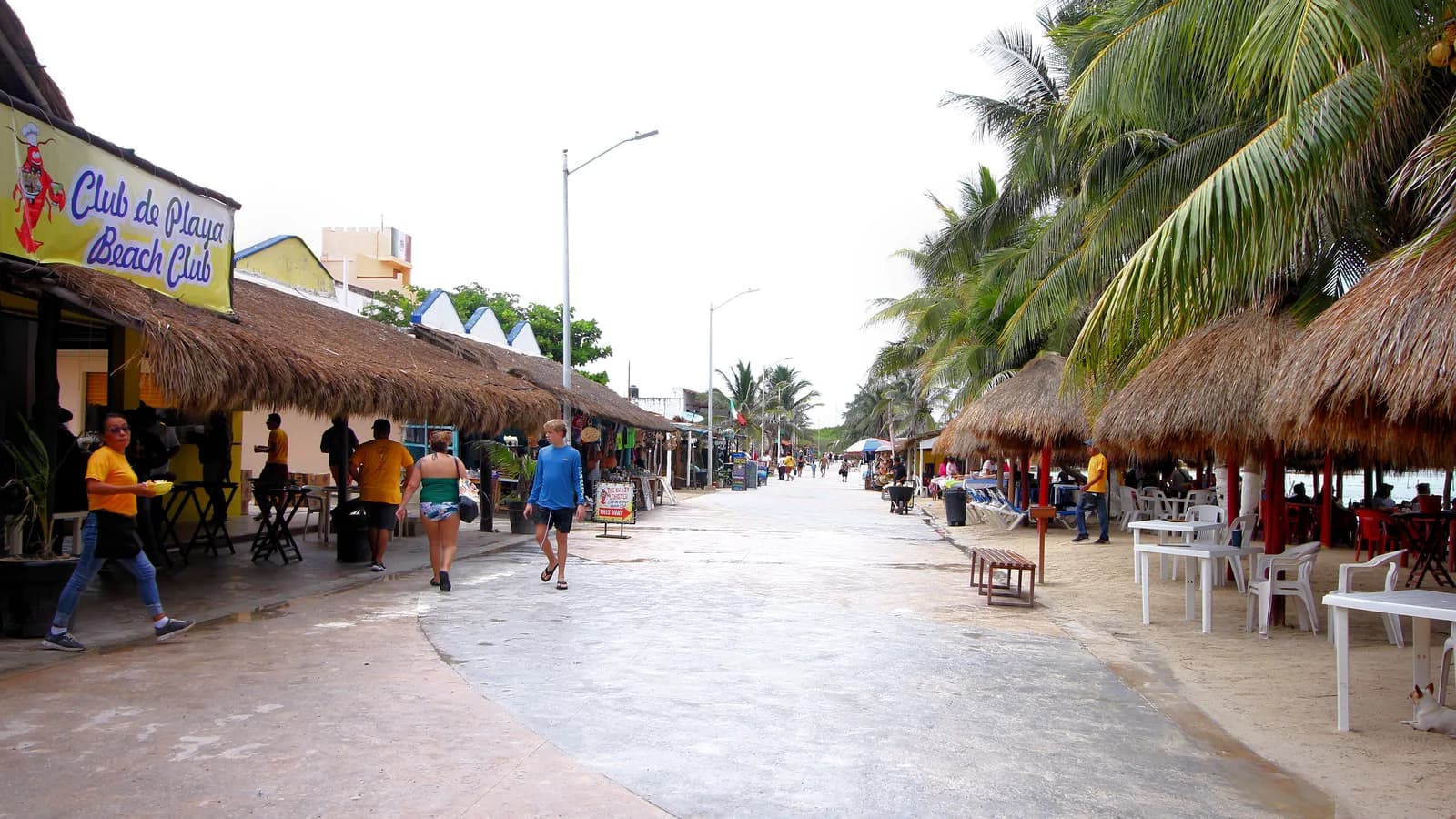
Most people should do this as a day trip from Mahahual. The town has multiple operators running the route, enough traveller traffic to fill the 8-person minimum, restaurants and beach clubs for the days around the trip, and a reef right off the beach to keep you in the water while you wait on the weather. Where you sleep in town matters more than you'd think; the where to stay in Mahahual guide breaks down the Malecón versus the quieter ends.
Xcalak is the other door to the atoll, an end-of-the-road fishing village an hour south of Mahahual on the Belize border, with sand streets, a few dozen residents' worth of services and one serious dive operation. Base there if Chinchorro and the Xcalak reef are the entire point of your trip: XTC's 6-diver minimum is easier to hit than a snorkel manifest, the national marine park on the doorstep is excellent diving in its own right, and the isolation is the feature. Base in Mahahual if you want any nightlife, more than a couple of restaurant options, or a fallback plan when the boat doesn't run.
Where to stay: Mahahual and Xcalak options
The right base depends on how much remoteness you can enjoy for how many days. These are the four zones worth comparing, from most connected to most isolated.
Stay on the Mahahual Malecón and town centre if you want to walk to Pepe Dive and Amigos del Mar, book in person, and roll out of bed for an 8:00 AM departure. It is the practical Chinchorro base and the best spot for solo travellers hoping to join a group. The trade-off is cruise-day noise. Move to the South Beach Road (Camino Costero) for quiet boutique and eco stays a short drive from town, the compromise pick for couples who want calm nights but town access for the trip itself. Go to Xcalak village to be walking distance from XTC's dock in a genuinely off-grid fishing town, the diver's choice. And pick the beach road north of Xcalak for the small lodges that make this coast special: Costa de Cocos, a long-running fly-fishing and diving lodge with its own dive shop and house-brewed beer on tap; Sin Duda Villas, a quirky family-run spot about 8 km up a dirt road where recent guests rate the snorkelling straight off the beach among the best they've done anywhere; and Playa Sonrisa, a small beachfront resort with a pool and included breakfast for travellers who want remote without rustic.
Quick picks: first-timers, the Mahahual Malecón, close to the operators and the fallback reef. Budget travellers, Mahahual town centre guesthouses. Divers and anglers, Costa de Cocos or Xcalak village. Couples wanting quiet, the South Beach Road or Playa Sonrisa.
Getting there and when to go
Getting to the coast is its own project. The closest airport is Chetumal (CTM), about two hours from Mahahual, with buses connecting via the Chetumal terminal; from Cancún there is no direct bus, so you connect through Playa del Carmen. Xcalak is another hour south of Mahahual on a paved but empty road, realistically a rental-car destination. Most travellers pair this coast with Bacalar, 1.5 to 2 hours inland, and the things to do in Bacalar and where to stay in Bacalar guides cover that leg, with the Mérida to Bacalar guide mapping the longer overland route in.
Timing is the difference between a trip and a refund. November to April is the dry season, with the calmest seas, the clearest water and the fewest cancellations; it is the window I would aim for, and it books out, so reserve ahead. February and March can bring strong wind (the same wind that powers Mahahual's kite season), which occasionally scrubs crossings even in high season. May to October is hotter, wetter and inside hurricane season, with more cancelled boats; the sargassum that plagues mainland beaches in those months matters less 35 km offshore, but the crossings get rougher. Whatever the season, the atoll itself usually has better visibility than the coast.
Recommendations
The short version of everything above, in booking order:
- Book Chinchorro on your first day in town and keep at least one buffer day for weather.
- Bring cash: the 750 MXN environmental tax, the deposit and the discounted trip prices are all cash affairs.
- If the 40 Cannons wreck is your reason for going, book the snorkel trip; the site is snorkel-only even for certified divers.
- Solo traveller? Base in Mahahual, where the 8-person minimum fills fastest, and ask operators which day already has a group forming.
- Divers should compare Pepe Dive's 2-day, 4-dive package (4,850 MXN) against two separate day trips; it is the better deal if the weather holds.
- Take seasickness tablets before the 8:00 AM departure, not on the boat.
- Aim for November to April, and treat a February or March booking as slightly riskier for wind.
- Do not attempt this on a Costa Maya cruise day; the 8 AM to 4 PM shape of the trip does not fit a ship schedule.
- If you base in Xcalak, stock up in Mahahual or Chetumal first; the village has minimal supplies.
Final note
I'll say the quiet part plainly: this is a trip I researched hard and haven't yet done, and everything here comes from operator listings and recent traveller reports rather than my own logbook. The pattern in those reports is unambiguous, though. The people who plan around the minimum group and the weather come home calling Chinchorro the best day of their trip, and the people who leave it to their last morning often don't go at all. If you've made the crossing recently and prices or minimums have moved, tell me and I'll update this. For the rest of the trip, the things to do in Mahahual guide covers the town and the house reef, where to stay in Mahahual sorts the zones, and if you're deciding whether the lagoon inland deserves your remaining days, start with is Bacalar worth it.
Frequently asked
Is the Banco Chinchorro tour worth it?
For confident snorkellers and divers, yes. It is the trip travellers most often call the best day of their Costa Maya stay, and a February 2026 reviewer summed it up as expensive but exceptional. It is the largest coral atoll in the northern hemisphere, with shark, ray, turtle and grouper sightings that the mainland reef cannot match. The catch is logistics: a 1.5 to 2 hour open-water crossing, weather cancellations, and a minimum group size, so it only works if you build buffer days around it.
How much does a Banco Chinchorro tour cost from Mahahual?
For 2026, Pepe Dive charges 2,700 MXN for a two-stop snorkel trip (2,500 MXN cash) and 3,700 MXN for two dives (3,400 MXN cash). From Xcalak, XTC Dive Center runs a full-day snorkel for about $185 USD and a two-tank dive for about $275 USD. On top of every trip, foreign visitors pay a 750 MXN environmental tax in cash at the reserve, and most operators take a deposit of around 500 MXN per person to hold a seat.
Can you snorkel Banco Chinchorro or is it only for divers?
Snorkellers arguably get the best of it. The shallow 'Aquarium' sites sit in a few metres of clear water, and the famous 40 Cannons shipwreck is snorkel-only: wreck diving is banned in the reserve after 24 of the original 40 cannons were looted, so divers cannot descend on it anyway. Diving is still excellent for coral walls and bigger fish, but this is one of the few world-class sites where the headline attraction belongs to snorkellers.
Why do Banco Chinchorro trips get cancelled so often?
Two reasons: weather and numbers. The atoll is roughly 35 km offshore across open ocean, so operators cancel on short notice whenever wind makes the crossing unsafe. Trips also need a minimum group, around 8 snorkellers with Pepe Dive in Mahahual, or 6 divers with XTC in Xcalak, and boats do not go out daily. Book on the first day of your stay and keep one or two spare days in case the first attempt blows out.
When is the best time to visit Banco Chinchorro?
November to April, the dry season, brings the calmest seas, the best visibility and the fewest cancellations. February and March can be windy on this coast, which occasionally scrubs crossings even in high season. May to October is hotter, wetter and inside hurricane season, and while sargassum mostly affects mainland beaches rather than the atoll, rough summer seas cancel more trips.
Can you do Banco Chinchorro on a Costa Maya cruise day?
Realistically, no. Trips leave Mahahual around 8:00 AM and return between 3 and 4 PM, and they cancel or shift for weather without warning, which is a bad match for a ship's all-aboard time. Cruise passengers are better off snorkelling the reef just off the Malecón. Chinchorro is a trip for travellers staying in Mahahual or Xcalak at least three nights.
Should I stay in Mahahual or Xcalak for Banco Chinchorro?
Mahahual for most people: more operators, more fellow travellers to fill the 8-person minimum, and a real town to come back to. Xcalak suits divers making Chinchorro the centrepiece of the trip, since XTC Dive Center runs trips with a 6-diver minimum and holds the only federal permit for in-water crocodile encounters. Lodges like Costa de Cocos, Sin Duda Villas and Playa Sonrisa make the remoteness part of the appeal.